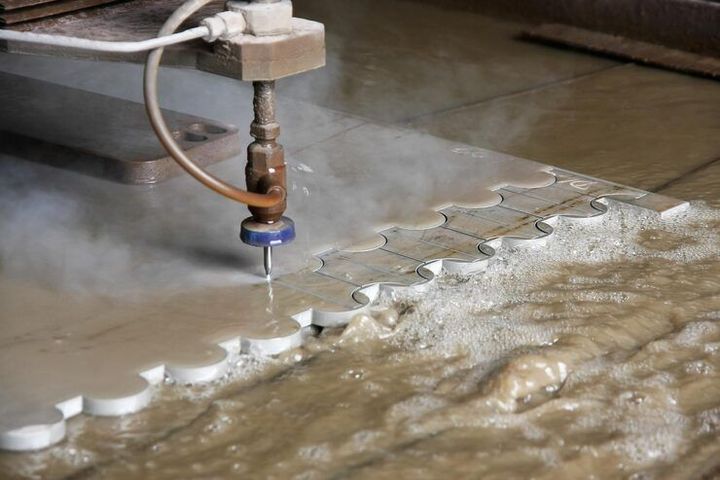
Unlike traditional cutting methods, water jet technology does not generate high temperatures. This makes it ideal for materials that can be damaged by heat, such as plastics, rubber, and certain metals. From industrial manufacturing to artistic design, water jet cutting machines play an important role in modern production.
Understanding the Concept
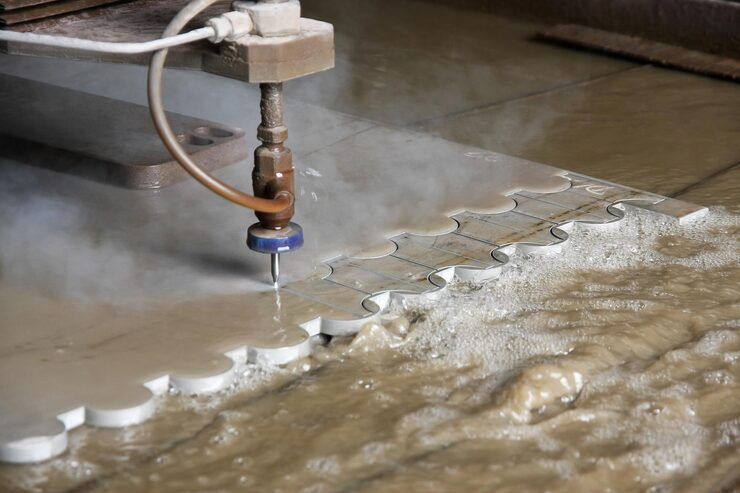
At its core, a water jet cutter uses a very strong stream of water to cut through materials. The water is pressurized to extremely high levels, often up to 60,000 PSI or more. This pressure allows the water to act like a sharp cutting tool.
When abrasive materials such as garnet are mixed with the water, the cutting power increases significantly. This combination can slice through thick metals, stone, glass, and more.
A cnc water jet cutter takes this process further by using computer control. CNC stands for Computer Numerical Control. It allows precise movement and accurate cutting based on digital designs. This means complex shapes and patterns can be created with ease.
Key Types or Categories
Pure Water Jet Cutting
This type uses only water without abrasives. It is best for soft materials such as:
-
Foam
-
Rubber
-
Food products
-
Paper
It is commonly used in industries where clean and smooth cuts are required without damaging the material.
Abrasive Water Jet Cutting
This method mixes abrasive particles with water. It is used for harder materials such as:
-
Steel
-
Aluminum
-
Glass
-
Stone
The abrasive particles help increase the cutting force, making it suitable for tough applications.
CNC Water Jet Cutting Machine
A cnc water jet cutting machine uses computer programming to control the cutting process. It ensures high precision and repeatability.
This type is widely used in:
-
Manufacturing industries
-
Automotive parts production
-
Aerospace components
Portable Water Jet Cutter
These machines are smaller and can be moved easily. They are useful for on-site work where large machines cannot be used.
Important Subsections
Pressure System
The pressure system is the heart of water jet cutting machines. It generates the high-pressure water stream needed for cutting. Without this system, the machine cannot function effectively.
Cutting Head
The cutting head focuses the water stream into a narrow jet. This allows precise cutting and detailed work.
Abrasive Delivery System
In abrasive cutting, this system controls the flow of abrasive particles into the water stream. Proper control ensures consistent cutting quality.
Control Panel
In a cnc water jet cutter, the control panel allows operators to input designs and manage machine movement. It acts as the brain of the machine.
How It Works
The working process of a water jet cutter can be explained in simple steps:
-
Water Pressurization
Water is pumped into the system and pressurized to very high levels using a specialized pump.
-
Abrasive Mixing (if needed)
If cutting hard materials, abrasive particles are added to the water stream.
-
Jet Formation
The pressurized water passes through a small nozzle, forming a high-speed jet.
-
Material Cutting
The jet is directed onto the material surface. The force of the water cuts through the material.
-
CNC Control (for automated systems)
In a cnc water jet cutting machine, the movement of the jet is controlled by a computer. This ensures accurate shapes and patterns.
-
Waste Removal
The cut material and water are collected and removed safely.
This process is efficient, clean, and suitable for many different materials.
Benefits and Advantages
Water jet cutting machines provide several practical benefits:
-
No Heat Damage
Since no heat is involved, materials do not warp or lose strength.
-
High Precision
A cnc water jet cutter can create very detailed and accurate cuts.
-
Versatility
These machines can cut a wide variety of materials, from soft foam to hard steel.
-
Smooth Edges
The cuts are clean and often do not require additional finishing.
-
Environmentally Friendly
Water is the main cutting element, making the process cleaner compared to other methods.
-
Minimal Material Waste
The narrow cutting stream reduces material loss.
Real-World Examples or Applications
Water jet cutting machines are used in many industries and everyday applications:
-
Automotive Industry
Used to cut metal parts, gaskets, and interior components.
-
Aerospace Industry
Helps create precise parts from strong materials without damaging them.
-
Construction and Architecture
Used for cutting stone, tiles, and glass for buildings and designs.
-
Manufacturing Units
Produces machine parts and custom components.
-
Art and Design
Artists use water jet cutters to create detailed patterns in metal and stone.
-
Food Industry
Pure water jets are used to cut food items like cakes and frozen products cleanly.
For example, a cnc water jet cutting machine can be used to create intricate metal designs for decorative panels. The same technology can also be used to cut strong steel parts for industrial equipment.
Important Factors to Understand
Before working with water jet cutting machines, it is helpful to understand some key factors:
Material Type
Different materials require different cutting settings. Soft materials need less pressure, while hard materials require abrasive cutting.
Thickness of Material
Thicker materials need more cutting time and higher pressure.
Nozzle Condition
A worn-out nozzle can affect cutting accuracy and efficiency.
Water Quality
Clean water helps maintain machine performance and prevents damage.
Speed vs Accuracy
Faster cutting speeds may reduce precision. Finding the right balance is important.
Maintenance
Regular inspection of components like pumps and cutting heads ensures smooth operation.
Future Trends and Industry Insights
Water jet cutting technology continues to evolve with new advancements:
-
Improved CNC Systems
Future cnc water jet cutters will offer even better accuracy and automation.
-
Smart Monitoring
Machines may include sensors to monitor performance and detect issues early.
-
Energy Efficiency
New designs aim to reduce energy use while maintaining cutting power.
-
Advanced Materials Handling
Systems are being developed to handle more complex and delicate materials.
-
Integration with Digital Design
Modern machines can directly use digital files, making production faster and more efficient.
As industries continue to demand precision and flexibility, water jet cutting machines are expected to become even more important.
Conclusion
Water jet cutting machines are versatile and powerful tools used across many industries. They use high-pressure water, sometimes mixed with abrasives, to cut materials with precision and without heat damage.
From simple cutting tasks to complex industrial applications, these machines provide reliable and efficient results. A cnc water jet cutting machine adds advanced control, making it possible to create detailed designs and consistent outputs.
Understanding how a water jet cutter works, its types, and its benefits helps in appreciating its value in modern manufacturing and design. As technology continues to improve, water jet cutting machines will remain a key part of industrial innovation.