Industrial robot arms are widely used in factories to handle tasks that are repetitive, complex, or require high precision. From assembling products to packaging items, they play a key role in modern production lines. As industries move toward smarter systems, robotic automation solutions are becoming a central part of growth and efficiency.
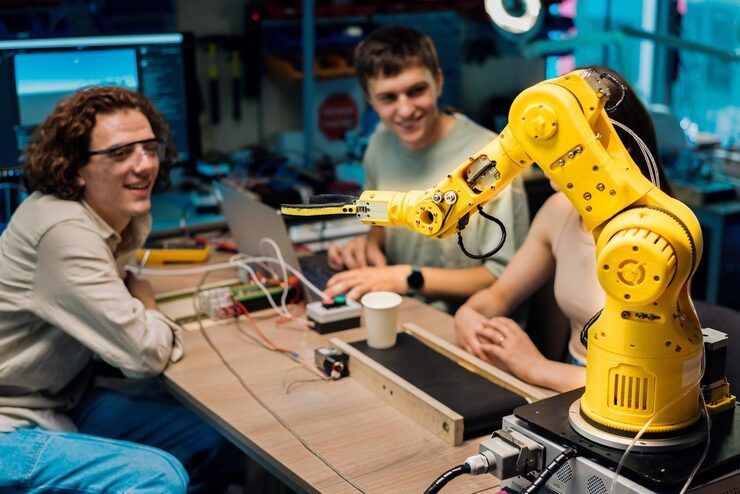
Understanding how these systems work can help businesses and individuals see their value and potential.
Understanding the Concept
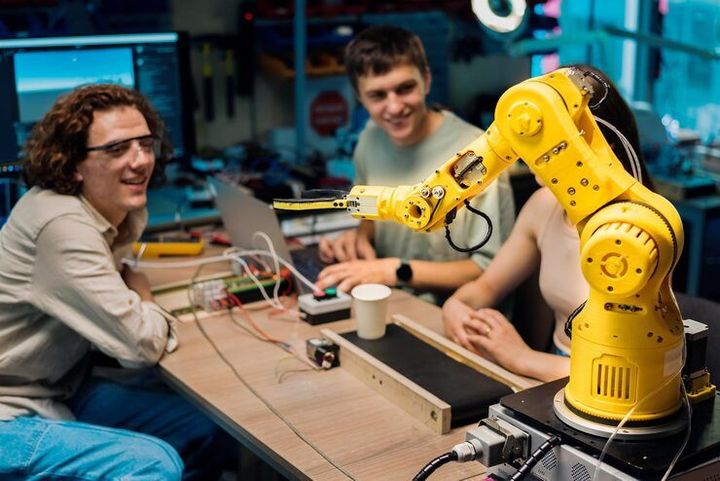
A robotic arm is a programmable mechanical device designed to mimic the movement of a human arm. It can move in different directions and perform tasks like lifting, rotating, welding, or assembling.
Industrial robot arms are built with multiple joints, allowing flexible movement. These joints work together to give the arm a wide range of motion. The arm is controlled by a system that sends instructions based on programmed commands.
Key components of a robotic arm include:
-
Base: The foundation that supports the arm
-
Joints: Provide movement and flexibility
-
End effector: The tool attached at the end, such as a gripper or welder
-
Controller: The system that guides movements
CNC robotic arm automation combines robotic arms with computer-controlled systems. This allows precise and repeatable operations, especially in machining and production processes.
Key Types or Categories
Different industries require different types of robotic arms. Each type is designed for specific tasks and environments.
Articulated Robotic Arms
These are the most common types. They have multiple joints and resemble a human arm. They are flexible and can handle complex movements.
SCARA Robots
SCARA stands for Selective Compliance Assembly Robot Arm. These are ideal for assembly tasks and high-speed operations.
Cartesian Robots
These move in straight lines along X, Y, and Z axes. They are used for simple and precise tasks like pick-and-place operations.
Delta Robots
These are lightweight and fast. They are commonly used in packaging and food processing industries.
Collaborative Robots
Also known as cobots, these are designed to work alongside humans. They are equipped with sensors to ensure safety and smooth interaction.
Important Subsections
Role of Robotic Arm Manufacturers
Robotic arm manufacturers design and develop machines for various industrial needs. They focus on precision, durability, and efficiency. Their innovations help industries adopt advanced automation systems.
Importance of Robotic Arm Integration Services
For a robotic arm to function properly, it must be integrated into the existing production system. Robotic arm integration services ensure that the machine works smoothly with other equipment. This includes setup, calibration, and programming.
Use of Robotic Automation Solutions
Robotic automation solutions bring together hardware and control systems to create efficient workflows. These solutions help industries streamline operations and improve output quality.
How It Works
Understanding how robotic arms operate can make the concept easier to grasp.
Here is a simple step-by-step explanation:
-
Task Programming
The required task is defined and programmed into the controller.
-
Signal Processing
The controller processes instructions and sends signals to the arm.
-
Movement Execution
Motors and joints move according to the programmed commands.
-
Tool Operation
The end effector performs the task, such as gripping or welding.
-
Feedback System
Sensors monitor the operation and adjust movements if needed.
For example, in CNC robotic arm automation, the arm follows precise instructions to cut or shape materials. The process is highly accurate and repeatable.
Benefits and Advantages
The use of robotic arms in manufacturing offers many practical advantages.
Improved Efficiency
Robotic arms can work continuously without fatigue. This increases production speed and reduces downtime.
High Precision
These machines perform tasks with great accuracy. This is especially useful in industries like electronics and automotive.
Consistent Quality
Robotic systems reduce human error. This ensures that each product meets the same quality standards.
Enhanced Safety
Dangerous tasks can be handled by machines instead of humans. This reduces the risk of workplace accidents.
Flexibility
Modern robotic arms can be reprogrammed for different tasks. This makes them suitable for various production needs.
Reduced Waste
Precise operations lead to minimal material waste. This improves overall efficiency.
Real-World Examples or Applications
Robotic arms are used in many industries. Here are some common applications:
Automotive Industry
-
Welding car parts
-
Painting vehicle bodies
-
Assembling components
Electronics Manufacturing
-
Placing small components on circuit boards
-
Testing electronic devices
-
Handling delicate parts
Food Processing
-
Sorting and packaging products
-
Handling raw materials
-
Ensuring hygiene standards
Metal and Machinery
-
Cutting and shaping materials
-
CNC robotic arm automation for precision tasks
-
Loading and unloading machines
Warehousing and Logistics
-
Sorting packages
-
Palletizing goods
-
Managing inventory movement
These examples show how robotic arms improve speed and accuracy across industries.
Important Factors to Understand
Before implementing robotic arms, several factors should be considered.
Task Requirements
Different tasks require different types of robotic arms. It is important to choose the right system for the job.
Workspace Design
The layout of the production area must support smooth movement of robotic arms.
Maintenance Needs
Regular maintenance ensures long-term performance and reliability.
Skill and Training
Operators need basic knowledge to manage and monitor robotic systems effectively.
Integration Challenges
Proper coordination with existing machines is essential. This is where robotic arm integration services play a key role.
Scalability
The system should be able to adapt to future production needs.
Future Trends and Industry Insights
The future of robotic arms in manufacturing looks promising. New technologies are making these systems more advanced and accessible.
Smart Automation
Robotic automation solutions are becoming smarter with the use of sensors and data analysis. This allows better decision-making during operations.
Artificial Intelligence Integration
AI helps robotic arms learn and adapt to new tasks. This improves efficiency and flexibility.
Human-Robot Collaboration
Collaborative robots are becoming more common. They work safely alongside humans, improving productivity.
Advanced Materials and Design
Robotic arm manufacturers are developing lighter and stronger materials. This enhances performance and durability.
Remote Monitoring
Modern systems allow monitoring and control from different locations. This improves operational management.
Increased Customization
Industries can now design robotic systems tailored to specific needs. This increases efficiency and usability.
Conclusion
Robot arms have become an essential part of modern manufacturing. They improve efficiency, ensure consistent quality, and enhance safety in production environments.
From simple assembly tasks to complex CNC robotic arm automation, these systems are transforming industries. With the support of robotic arm manufacturers and effective robotic arm integration services, businesses can build efficient production systems.
As technology continues to evolve, robotic automation solutions will become even more advanced. Industries that adopt these innovations will be better prepared for future challenges and opportunities.
Understanding how robotic arms work and where they can be applied is the first step toward smarter and more efficient manufacturing.