Plasma Cutting Machines: Complete Guide to Types and Working
Plasma cutting machines are widely used tools in modern metal fabrication. They help cut metal quickly, accurately, and with clean edges. From small workshops to large industrial units, these machines play an important role in shaping metal parts used in everyday products.
Understanding how plasma cutting works can help you choose the right method for different tasks. Whether you are working with steel, aluminum, or other conductive metals, this guide explains everything in a simple and practical way.
Understanding the Concept
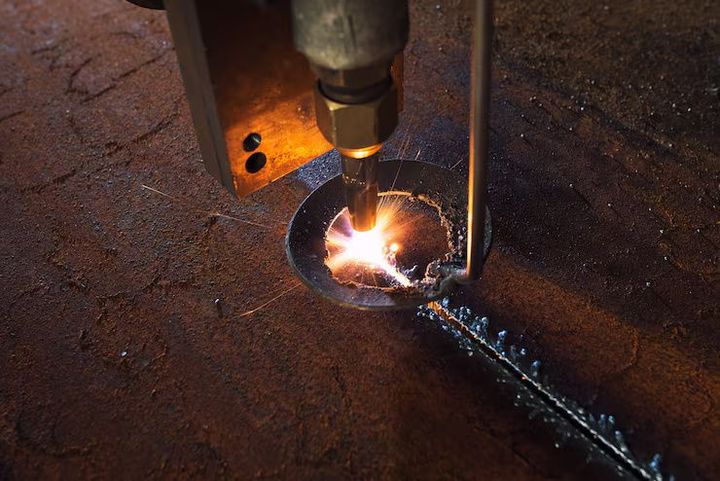
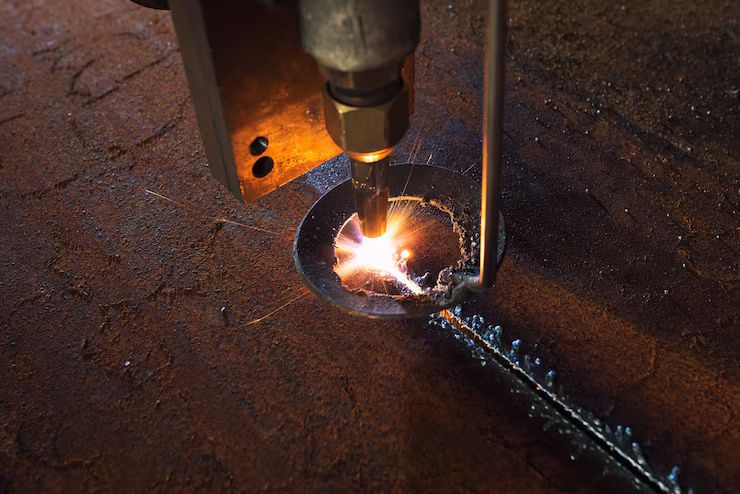
Plasma cutting is a process that uses a high-speed jet of hot plasma to cut through metal. Plasma is often called the fourth state of matter. It is created when gas is heated to a very high temperature and becomes electrically charged.
In simple terms, a plasma cutting machine uses electricity and compressed gas to create a powerful stream that melts metal and blows it away from the cut area.
Key idea in simple words:
- Gas + electricity = plasma arc
- Plasma arc = intense heat
- Heat melts metal and creates a cut
This method is popular because it is faster and more precise than many traditional cutting techniques.
Key Types or Categories
There are several types of plasma cutting machines designed for different levels of work. Each type has its own advantages depending on the application.
Manual Plasma Cutting Machines
These are handheld tools operated by a person.
Key features:
- Easy to use
- Suitable for small tasks
- Ideal for repair work and light fabrication
Example:
A technician cutting a metal pipe on-site using a handheld torch.
CNC Plasma Cutting Machine
A CNC plasma cutting machine uses computer control to guide the cutting process.
Key features:
- High precision cutting
- Repeatable results
- Suitable for complex shapes
Example:
A factory producing identical metal parts using automated programming.
Automatic Plasma Cutting Machine
An automatic plasma cutting machine operates with minimal human involvement.
Key features:
- Consistent performance
- Efficient for large-scale work
- Reduced manual effort
Example:
Production lines where metal sheets are cut continuously without manual handling.
High Definition Plasma Cutting
High definition plasma cutting is an advanced version that provides extremely clean and accurate cuts.
Key features:
- Smooth edges
- Narrow cutting width
- High-quality finish
Example:
Industries where precision parts are required, such as automotive or aerospace components.
Important Subsections
Types of Gases Used
Different gases can be used in plasma cutting depending on the material:
- Air: Common and easy to use
- Oxygen: Suitable for steel
- Nitrogen: Good for stainless steel
- Argon mixtures: Used for high-quality cuts
Materials That Can Be Cut
Plasma cutting works only on conductive metals such as:
- Mild steel
- Stainless steel
- Aluminum
- Copper
How It Works
The working process of plasma cutting is simple when broken into steps.
Step-by-step explanation:
- Power supply generates electricity
- Gas flows through the torch
- An electric arc is created between electrode and metal
- Gas turns into plasma due to high heat
- Plasma jet melts the metal
- High-speed gas blows away molten metal
- A clean cut is formed
In a CNC plasma cutting machine, this entire process is controlled by programmed instructions, ensuring accuracy and repeatability.
Think of it like drawing on metal with a very hot and precise flame controlled by a machine.
Benefits and Advantages
Plasma cutting machines offer several practical benefits that make them popular across industries.
Speed and Efficiency
- Cuts metal faster than many traditional methods
- Saves time in production
Precision
- Clean and accurate cuts
- Ideal for detailed designs
Versatility
- Works on different metals
- Suitable for both thin and thick materials
Ease of Use
- Simple operation for beginners
- Advanced systems for complex tasks
Minimal Waste
- Narrow cutting path reduces material loss
Flexibility
- Can be used in workshops or industrial settings
- Portable options available
Real-World Examples or Applications
Plasma cutting is used in many industries and daily applications.
Manufacturing Industry
Factories use CNC plasma cutting machine systems to create machine parts, tools, and structural components.
Construction
Used to cut steel beams, pipes, and metal sheets for buildings and infrastructure.
Automotive Industry
High definition plasma cutting helps create precise vehicle parts with smooth edges.
Repair and Maintenance
Technicians use handheld machines for fixing metal structures or replacing damaged parts.
Artistic Metal Work
Artists use plasma cutting to create decorative metal designs, signs, and sculptures.
Example:
A metal artist creating custom wall art using detailed cutting patterns.
Important Factors to Understand
Before working with plasma cutting machines, it is important to understand a few key factors.
Material Thickness
- Different machines handle different thickness levels
- Choosing the right machine improves results
Power Requirements
- Higher power allows cutting thicker materials
- Ensure proper electrical setup
Safety Measures
Plasma cutting involves high heat and electricity, so safety is essential.
Basic precautions:
- Wear protective gloves and goggles
- Ensure proper ventilation
- Avoid direct contact with hot surfaces
Cutting Quality
Quality depends on:
- Machine settings
- Type of gas used
- Operator skill or programming accuracy
Maintenance
Regular maintenance helps keep the machine working efficiently.
Basic care includes:
- Checking torch condition
- Cleaning components
- Ensuring proper gas flow
Future Trends and Industry Insights
Plasma cutting technology continues to evolve with improvements in automation and precision.
Increased Automation
Automatic plasma cutting machine systems are becoming more advanced, reducing manual involvement and improving productivity.
Smart Integration
Machines are being integrated with digital systems for better control and monitoring.
Improved Precision
High definition plasma cutting continues to improve, offering near laser-like accuracy in some applications.
Energy Efficiency
Modern machines are designed to use energy more efficiently while maintaining performance.
Wider Accessibility
As technology advances, more industries and smaller workshops can adopt plasma cutting methods.
Conclusion
Plasma cutting machines are powerful tools that have transformed how metal is shaped and processed. By using a combination of heat, electricity, and gas, they provide fast, precise, and reliable cutting.
From manual tools to CNC plasma cutting machine systems and advanced high definition plasma cutting, each type serves a unique purpose. Whether used in construction, manufacturing, or creative work, these machines play a key role in modern industries.
Understanding how they work, their types, and their benefits helps in making better decisions and achieving better results in metal cutting tasks.