Today, industries rely heavily on industrial laser cutting machines to improve production quality and speed. Whether in automotive, electronics, or construction, laser cutting plays a key role in shaping parts and components. Understanding how these machines work can help you see why they are so important in today’s world.
Understanding the Concept
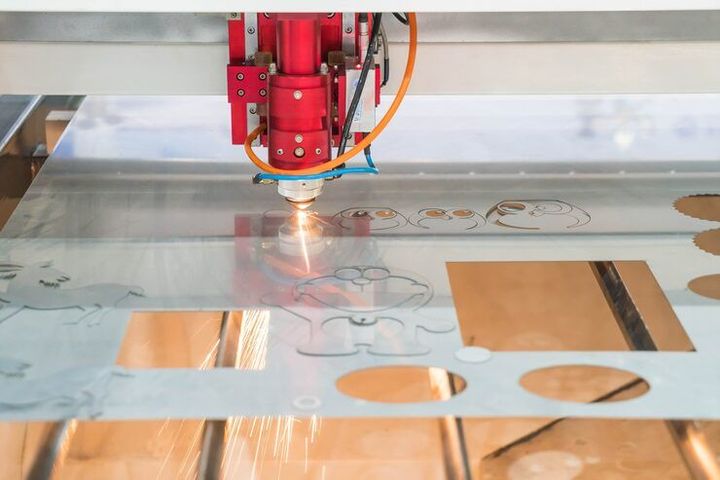
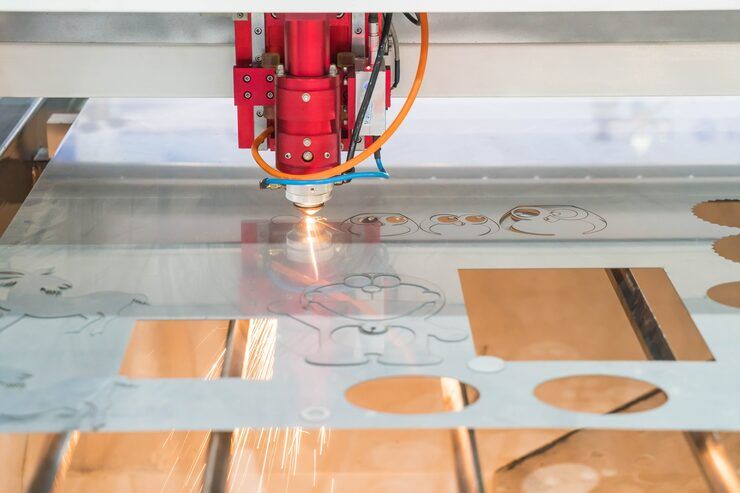
A laser cutting machine uses a powerful beam of light, called a laser, to cut through materials. The word "laser" stands for Light Amplification by Stimulated Emission of Radiation. In simple terms, it is a very focused and intense light beam.
This beam generates heat when it touches a surface. The heat is strong enough to melt, burn, or vaporize the material, creating a clean and precise cut. A CNC laser cutting machine uses computer control to guide the laser along a specific path, ensuring accuracy and consistency.
Think of it like drawing with a pencil, but instead of leaving marks, the machine cuts through the material exactly where needed.
Key Types or Categories
CO2 Laser Cutting Machines
These machines use carbon dioxide gas to produce the laser beam. They are commonly used for cutting non-metal materials like:
-
Wood
-
Acrylic
-
Plastic
-
Leather
They are also capable of cutting thin metals but are mainly preferred for softer materials.
Fiber Laser Cutting Machines
Fiber lasers use optical fibers to generate the laser beam. These machines are highly efficient and ideal for cutting metals such as:
-
Stainless steel
-
Aluminum
-
Brass
-
Copper
A high power laser cutting machine in this category can handle thick metal sheets with excellent speed and precision.
Crystal Laser Cutting Machines
These use crystals like Nd:YAG or Nd:YVO to produce the laser. They are powerful and can cut both metals and non-metals. However, they require more maintenance compared to other types.
Important Subsections
CNC Integration
A CNC laser cutting machine uses computer programming to control movement. Operators input a design file, and the machine follows it precisely. This reduces human error and improves repeatability.
Power Levels
Laser machines come with different power levels. Higher power means the ability to cut thicker and harder materials. For example, a high power laser cutting machine is often used in heavy industrial settings.
Cutting Methods
Laser cutting can happen in different ways:
-
Fusion Cutting: Melts material and uses gas to blow it away
-
Flame Cutting: Uses oxygen to increase heat for thicker materials
-
Sublimation Cutting: Turns material directly into vapor
Each method is used based on the material and desired finish.
How It Works
The working process of a laser cutting machine can be explained in simple steps:
-
Design Creation
A design is created using a computer-based tool. This design defines the shape and size of the cut.
-
Machine Setup
The material is placed on the cutting bed. The machine settings are adjusted based on material type and thickness.
-
Laser Generation
The machine generates a focused laser beam using its source (CO2, fiber, or crystal).
-
Beam Direction
Mirrors or fiber optics guide the laser beam to the cutting head.
-
Material Interaction
The laser hits the material and heats it to a very high temperature. The material melts or vaporizes.
-
Cut Formation
A gas jet removes molten material, leaving a clean cut edge.
-
Precision Control
The CNC system ensures the laser follows the exact design path.
This process happens very quickly and with high accuracy, making it suitable for both small and large-scale production.
Benefits and Advantages
Laser cutting machines provide several practical advantages:
-
High Precision
They produce extremely accurate cuts, even for complex shapes.
-
Clean Edges
Minimal roughness reduces the need for further finishing.
-
Fast Operation
Faster than many traditional cutting methods.
-
Material Versatility
Can cut metals, plastics, wood, and more.
-
Reduced Waste
Precise cutting minimizes material loss.
-
Automation Friendly
CNC systems allow easy integration into automated workflows.
-
Consistent Quality
Every cut follows the same pattern, ensuring uniform results.
These benefits make industrial laser cutting machines essential for modern manufacturing processes.
Real-World Examples or Applications
Laser cutting machines are used across many industries. Here are some common examples:
Automotive Industry
Used to cut metal parts like body panels, brackets, and engine components. Precision is important to ensure proper assembly.
Electronics Industry
Helps create small and detailed components such as circuit boards and enclosures.
Construction and Architecture
Used for cutting metal sheets, decorative panels, and structural elements.
Textile and Fashion
Laser cutting is used to create patterns on fabrics and leather products.
Signage and Advertising
Used to cut letters and shapes from acrylic and metal for signs and displays.
Aerospace Industry
High precision cutting is required for aircraft components where accuracy is critical.
For example, a CNC laser cutting machine can create identical parts repeatedly for an assembly line, saving time and improving consistency.
Important Factors to Understand
Before working with laser cutting machines, it is important to understand a few key factors:
Material Type
Different materials react differently to laser cutting. Metals require higher power compared to plastics or wood.
Thickness
Thicker materials need more powerful machines. A high power laser cutting machine is suitable for heavy-duty tasks.
Beam Quality
The quality of the laser beam affects the precision of the cut. A stable beam ensures better results.
Speed Settings
Cutting speed must be adjusted carefully. Too fast may result in incomplete cuts, while too slow can overheat the material.
Maintenance Needs
Regular cleaning and inspection help maintain performance and extend machine life.
Safety Measures
Laser machines produce intense heat and light. Proper safety practices, such as protective eyewear and controlled environments, are essential.
Future Trends and Industry Insights
Laser cutting technology continues to evolve. Some emerging trends include:
Increased Automation
More machines are being integrated with robotic systems for fully automated production lines.
Smart Manufacturing
Advanced sensors and data tracking help improve efficiency and reduce errors.
Energy Efficiency
New designs focus on reducing power consumption while maintaining performance.
Compact Machines
Smaller and more flexible machines are becoming popular for workshops and smaller facilities.
Improved Precision
Ongoing advancements allow even finer cuts for detailed applications.
As industries grow, the demand for advanced industrial laser cutting machines is expected to increase, especially in sectors requiring high precision and efficiency.
Conclusion
Laser cutting machines have transformed modern manufacturing by offering precision, speed, and versatility. From simple designs to complex industrial components, these machines handle a wide range of tasks with ease.
Understanding how a CNC laser cutting machine works, along with its types and applications, helps highlight its importance in today’s world. Whether it is a high power laser cutting machine used in heavy industries or a smaller system for detailed work, laser cutting continues to play a vital role in shaping products around us.
As technology advances, laser cutting machines will become even more efficient and widely used, making them a key part of future industrial development.