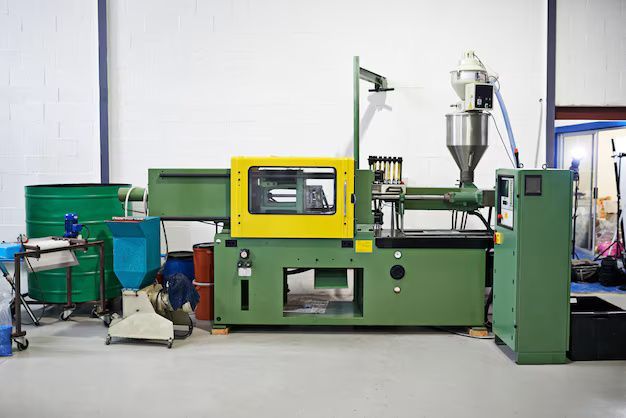
Injection Molding Machines Guide: Process, Materials, and Uses
Injection molding machines play a major role in modern manufacturing. They help create everyday plastic items that people use without even noticing. From water bottles to mobile phone covers, many products are made using this method.
This guide explains how injection molding machines work in a simple and clear way. It also explores materials, types, and real-world uses so that anyone can understand the basics without technical confusion.
Understanding the Concept
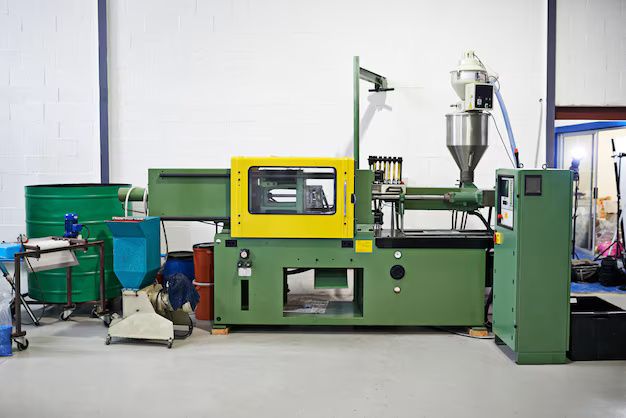
Injection molding is a process used to shape melted material, usually plastic, into a specific form. The material is heated until it becomes liquid. It is then injected into a mold, which is like a hollow shape. After cooling, the material becomes solid and takes the form of the mold.
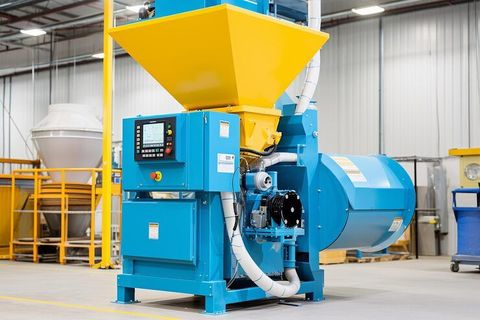
A plastic injection molding machine is designed to perform this process efficiently and repeatedly. It ensures that each product has the same shape, size, and quality.
To understand it simply, imagine pouring melted chocolate into a mold to make candy. Once it cools, it takes the mold’s shape. Injection molding works in a similar way but uses industrial-grade materials and machines.
Key Types or Categories
There are different types of injection molding machines designed for specific needs. Each type has its own advantages depending on the scale and complexity of production.
Hydraulic Injection Molding Machines
These machines use hydraulic pressure to operate. They are strong and reliable, making them suitable for large parts. However, they may consume more energy compared to newer technologies.
Electric Injection Molding Machines
Electric machines use motors instead of hydraulic systems. They are precise, energy-efficient, and cleaner in operation. These machines are often used when accuracy is very important.
Hybrid Injection Molding Machines
Hybrid machines combine hydraulic and electric systems. They aim to provide both power and efficiency. This makes them a balanced choice for many industries.
Mini Injection Molding Machine
A mini injection molding machine is designed for small-scale production or testing. It is compact and useful for creating prototypes or small plastic components. These machines are often used in workshops, research labs, and educational environments.
Important Subsections
Injection Unit
This part melts the plastic material and pushes it into the mold. It controls temperature and flow.
Clamping Unit
The clamping unit holds the mold tightly closed during the injection process. This ensures the material does not leak.
Mold
The mold is a custom-designed cavity that gives shape to the final product. It is usually made from metal and built with high precision.
Control System
Modern injection molding equipment includes digital controls. These systems help manage temperature, pressure, and timing for consistent results.
How It Works
The injection molding process follows a clear sequence of steps. Each step is important to achieve the desired result.
-
Material Preparation
Plastic pellets are loaded into the machine. These pellets are the raw material used to create the final product. -
Melting
The pellets are heated inside the injection unit until they melt into a liquid form. -
Injection
The molten plastic is injected into the mold under high pressure. This ensures the material fills every part of the mold. -
Cooling
The material cools inside the mold. As it cools, it hardens and takes the shape of the mold. -
Ejection
Once solidified, the finished part is removed from the mold. -
Repeat Cycle
The process repeats for the next item, allowing fast and consistent production.
This cycle can take just a few seconds to a few minutes depending on the product size and material.
Benefits and Advantages
Injection molding machines provide several practical advantages that make them widely used across industries.
-
High Efficiency
Large numbers of identical parts can be produced quickly. -
Consistency
Each product has the same shape and quality. -
Material Flexibility
A wide range of plastics and polymers can be used. -
Low Waste
Excess material can often be reused, reducing waste. -
Complex Designs
Detailed and intricate shapes can be created with precision. -
Automation Friendly
Modern injection molding equipment supports automated operations, reducing manual effort.
Real-World Examples or Applications
Injection molding machines are used in many industries. Here are some common examples:
Consumer Products
Items like plastic containers, kitchen tools, and toys are made using injection molding. For example, a toothbrush handle or a food storage box is often created using this process.
Automotive Industry
Car parts such as dashboards, bumpers, and interior panels are produced using injection molding machines. These parts need to be strong, lightweight, and consistent.
Medical Field
Medical devices like syringes, test kits, and small components are made using precise plastic injection molding machine setups. Clean and controlled production is important in this field.
Electronics
Mobile phone cases, connectors, and small electronic housings are created using injection molding. These products require high accuracy and smooth finishes.
Packaging
Packaging materials such as caps, lids, and containers are produced using injection molding equipment. These items are made in large quantities every day.
Important Factors to Understand
When working with injection molding machines, several key factors should be considered.
Material Selection
Different plastics have different properties. Some are flexible, while others are rigid. Choosing the right material is important for product performance.
Common materials include:
- Polypropylene (PP)
- Polyethylene (PE)
- Polystyrene (PS)
- ABS (Acrylonitrile Butadiene Styrene)
Mold Design
The design of the mold directly affects the final product. A well-designed mold ensures smooth production and reduces defects.
Temperature Control
Proper temperature control is essential for melting and cooling. Incorrect temperatures can lead to poor-quality products.
Cycle Time
Cycle time refers to how long it takes to produce one item. Shorter cycle times increase efficiency but must be balanced with quality.
Machine Size
The size of the machine should match the product requirements. A mini injection molding machine is ideal for small items, while larger machines are used for bigger parts.
Future Trends and Industry Insights
Injection molding technology continues to evolve with new innovations.
Smart Manufacturing
Modern machines are becoming more intelligent. They use sensors and data systems to monitor performance and improve efficiency.
Sustainable Materials
There is growing interest in eco-friendly plastics. Recycled and biodegradable materials are becoming more common in injection molding.
Energy Efficiency
Newer machines are designed to use less energy. Electric and hybrid models are gaining popularity due to their efficiency.
Customization and Flexibility
Manufacturers are focusing on flexible production systems. This allows quick changes in design and faster adaptation to market needs.
Advanced Automation
Robotics and automated systems are being integrated with injection molding machines. This improves speed, accuracy, and safety.
Conclusion
Injection molding machines are a key part of modern manufacturing. They make it possible to produce high-quality plastic products quickly and consistently. From small items made with a mini injection molding machine to large industrial components, this technology is used in many fields.
Understanding how a plastic injection molding machine works helps in appreciating the products used in daily life. With ongoing advancements in materials, efficiency, and automation, injection molding equipment will continue to shape the future of manufacturing.
This process is not just about machines and materials. It is about precision, innovation, and the ability to create useful products that meet real-world needs.