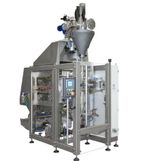
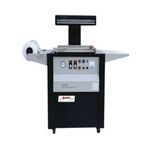
Today, industrial robotics systems are widely used in manufacturing, packaging, electronics, and even food processing. As industries aim for higher efficiency, industrial automation robots are becoming more common in both large and small setups.
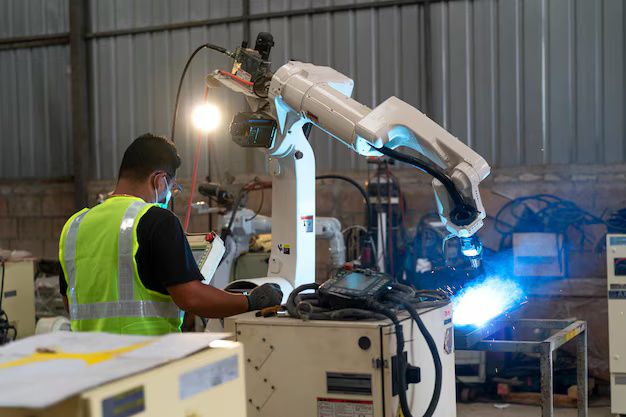
This guide explains what industrial robotics is, how it works, and where it is used. The goal is to make the topic simple and easy to understand for everyone.
Understanding the Concept
Industrial robotics refers to programmable machines designed to perform tasks automatically in industrial environments. These machines can move, lift, assemble, and inspect products with precision.
Unlike traditional machines, robots can adapt to different tasks with proper programming. This flexibility makes them suitable for many industries.
Industrial robotics systems often include:
-
Mechanical arms or moving parts
-
Sensors to detect objects or conditions
-
Controllers that guide actions
-
Interfaces for human interaction
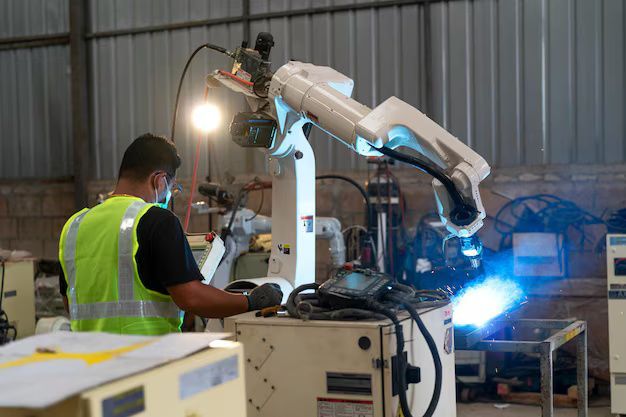
For example, in a car manufacturing unit, robots can weld parts together with perfect accuracy. This reduces errors and improves production quality.
CNC robotic automation is another important concept. It combines computer-controlled machines with robotic movement to perform tasks like cutting, drilling, and shaping materials.
Key Types or Categories
Industrial robots come in different types, each designed for specific tasks. Understanding these categories helps in choosing the right system for different operations.
1. Articulated Robots
These robots have rotating joints, similar to a human arm.
-
Commonly used in welding and assembly
-
Highly flexible and precise
-
Can handle complex movements
2. SCARA Robots
SCARA stands for Selective Compliance Assembly Robot Arm.
-
Best for pick-and-place tasks
-
Used in electronics and small component assembly
-
Fast and efficient for repetitive work
3. Cartesian Robots
These robots move in straight lines along X, Y, and Z axes.
-
Suitable for simple and linear tasks
-
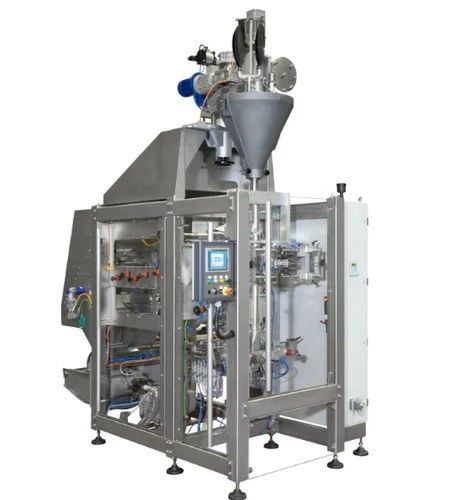
Used in packaging and material handling
-
Easy to program and maintain
4. Delta Robots
These robots are lightweight and very fast.
-
Used in food processing and packaging
-
Ideal for sorting and picking items quickly
5. Collaborative Robots (Cobots)
Cobots work alongside humans safely.
-
Designed with sensors to avoid collisions
-
Used in small-scale industrial automation robots setups
-
Easy to integrate into existing workflows
Important Subsections
End Effectors
These are tools attached to the robot arm.
-
Grippers for holding objects
-
Welding tools for joining materials
-
Suction cups for lifting items
Sensors and Vision Systems
Sensors help robots understand their environment.
-
Detect object position
-
Measure temperature or pressure
-
Enable quality checks
Controllers
Controllers act as the brain of the robot.
-
Process instructions
-
Coordinate movements
-
Ensure accuracy
How It Works
Industrial robotics works through a combination of programming, sensing, and mechanical movement. Here is a simple step-by-step explanation:
-
Task Programming
Engineers define what the robot needs to do. This includes movement paths and actions.
-
Input from Sensors
Sensors collect data from the environment. For example, they detect the position of an object.
-
Processing by Controller
The controller analyzes the data and decides the next action.
-
Execution of Movement
The robot performs the task using motors and joints.
-
Feedback and Adjustment
The system checks if the task is completed correctly and adjusts if needed.
In CNC robotic automation, this process is even more precise. The robot follows digital instructions to shape materials with exact measurements.
Benefits and Advantages
Industrial robotics offers many practical advantages that make it valuable in modern industries.
-
Improved Accuracy
Robots perform tasks with minimal errors, ensuring consistent results.
-
Higher Productivity
Machines can work continuously without fatigue.
-
Enhanced Safety
Robots handle dangerous tasks like welding or heavy lifting.
-
Better Quality Control
Sensors and vision systems detect defects quickly.
-
Flexibility
Industrial robot integration allows systems to adapt to new tasks.
-
Reduced Waste
Precise operations minimize material loss.
Smart factory robotics also plays a major role in creating connected production systems. These systems share data in real time, improving decision-making.
Real-World Examples or Applications
Industrial robotics is used across many industries. Here are some common examples:
Automotive Industry
-
Robots assemble car parts
-
Perform welding and painting
-
Ensure uniform quality
Electronics Manufacturing
-
Assemble small components
-
Handle delicate materials
-
Perform testing and inspection
Food Processing
-
Sort and package food items
-
Maintain hygiene standards
-
Handle repetitive tasks efficiently
Metal and Machinery
-
CNC robotic automation for cutting and shaping
-
Handling heavy materials
-
Precision machining
Warehousing and Logistics
-
Automated sorting systems
-
Robotic picking and packing
-
Inventory management
For example, in a smart factory robotics environment, machines communicate with each other. If one process slows down, others adjust automatically to maintain efficiency.
Important Factors to Understand
Before adopting industrial robotics systems, several important factors should be considered.
1. Task Requirements
-
Define the type of work
-
Determine precision and speed needs
2. Space and Layout
-
Ensure enough room for robot movement
-
Plan safe working areas
3. Integration with Existing Systems
Industrial robot integration should be smooth.
-
Connect with current machines
-
Ensure compatibility with workflows
4. Maintenance and Monitoring
-
Regular checks keep systems running efficiently
-
Monitoring helps detect issues early
5. Training and Skills
-
Operators should understand basic robot functions
-
Simple training improves efficiency and safety
6. Scalability
-
Systems should allow future expansion
-
Flexible setups support changing needs
Understanding these factors helps industries make better decisions when implementing automation.
Future Trends and Industry Insights
Industrial robotics is evolving rapidly with new technologies and ideas.
1. Artificial Intelligence Integration
Robots are becoming smarter.
-
Learn from data
-
Improve performance over time
2. Advanced Sensors
Better sensors improve accuracy.
-
Detect small defects
-
Enable real-time adjustments
3. Human-Robot Collaboration
Cobots are gaining popularity.
-
Work safely with humans
-
Increase efficiency in shared tasks
4. Smart Factory Robotics Expansion
Factories are becoming fully connected.
-
Machines communicate with each other
-
Data-driven decision-making improves productivity
5. Cloud-Based Monitoring
-
Remote monitoring of systems
-
Easy access to performance data
6. Energy Efficiency
Modern robots use less energy.
-
Reduce environmental impact
-
Improve sustainability
These trends show that industrial automation robots will continue to play a major role in shaping the future of industries.
Conclusion
Industrial robotics has become an essential part of modern production systems. From simple tasks to complex operations, robots improve efficiency, accuracy, and safety.
By understanding industrial robotics systems, businesses and individuals can better appreciate how automation works. Whether it is CNC robotic automation or smart factory robotics, these technologies are transforming industries worldwide.
As technology continues to evolve, industrial robot integration will become even more seamless and powerful. This makes industrial robotics not just a trend, but a key part of the future of manufacturing and industrial processes.