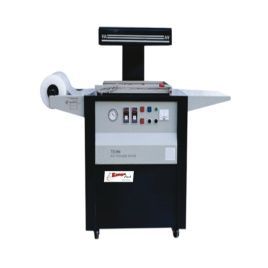
Industrial labeling machines are designed to place labels quickly and accurately on different types of products. These machines help maintain consistency across large production environments where manual labeling would be slow and unreliable.
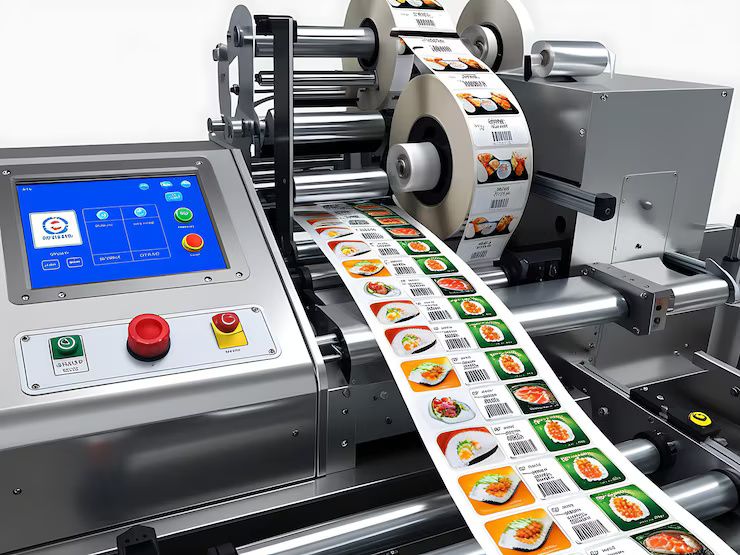
Many factories today rely on equipment such as a label printing machine or an auto labeling machine to handle large volumes of packaging. These systems help ensure that labels are applied neatly, correctly aligned, and easy to read.
Understanding how these machines work and where they are used can help people better appreciate their importance in modern production environments.
Understanding the Concept
Industrial labeling machines are specialized pieces of equipment used to apply labels to products, containers, or packaging materials. Labels can include important details such as product name, ingredients, batch numbers, safety instructions, or identification codes.
The purpose of labelling machinery is to automate the labeling process. Instead of workers placing labels manually, machines perform the task with high precision and speed.
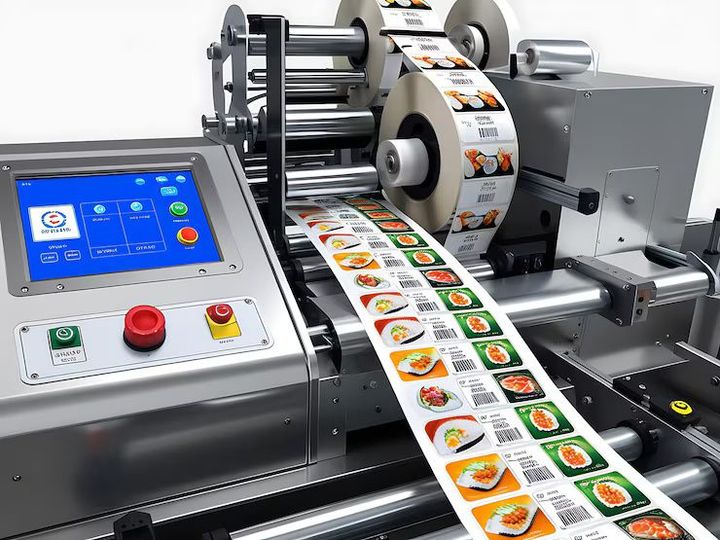
In many factories, labels are printed and applied during the same production stage. A label printing machine produces the label with text, graphics, or barcodes, while the labeling system places it on the product surface.
Industries often use an industrial label maker to handle large labeling tasks across different product shapes and materials. These machines can apply labels to bottles, boxes, jars, cans, or flat packages.
Automation helps maintain uniform label placement, which is important for both product identification and visual presentation.
Key Types or Categories
Different industries require different types of labeling equipment. The design of the machine often depends on product shape, packaging material, and production speed.
Some of the most commonly used types include the following.
Pressure-Sensitive Labeling Machines
These machines use labels that already have adhesive on the back. The label sticks to the product when pressure is applied.
Key characteristics include:
-
High labeling accuracy
-
Suitable for bottles, jars, and containers
-
Compatible with many packaging materials
Pressure-sensitive systems are widely used in beverage, cosmetics, and household product packaging.
Sleeve Labeling Machines
Sleeve labeling uses a plastic film that wraps around the product. Heat is applied to shrink the film so it tightly fits the container.
This type is commonly used for:
-
Beverage bottles
-
Food containers
-
Household products
The label covers the entire container surface, allowing more space for graphics and information.
Wrap-Around Labeling Machines
These machines apply a label that wraps around cylindrical objects such as bottles or cans.
Typical applications include:
-
Beverage bottles
-
Pharmaceutical containers
-
Cosmetic packaging
The machine rotates the container while applying the label evenly around the surface.
Top and Bottom Labeling Machines
These machines apply labels to the top or bottom surfaces of flat packages.
Examples include:
-
Food trays
-
Electronics packaging
-
Pharmaceutical boxes
Top and bottom labeling helps include important product details such as barcodes or batch numbers.
Automatic Labeling Systems
An auto labeling machine is designed for high-volume production environments. These systems automatically detect the product, position the label, and apply it in a precise location.
Features often include:
-
Sensors that detect product position
-
High-speed labeling capability
-
Consistent placement accuracy
These systems are widely used in industries where thousands of items move through production lines every hour.
How It Works
Although labeling machines may vary in design, most systems follow a similar sequence of steps. The goal is to apply labels accurately while keeping the production line moving smoothly.
The basic process includes the following stages.
-
Product Movement
Products move along a conveyor system toward the labeling station. Sensors detect the presence of each item as it approaches the machine.
-
Label Preparation
Labels are stored on a roll inside the machine. The system feeds the label forward and prepares it for application.
If the production line includes a label printing machine, the label may be printed with product information before being applied.
-
Position Detection
Sensors identify the exact position of the product. This ensures that the label is placed in the correct location.
-
Label Application
The label is pressed onto the product surface using rollers, brushes, or air pressure. This step ensures the label sticks evenly without wrinkles or bubbles.
-
Quality Check
Some machines include inspection cameras or sensors that check label alignment. Products that do not meet alignment standards may be removed from the line.
Through this automated process, labelling machinery can apply thousands of labels per hour with consistent accuracy.
Benefits and Advantages
Industrial labeling machines bring several advantages to modern manufacturing environments.
Improved Efficiency
Manual labeling can be slow and inconsistent. Automated machines significantly increase production speed while maintaining uniform results.
Consistent Label Placement
Machines apply labels in the same position every time. This helps maintain professional packaging appearance and improves product identification.
Reduced Human Error
Automation reduces mistakes such as crooked labels or missing information. Sensors and automated positioning help ensure accuracy.
Better Production Flow
An industrial label maker can be integrated directly into production lines. This allows products to move continuously without interruptions.
Adaptability for Different Products
Many machines can adjust to different container shapes and sizes. This flexibility is useful for factories that produce multiple product variations.
Real-World Examples or Applications
Industrial labeling machines are used across many industries. Each industry uses labeling in different ways depending on its requirements.
Food and Beverage Industry
Labels provide essential information such as:
-
Ingredients
-
Nutritional details
-
expiration dates
-
storage instructions
Beverage bottles and packaged foods often pass through automated labeling systems during production.
Pharmaceutical Industry
Medication packaging must include accurate labeling for safety and identification.
Labels may contain:
-
dosage instructions
-
batch numbers
-
expiration information
-
regulatory details
High precision labeling is critical in this industry.
Cosmetics and Personal Care
Cosmetic packaging often includes attractive labels with brand graphics. Wrap-around labeling machines are commonly used for bottles and jars.
Electronics Industry
Electronic products and components require labels for identification, tracking, and safety information.
Flat packaging labels often include barcodes and serial numbers.
Logistics and Packaging
Shipping containers and packages require identification labels for tracking and inventory management.
Automated labeling systems help apply these labels quickly in packaging facilities.
Important Factors to Understand
When evaluating industrial labeling systems, several factors help determine the most suitable equipment for a production environment.
Product Shape and Size
Different machines handle different packaging forms such as bottles, boxes, or irregular containers.
Label Material
Labels can be paper, plastic film, or synthetic material. The machine must be compatible with the chosen material.
Production Speed
High-output environments require machines capable of handling large numbers of products per minute.
Label Placement Accuracy
Certain industries, especially pharmaceuticals, require extremely precise label alignment.
Integration with Production Lines
Labeling equipment should work smoothly with conveyors, packaging equipment, and printing systems used in the production process.
Understanding these factors helps ensure smooth operation within manufacturing environments.
Future Trends and Industry Insights
Industrial labeling technology continues to evolve as manufacturing becomes more automated and data-driven.
Several trends are shaping the future of labeling systems.
Smart Manufacturing Integration
Labeling machines are increasingly connected to factory control systems. This allows production data and label information to be synchronized across the entire production line.
Advanced Sensors and Vision Systems
Modern machines use cameras and sensors to inspect label placement in real time. This improves quality control and reduces packaging errors.
Flexible Production Systems
Manufacturers often produce multiple product variations in the same facility. Modern labeling systems are designed to quickly adapt to different packaging formats.
Environmentally Conscious Materials
Packaging industries are exploring more environmentally friendly label materials and adhesives.
Labeling systems are evolving to handle these newer materials efficiently.
Increased Automation
Fully automated production environments rely heavily on technologies like an auto labeling machine and integrated printing systems.
These systems support faster production cycles and consistent product identification.
Conclusion
Industrial labeling machines play an important role in modern manufacturing and packaging. They ensure that products carry accurate information, identification details, and clear branding.
By automating the labeling process, equipment such as a label printing machine, industrial label maker, and auto labeling machine helps maintain efficiency and consistency in high-volume production environments.
Different types of labelling machinery are designed to handle various packaging shapes, materials, and labeling requirements. From food packaging to pharmaceutical containers, these systems support reliable product identification across many industries.
As manufacturing technology continues to advance, labeling systems are becoming more intelligent, flexible, and integrated into automated production lines. Understanding how these machines work helps highlight their importance in keeping modern production organized, efficient, and accurate.