Crop Harvesting Machines Guide: Technology, Uses, and Advantages
Farming has changed a lot over the years. What once required long hours of manual labor can now be done faster and more efficiently with machines. Crop harvesting machines are a key part of this transformation. They help farmers gather crops quickly, reduce effort, and improve productivity.
Today, agricultural harvesting equipment plays a major role in both small farms and large agricultural fields. These machines save time, reduce crop loss, and make farming more reliable. Understanding how they work and why they matter can help farmers and agriculture enthusiasts make better decisions.
Understanding the Concept
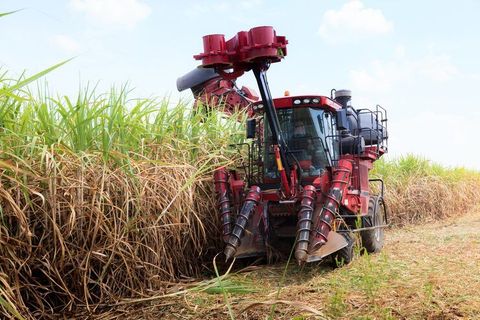
Crop harvesting machines are tools designed to collect mature crops from fields. Instead of using manual labor, these machines automate the process, making it faster and more consistent.
Modern harvesting machines can perform multiple tasks at once. For example, some machines cut crops, separate grains, and clean them in a single operation. This reduces the need for multiple steps and tools.
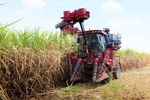
An automatic crop harvesting machine uses advanced systems such as sensors and mechanical parts to detect crops and harvest them efficiently. These machines are especially useful in large-scale farming where speed and accuracy are important.
Key Types or Categories
There are several types of crop harvesting machines, each designed for specific crops and farming conditions.
1. Combine Harvesters
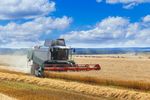
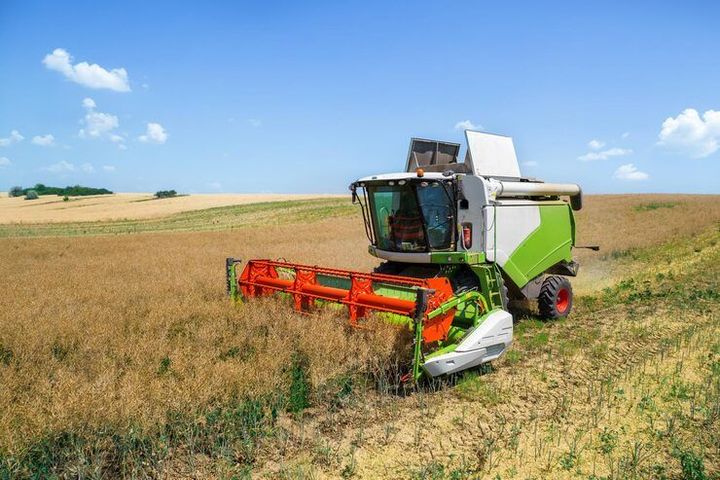
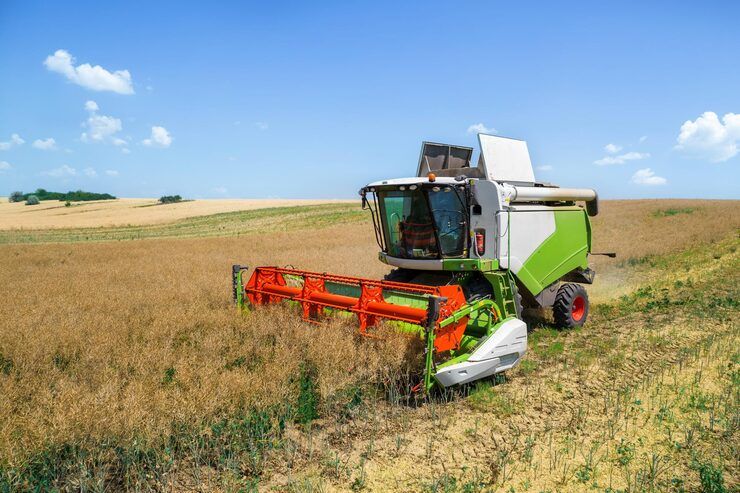
Combine harvesters are among the most widely used machines. They combine three main functions:
- Cutting the crop
- Threshing (separating grains from stalks)
- Cleaning the grains
These machines are commonly used for crops like wheat, rice, and corn.
2. Reapers
Reapers are simpler machines that cut crops and lay them in rows. Farmers can then collect and process the crops separately. They are often used in smaller farms.
3. Forage Harvesters
These machines are used for crops like grass and maize. They chop the crops into small pieces, which are later used as animal feed.
4. Potato and Root Crop Harvesters
These machines are designed to dig crops from the soil. They gently lift potatoes, carrots, or other root crops without damaging them.
5. Small Farm Harvesting Machines
Small farm harvesting machines are compact and easy to operate. They are ideal for farms with limited space and resources. These machines help small-scale farmers improve efficiency without needing large equipment.
Important Subsections
Manual vs Automated Machines
- Manual machines require human operation for most tasks
- Automated machines perform multiple steps with minimal input
Crop-Specific Equipment
Different crops require different machines. For example:
- Rice harvesters handle wet fields
- Wheat harvesters work best in dry conditions
Heavy Duty Equipment
A heavy duty crop harvester is built for large farms. These machines can handle high workloads and operate for long hours without interruption.
How It Works
Crop harvesting machines follow a simple but efficient process. Here is a step-by-step explanation:
-
Cutting the Crop
The machine uses sharp blades to cut crops at the base. -
Feeding the Crop into the Machine
The cut crops are moved into the machine using rotating parts or conveyors. -
Threshing
The machine separates grains from the stalks using mechanical action. -
Cleaning
Dust, chaff, and unwanted materials are removed to ensure clean output. -
Collection
The harvested grains are collected in a storage tank or container. -
Residue Handling
Leftover plant material is either spread back onto the field or collected for other uses.
This process reduces manual effort and ensures consistent results.
Benefits and Advantages
Crop harvesting machines provide several important advantages:
-
Time Efficiency
Harvesting large fields can be completed in hours instead of days. -
Reduced Labor Effort
Fewer workers are needed, which makes farming more manageable. -
Improved Crop Quality
Machines reduce damage and ensure uniform harvesting. -
Higher Productivity
Farmers can handle larger areas and increase overall output. -
Better Resource Use
Efficient machines reduce waste and improve yield. -
Adaptability
Many machines can be adjusted for different crops and field conditions.
Using modern harvesting machines helps farmers keep up with growing demand while maintaining quality.
Real-World Examples or Applications
Crop harvesting machines are used in many real-life farming scenarios:
-
Large Wheat Farms
Combine harvesters are used to quickly harvest wheat across large fields. -
Rice Fields in Wet Areas
Specialized machines operate efficiently in muddy conditions, reducing manual work. -
Vegetable Farms
Root crop harvesters help collect potatoes and carrots without damaging them. -
Small-Scale Farms
Compact machines help small farmers manage their fields more effectively. -
Animal Feed Production
Forage harvesters process crops into feed for livestock.
These examples show how different types of agricultural harvesting equipment are used based on specific needs.
Important Factors to Understand
Before choosing or using harvesting machines, it is important to consider several factors:
-
Farm Size
Larger farms may require heavy duty crop harvester models, while smaller farms benefit from compact machines. -
Crop Type
Each crop has unique harvesting requirements. -
Field Conditions
Wet, dry, or uneven fields may need specialized equipment. -
Machine Capacity
The output capacity should match the farm’s needs. -
Maintenance Needs
Regular maintenance ensures long-term performance and reliability. -
Energy Source
Machines may run on fuel or other power systems, depending on design. -
Ease of Operation
Simple controls make machines easier to use and reduce training time.
Harvesting equipment manufacturers often design machines to meet these different needs, making it easier for farmers to choose suitable options.
Future Trends and Industry Insights
The future of crop harvesting machines looks promising. New technologies are making these machines smarter and more efficient.
-
Automation and Smart Features
Advanced machines can detect crop conditions and adjust settings automatically. -
Precision Farming
Machines are becoming more accurate, reducing waste and improving yield. -
Eco-Friendly Designs
New models focus on reducing emissions and energy use. -
Integration with Data Systems
Machines can collect data to help farmers make better decisions. -
Improved Accessibility for Small Farms
More compact and affordable designs are being developed for smaller agricultural operations.
As technology continues to evolve, automatic crop harvesting machine systems will become even more advanced and widely used.
Conclusion
Crop harvesting machines have transformed agriculture by making harvesting faster, easier, and more efficient. From small farm harvesting machines to large heavy duty crop harvester models, these tools play a crucial role in modern farming.
They help reduce labor, improve crop quality, and increase productivity. With ongoing advancements, agricultural harvesting equipment will continue to evolve and support farmers in meeting growing food demands.
Understanding how these machines work and their benefits allows farmers and enthusiasts to appreciate their importance in today’s agricultural landscape.