The growing use of industrial collaborative robots is driven by the need for efficiency, precision, and flexibility. Businesses are looking for smarter ways to handle repetitive tasks while allowing human workers to focus on more creative and complex activities.
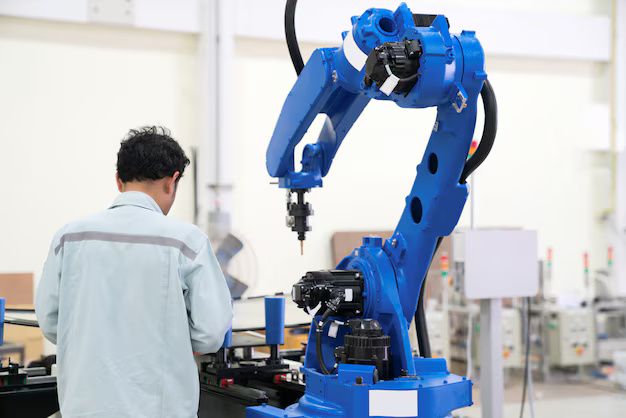
Understanding cobot automation systems helps people see how modern workplaces are evolving. These machines are not replacing humans; instead, they are assisting them to achieve better results.
Understanding the Concept
A collaborative robot is a type of robot built to interact directly with humans in a shared workspace. It is equipped with sensors and safety features that allow it to detect human presence and respond accordingly.
Traditional robots are usually large, fast, and operate behind safety barriers. Cobots, on the other hand, are smaller, more flexible, and designed for direct collaboration.
Key characteristics of collaborative robot arms include:
-
Built-in safety sensors
-
Easy programming and setup
-
Ability to perform repetitive tasks with high accuracy
-
Flexibility to adapt to different tasks
The idea behind cobot automation systems is simple: combine human intelligence with robotic precision.
Key Types or Categories
There are different types of collaborative robots, each designed for specific tasks and industries.
Power and Force Limiting Cobots
These cobots are designed to limit the force they exert. If they come into contact with a human, they stop immediately to prevent injury.
Speed and Separation Monitoring Cobots
These robots use sensors to monitor the distance between humans and machines. They slow down or stop when a person gets too close.
Hand Guiding Cobots
These allow users to guide the robot manually to teach it tasks. This makes programming simple and intuitive.
Safety Monitored Stop Cobots
These robots stop their operation when a human enters the workspace and resume when the area is clear.
Important Subsections
Collaborative Robot Arms
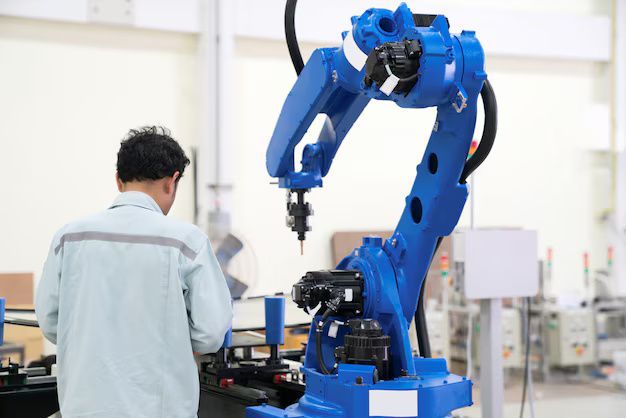
Collaborative robot arms are the most common type of cobot. They mimic the movement of a human arm and can perform tasks like picking, placing, assembling, and welding.
Cobot Welding Robots
Cobot welding robots are widely used in industries where precision welding is required. They help maintain consistent weld quality and reduce manual effort.
Cobot Machine Integration
Cobot machine integration refers to connecting cobots with existing machines or production lines. This allows smooth workflow and better coordination between different systems.
How It Works
Cobots operate using a combination of sensors, programming, and mechanical movement. Here is a simple step-by-step explanation:
-
Task Setup
A user defines the task, such as picking an item or welding a joint.
-
Programming the Robot
Many cobots can be programmed by guiding their arms manually or using a simple interface.
-
Sensor Activation
Sensors detect movement, force, and nearby objects to ensure safe operation.
-
Execution of Task
The cobot performs the assigned task with precision and consistency.
-
Continuous Monitoring
The system continuously checks for changes in the environment and adjusts accordingly.
This process makes cobot automation systems easy to use and highly adaptable for different tasks.
Benefits and Advantages
Collaborative robots bring several practical advantages to modern workplaces.
Improved Efficiency
Cobots can work continuously without fatigue. This helps increase productivity and reduce delays.
Enhanced Safety
Built-in safety features make it possible for humans and robots to work side by side without risk.
Flexibility
Cobots can be easily reprogrammed for different tasks. This makes them suitable for changing production needs.
Better Accuracy
Tasks that require precision, such as welding or assembly, benefit from the consistent performance of cobots.
Reduced Physical Strain
Workers no longer need to perform repetitive or physically demanding tasks, which helps reduce fatigue.
Easy Integration
Cobot machine integration allows these robots to work with existing equipment, making them suitable for many environments.
Real-World Examples or Applications
Collaborative robot applications can be found in many industries. Here are some common examples:
Manufacturing
-
Assembly of small components
-
Machine loading and unloading
-
Quality inspection
Automotive Industry
-
Use of cobot welding robots for precise welding
-
Handling heavy parts with collaborative robot arms
Electronics
-
Placement of delicate components
-
Testing and inspection tasks
Healthcare
-
Assisting in laboratory processes
-
Handling sensitive materials
Packaging and Logistics
-
Sorting and packaging items
-
Palletizing goods for storage
These examples show how industrial collaborative robots are improving efficiency across different sectors.
Important Factors to Understand
Before adopting cobots, there are several important factors to consider.
Workspace Design
The workspace should allow smooth interaction between humans and robots. Proper layout planning is essential.
Safety Standards
Even though cobots are designed for safety, following industry safety guidelines is still important.
Task Suitability
Not all tasks are suitable for cobots. They are best used for repetitive and precise activities.
Training and Skills
Workers need basic training to operate and manage cobots effectively.
Integration Challenges
Cobot machine integration requires proper planning to ensure compatibility with existing systems.
Future Trends and Industry Insights
The future of collaborative robots looks promising as technology continues to advance.
Increased Use of Artificial Intelligence
Cobots are expected to become smarter, allowing them to learn from their environment and improve performance over time.
Expansion Across Industries
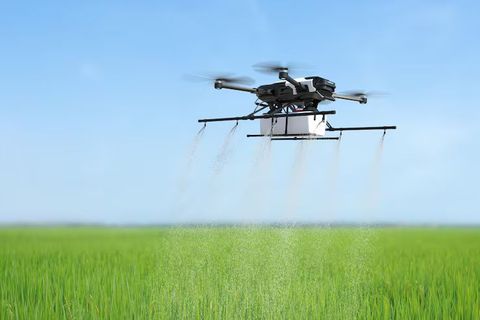
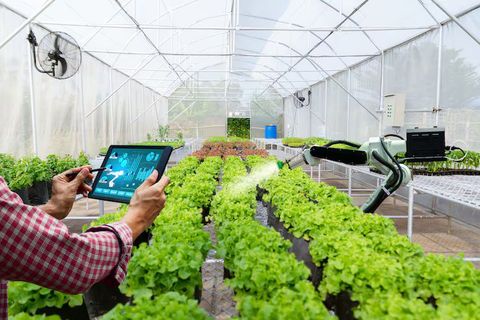
More industries, including agriculture and retail, are exploring collaborative robot applications.
Improved Human-Robot Interaction
Future cobots will have better communication abilities, making interaction more natural and efficient.
Compact and Portable Designs
Smaller and more portable cobots will make it easier to use them in different environments.
Greater Adoption of Cobot Automation Systems
As industries focus on efficiency and flexibility, cobot automation systems will become more common worldwide.
Conclusion
Collaborative robots are transforming the way people work with machines. They combine human creativity with robotic precision, creating a balanced and efficient workflow.
From collaborative robot arms to cobot welding robots, these machines are helping industries handle tasks more effectively. With features like safety sensors, easy programming, and flexible operation, cobots are suitable for a wide range of applications.
Understanding industrial collaborative robots and their benefits helps individuals and organizations prepare for the future of work. As technology continues to evolve, cobots will play an even greater role in shaping modern industries.