If you have ever seen perfectly round metal parts like shafts, bolts, or pipes, chances are they were made using CNC turning machines. The term “CNC” stands for Computer Numerical Control, which means the machine follows programmed instructions to perform tasks automatically.
This technology matters because it improves accuracy, saves time, and ensures consistent results. Whether for small components or large industrial parts, CNC turning has become a standard method in production.
Understanding the Concept
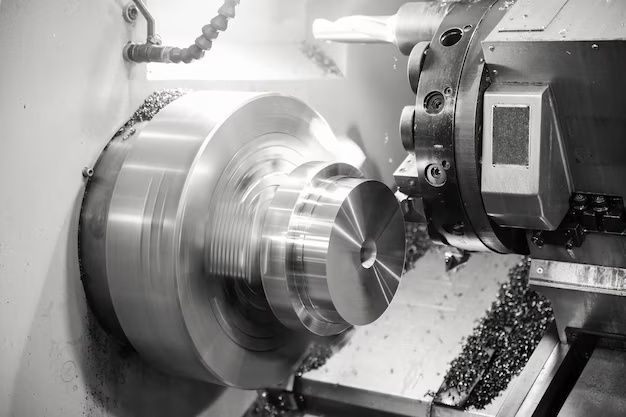
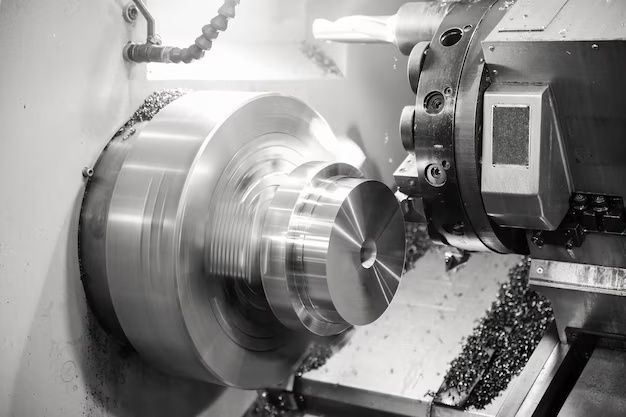
At its core, a CNC turning machine rotates a workpiece while a cutting tool removes material to create the desired shape. Unlike manual machines, the process is controlled by a computer program.
Here is a simple way to understand it:
-
The material spins at high speed
-
A cutting tool moves along it
-
The machine removes layers to form the final product
Industrial CNC turning machines are designed to handle complex shapes with high precision. These machines can repeat the same operation many times without losing accuracy.
An automatic CNC turning machine takes this a step further by reducing manual involvement. Once programmed, it can perform multiple tasks continuously.
Key Types or Categories
1. Horizontal CNC Turning Machines
These are the most common types. The workpiece is mounted horizontally and rotates while the tool cuts along it. They are widely used for general machining tasks.
2. Vertical CNC Turning Machines
In this type, the workpiece is positioned vertically. This setup is useful for large and heavy parts that need stable positioning during machining.
3. Automatic CNC Turning Machine
An automatic CNC turning machine operates with minimal human input. It can handle repetitive tasks efficiently, making it ideal for mass production.
4. Heavy Duty CNC Turning Machine
A heavy duty CNC turning machine is built for large-scale operations. It can handle tough materials and large components such as industrial shafts and heavy equipment parts.
5. Multi-Axis CNC Turning Machines
These machines allow movement in multiple directions. This enables more complex shapes and reduces the need for multiple setups.
Important Subsections
Tooling System
The cutting tools used in CNC turning are made from strong materials like carbide. These tools are designed to withstand heat and pressure during machining.
Control Panel
The control panel is where operators input instructions. It allows precise control over speed, movement, and cutting depth.
Workholding Devices
These devices hold the material firmly in place. Common examples include chucks and collets.
Programming
The machine follows a coded program, often written in G-code. This code tells the machine exactly what to do.
How It Works
The process of CNC turning can be broken down into simple steps:
-
Design Creation
A digital design of the part is created using computer-aided design tools.
-
Program Setup
The design is converted into machine instructions.
-
Material Loading
The raw material is placed into the machine and secured.
-
Machine Setup
Tools are selected and positioned based on the program.
-
Turning Operation
The material rotates while the cutting tool shapes it.
-
Finishing
Final touches are applied to achieve smooth surfaces and exact dimensions.
-
Inspection
The finished part is checked for accuracy and quality.
Advanced CNC turning solutions often include automated measurement systems that ensure each part meets required standards.
Benefits and Advantages
CNC turning machines offer several practical benefits:
-
High Precision
These machines can produce parts with very tight tolerances.
-
Consistency
Every part produced is nearly identical, which is important in industries that require uniformity.
-
Efficiency
Automatic processes reduce production time and manual effort.
-
Flexibility
Machines can be reprogrammed for different tasks without major changes.
-
Reduced Waste
Accurate cutting minimizes material loss.
For example, in automotive manufacturing, CNC turning ensures that engine components fit perfectly, improving performance and reliability.
Real-World Examples or Applications
CNC turning machines are used in many industries. Here are some common applications:
Automotive Industry
-
Engine parts like pistons and shafts
-
Brake components
-
Transmission elements
Aerospace Industry
-
Aircraft engine parts
-
Precision fasteners
-
Structural components
Electronics Industry
-
Connectors
-
Small metal housings
-
Precision pins
Medical Field
-
Surgical instruments
-
Implants
-
Equipment components
Industrial Equipment
Heavy duty CNC turning machines are often used to create large machine parts such as rollers and cylinders.
Important Factors to Understand
Before working with CNC turning machines, it is important to consider several factors:
Material Selection
Different materials behave differently during machining. Metals like aluminum are easier to cut, while steel requires stronger tools.
Machine Capability
Not all machines are the same. Industrial CNC turning machines vary in size, power, and precision.
Tool Selection
Choosing the right cutting tool affects both quality and efficiency.
Programming Accuracy
Even a small error in programming can lead to incorrect results. Careful setup is essential.
Maintenance
Regular checks keep the machine running smoothly and extend its lifespan.
Safety Measures
Operators must follow safety guidelines to prevent accidents during operation.
Future Trends and Industry Insights
The field of CNC turning continues to evolve with new technologies. Some key trends include:
Automation Growth
Automatic CNC turning machines are becoming more common. They reduce manual work and increase productivity.
Smart Manufacturing
Machines are now connected to digital systems that monitor performance in real time. This helps detect issues early.
Improved Precision
Advanced CNC turning solutions are pushing the limits of accuracy, allowing the production of highly detailed components.
Energy Efficiency
Modern machines are designed to use less energy while maintaining high performance.
Integration with Robotics
Robots are increasingly used to load and unload materials, making the process faster and more efficient.
These trends are shaping the future of manufacturing, making CNC turning more reliable and efficient than ever.
Conclusion
CNC turning machines have transformed the way parts are produced. By combining precision, automation, and flexibility, they meet the demands of modern industries.
From simple components to complex industrial parts, these machines handle a wide range of tasks with ease. Industrial CNC turning machines, automatic CNC turning machine systems, and heavy duty CNC turning machine setups all contribute to efficient production processes.
Understanding how these machines work helps in appreciating their value in everyday products. As technology continues to advance, advanced CNC turning solutions will play an even bigger role in shaping the future of manufacturing.