The term CNC stands for Computer Numerical Control. It means the machine is controlled by a computer program instead of manual operation. This makes the process faster, more accurate, and repeatable.
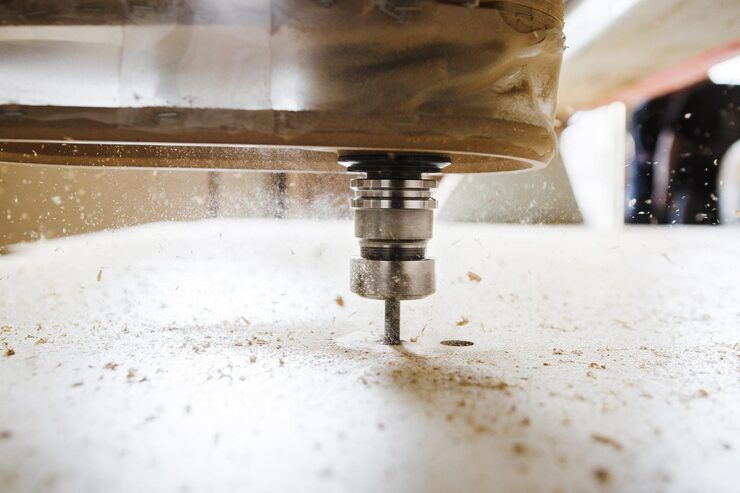
In this guide, you will learn how CNC milling machines work, the different types available, and how industries use them in real life.
Understanding the Concept
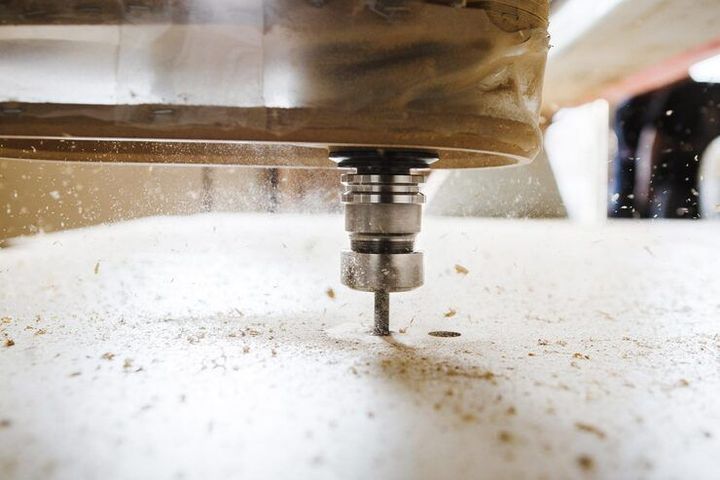
CNC milling machines are tools that remove material from a solid block using rotating cutters. The machine follows instructions from a computer program to create specific shapes.
Think of it like carving wood, but much more precise and controlled. Instead of a person guiding the tool, a computer directs every movement.
A CNC milling machine for metal is commonly used to create parts that require strength and durability. These machines can cut, drill, and shape materials with high precision.
Industrial CNC milling machines are designed for large-scale production. They handle heavy workloads and operate continuously in factories.
Key Types or Categories
There are several types of CNC milling machines, each designed for specific tasks.
CNC Vertical Milling Machines
In this type, the cutting tool moves vertically. It is commonly used for simple operations like drilling and slot cutting.
CNC Horizontal Milling Machine
A CNC horizontal milling machine has a horizontally aligned spindle. It is ideal for heavy-duty cutting and removing large amounts of material quickly.
5 Axis CNC Milling Machine
A 5 axis CNC milling machine can move in five different directions. This allows it to create complex shapes in a single setup. It is widely used in industries like aerospace and medical equipment.
Heavy Duty CNC Milling Machine
A heavy duty CNC milling machine is built for tough tasks. It can handle large and hard materials without losing accuracy.
Industrial CNC Milling Machines
These machines are used in factories for mass production. They are designed for speed, consistency, and long operation hours.
Important Subsections
CNC Milling Tools
CNC milling tools are the cutting instruments used by the machine. They come in different shapes and sizes depending on the task.
Common tools include:
-
End mills for cutting and shaping
-
Face mills for flat surfaces
-
Drill bits for making holes
-
Ball nose cutters for curved surfaces
Each tool is selected based on the material and design requirements.
Role of a CNC Milling Machine Manufacturer
A CNC milling machine manufacturer designs and produces these machines. They focus on precision, durability, and performance.
Manufacturers also improve machine features over time, such as better control systems and faster cutting speeds.
High Precision CNC Milling
High precision CNC milling refers to achieving extremely accurate measurements. This is important in industries where even a small error can cause problems, such as in medical devices or aircraft parts.
How It Works
The working process of CNC milling machines can be broken down into simple steps:
-
Design Creation
A digital design of the part is created using computer-aided design (CAD) tools.
-
Program Generation
The design is converted into instructions that the machine can understand. These instructions guide movement and cutting.
-
Machine Setup
The material is placed on the machine table. Tools are selected and installed.
-
Execution
The machine starts cutting based on the program. The tool rotates and removes material step by step.
-
Finishing
The final part is checked and cleaned. Additional steps like polishing may be done if needed.
This automated process ensures consistency and reduces human error.
Benefits and Advantages
CNC milling machines provide several advantages that make them essential in modern manufacturing.
-
High accuracy
Machines can produce parts with very tight tolerances.
-
Repeatability
The same design can be created multiple times with identical results.
-
Efficiency
Automation speeds up production and reduces manual effort.
-
Versatility
One machine can perform multiple operations like cutting, drilling, and shaping.
-
Complex design capability
Machines like the 5 axis CNC milling machine can create intricate shapes that are difficult to achieve manually.
-
Reduced waste
Precise cutting minimizes material loss.
These benefits make CNC milling machines suitable for both small-scale and large-scale production.
Real-World Examples or Applications
CNC milling machines are used in many industries. Here are some practical examples:
-
Automotive industry
Engine parts, gears, and transmission components are made using CNC milling machines.
-
Aerospace industry
Aircraft components require high precision CNC milling to ensure safety and performance.
-
Medical field
Surgical instruments and implants are produced with extreme accuracy.
-
Electronics manufacturing
Small components used in devices are created using CNC milling.
-
Construction equipment
Heavy machinery parts are often made using a heavy duty CNC milling machine.
These examples show how important CNC milling machines are in everyday life.
Important Factors to Understand
Before working with CNC milling machines, it is helpful to understand a few key factors.
Material Type
Different materials require different cutting tools and speeds. For example:
-
Metal needs strong and durable tools
-
Plastic requires lighter cutting conditions
Machine Capability
Not all machines can handle every task. A CNC horizontal milling machine is better for heavy cutting, while a 5 axis CNC milling machine is suited for complex shapes.
Tool Selection
Using the right CNC milling tools is important for achieving good results and avoiding damage.
Precision Requirements
Some industries require extremely tight tolerances. In such cases, high precision CNC milling is essential.
Maintenance and Care
Machines need regular cleaning and inspection to maintain performance and accuracy.
Future Trends and Industry Insights
CNC milling technology continues to evolve with new advancements.
-
Automation growth
Machines are becoming more automated, reducing the need for manual input.
-
Smart manufacturing
Machines are being connected to systems that monitor performance and improve efficiency.
-
Improved precision
Advances in technology are making high precision CNC milling even more accurate.
-
Energy efficiency
New designs focus on reducing energy use while maintaining performance.
-
Advanced materials
Machines are being developed to handle stronger and more complex materials.
A modern CNC milling machine manufacturer often focuses on integrating these trends into their designs.
Conclusion
CNC milling machines play a vital role in modern manufacturing. They allow industries to create precise, reliable, and complex parts efficiently.
From simple vertical machines to advanced 5 axis CNC milling machines, each type serves a unique purpose. With the right tools and setup, these machines can handle a wide range of materials and applications.
Understanding how CNC milling machines work, their types, and their benefits helps in appreciating their importance in everyday products. As technology continues to advance, these machines will become even more powerful and efficient, shaping the future of manufacturing.