Agriculture has always depended on weather, soil, and careful planning. Today, technology makes these tasks easier and more accurate. Farming drones allow farmers to see their land from above and make better decisions. This leads to healthier crops and improved results.
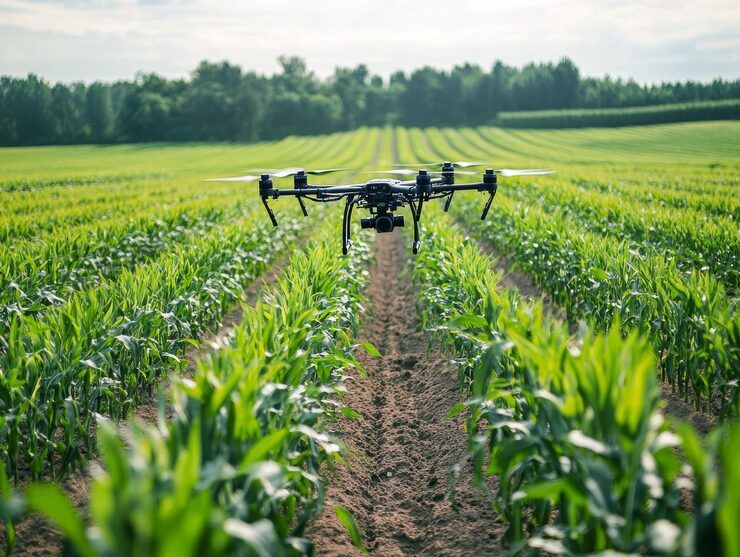
In this guide, you will learn how drone for agriculture works, its types, benefits, and how it is shaping the future of farming.
Understanding the Concept
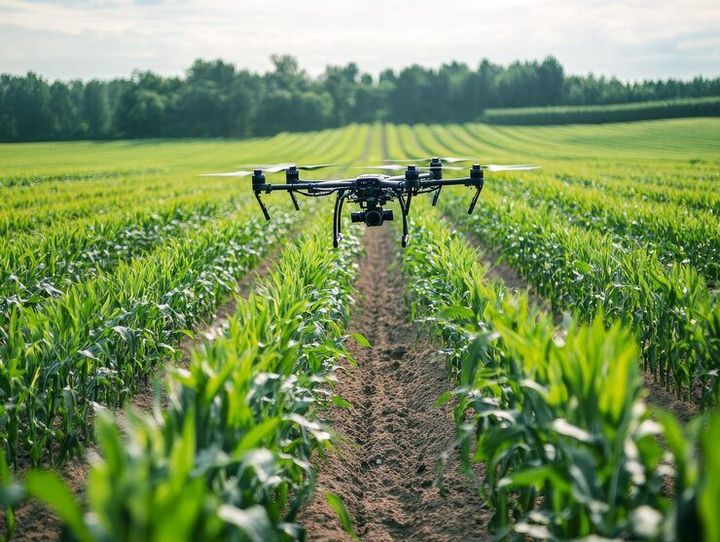
Agricultural drones are unmanned aerial vehicles designed to support farming activities. They collect data, capture images, and perform tasks like spraying crops.
A smart farming drone technology system uses sensors, cameras, and GPS to gather information about fields. This data helps farmers understand crop health, soil conditions, and water needs.
Precision agriculture drones are especially useful because they focus on accuracy. Instead of treating an entire field the same way, they allow farmers to target specific areas that need attention.
This approach saves time and resources while improving crop yield.
Key Types or Categories
There are different types of farming drones based on their purpose. Each type helps with a specific farming task.
Mapping and Survey Drones
These drones are used for drone mapping for agriculture. They create detailed maps of farmland using aerial images.
Farmers can:
-
Analyze field conditions
-
Identify uneven areas
-
Plan irrigation systems
Spraying Drones
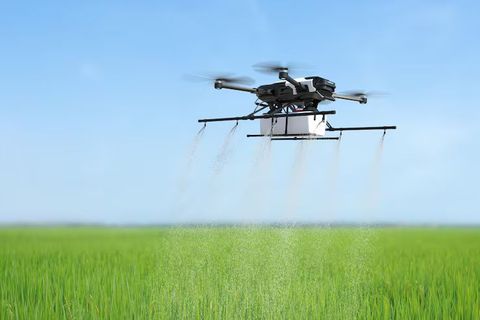
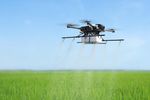
Agricultural spraying drones are designed to spray liquids like fertilizers or pesticides over crops.
They can:
-
Cover large areas quickly
-
Apply substances evenly
-
Reach difficult terrain
Monitoring Drones
These drones monitor crop health using special cameras.
They help farmers:
-
Detect diseases early
-
Identify water stress
-
Track plant growth
Transport and Utility Drones
Some commercial agricultural drones are used to carry small loads such as seeds or tools across fields.
They are useful in:
-
Remote areas
-
Large farms
-
Difficult landscapes
Important Subsections
Sensors and Imaging Technology
Modern farming drones use advanced sensors. These include:
-
RGB cameras for normal images
-
Multispectral sensors to detect plant health
-
Thermal sensors to measure temperature
These tools help farmers understand what is happening in their fields without walking through every row.
GPS and Navigation Systems
Drones use GPS to follow precise routes. This ensures accurate coverage of farmland.
With pre-set flight paths, drones can:
-
Avoid overlap
-
Cover entire fields efficiently
-
Return to the starting point automatically
Data Analysis
The information collected by drones is processed into simple visuals. These visuals help farmers make better decisions about irrigation, fertilization, and crop care.
How It Works
Using agricultural drones is simple when broken into steps.
-
Planning the Flight
Farmers define the area they want to monitor. The drone is programmed with a flight path.
-
Launching the Drone
The drone takes off and follows the planned route using GPS.
-
Data Collection
During the flight, the drone captures images and sensor data.
-
Processing the Data
The collected data is converted into maps and reports.
-
Taking Action
Farmers use this information to improve crop management.
For example, if a drone detects dry areas, farmers can adjust irrigation in those specific spots.
Benefits and Advantages
Using drone for agriculture offers many practical benefits.
Improved Efficiency
Drones can cover large fields in a short time. This reduces manual effort and speeds up farm operations.
Better Crop Health Monitoring
Precision agriculture drones detect problems early. Farmers can act before issues spread.
Accurate Resource Usage
Instead of applying water or nutrients everywhere, farmers target only needed areas.
Time Savings
Tasks that once took hours can now be completed quickly with farming drones.
Access to Hard-to-Reach Areas
Drones can easily fly over uneven or muddy land, making them ideal for all types of terrain.
Reduced Environmental Impact
By applying inputs only where needed, drones help reduce waste and protect the environment.
Real-World Examples or Applications
Agricultural drones are already being used in many farming scenarios.
Crop Health Monitoring
A farmer uses drone mapping for agriculture to scan fields weekly. The drone identifies unhealthy plants, allowing quick action.
Precision Spraying
Agricultural spraying drones are used in rice fields to apply nutrients evenly. This improves crop quality and reduces manual labor.
Vineyard Management
In vineyards, drones monitor plant growth and detect diseases. This helps maintain consistent quality across crops.
Irrigation Planning
Farmers use aerial data to identify dry zones. They adjust irrigation systems based on real-time insights.
Large-Scale Farming
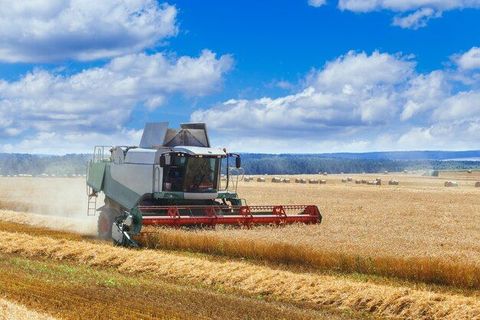
Commercial agricultural drones are used on large farms to manage thousands of acres efficiently.
Important Factors to Understand
Before using farming drones, it is important to consider a few key factors.
Weather Conditions
Drones perform best in calm weather. Strong winds or rain can affect their performance.
Battery Life
Most drones have limited flight time. Planning efficient routes is important to maximize coverage.
Training and Knowledge
Farmers need basic training to operate drones effectively and interpret data correctly.
Regulations
Different regions have rules for drone usage. Farmers must follow local guidelines for safe operation.
Maintenance
Regular maintenance ensures drones work smoothly and last longer.
Future Trends and Industry Insights
The future of agricultural drones looks promising. Technology continues to improve, making drones more efficient and easier to use.
Automation
Future drones will operate with minimal human input. They will automatically scan fields and suggest actions.
Improved Sensors
New sensors will provide even more detailed insights about soil and crop conditions.
Integration with Smart Farming Systems
Smart farming drone technology will connect with other tools like irrigation systems and farm equipment. This will create a fully connected farming environment.
Increased Adoption
As awareness grows, more farmers are using the best drones for farming to improve productivity.
Sustainable Farming
Drones will play a key role in sustainable agriculture by reducing waste and improving efficiency.
Conclusion
Agricultural drones are transforming the way farming is done. They provide valuable insights, improve efficiency, and help farmers make smarter decisions.
From monitoring crops to precision spraying, these tools are becoming essential in modern agriculture. Precision agriculture drones allow targeted actions that save time and resources while improving results.
As technology continues to evolve, farming drones will become even more powerful and accessible. Farmers who adopt these tools can better manage their fields and adapt to changing agricultural needs.
Smart farming drone technology is not just a trend. It is a practical step toward more efficient and sustainable farming practices.