Textile Weaving Machines Guide: Types, Features, and Production Benefits
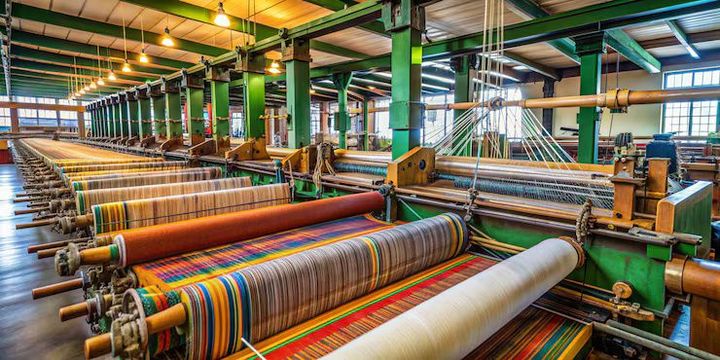
Textile weaving machines play a central role in fabric production. From simple cloth used in daily life to advanced materials for industries, these machines help turn yarn into usable fabric. Over time, weaving has evolved from manual handlooms to highly automated systems that improve speed, precision, and consistency.
From clothing to cars, fabric shows up everywhere - machines that weave it have become essential. Not magic, just clever engineering turning threads into material at high speed. Some spin gently, others move fast, each designed for a specific kind of cloth. Efficiency hides in motion: smooth patterns, steady tension, minimal waste. Seeing one in action reveals rhythm, almost like breathing. What matters most? Consistency over time, batch after batch. These tools do not guess - they repeat, precisely. Quality comes not from effort but repetition done right.
Understanding the Concept
Threads going up and down meet others sliding sideways, that is how weaving works. Vertical ones stay tight, held in place as horizontal ones pass through, again and again. Machines handle the motion, keeping rhythm so cloth begins to form. Each crossing builds the material, row after row, without rush.
A weaving machine tackles three key jobs, simply put. First up, it lines up threads straight across. Then, another thread loops through from one side to the other. Motion repeats, row after row. Threads lock together, forming cloth that way
- Opens the warp threads (called shedding)
- Inserts the weft thread (called picking)
- Tightens the fabric (called beating)
These days, equipment handles the process on its own, so results come quicker while staying steady when set beside older ways.
Nowadays, automatic looms handle much of fabric making since they cut down on human work while speeding up output. Fabric factories rely on these machines as they streamline operations instead of depending on hand labor. Efficiency jumps when robotic systems take over threading and pattern creation rather than slow, error-prone methods. These devices run nonstop, which means cloth rolls out faster compared to older techniques.
Types of Keys
Some weaving machines make cloth one way, others a totally different way. How they work depends on what kind of material is needed in the end.
Shuttle Weaving Machines
Shuttles move the weft through warp threads in these older models. Though basic in design, they take more time than today's versions.
Shuttleless Weaving Machines
Out of nowhere, these machines swap the old shuttle for speedier options. You’ll often see kinds like:
- Rapier machines (use rods to carry yarn)
- Air-jet machines (use air pressure)
- Water-jet machines (use water flow)
Faster movement marks these devices, also they work better. Efficiency climbs because of how quickly they run.
Fast Weaving Machines
Fast looms churn out miles of cloth in short time. Factories pick them when keeping up with demand is just as vital as clean finishes.
Automated Looms for Fabric Production
From tiny motors responding to code, cloth takes shape through careful digital guidance. Instead of hands adjusting each thread, sensors track every movement silently. Patterns form row by row, not by guesswork but steady electronic signals. Mistakes fade when rhythm stays constant without fatigue setting in. Precision hides inside timing, woven into every inch of output.
Important Subsections
Handlooms Compared With Today's Machinery
Some people keep using handlooms because they like how hands shape each thread. Machines today care more about making large amounts without mistakes.
Pattern Control Systems
Out of today’s tools come fine digital handling. So intricate shapes show up - no hand tweaking needed.
Material Compatibility
Not every machine works with all yarns - cotton might run smooth on one, while another chokes on it. Silk? That often needs something more delicate. Synthetic stuff tends to behave differently under tension. The pick comes down to what thread you feed it. Wrong match means snags, slips, or worse.
How It Works
A single thread gets pulled across before another slips underneath. Threads line up straight when tension holds them tight. One row crosses at right angles each time the shuttle moves. Fabric begins where strands lock together through steady repetition. A drum winds the cloth once the pattern sets. Movement continues unless something stops it. Each cycle adds more length to the growing piece
- Yarn Preparation
- Out of preparation comes the yarn, set neatly onto beams. Running alongside one another, warp threads line up straight.
- Shedding
- A space forms when the device raises certain warp strands.
- Picking
- A thin strand slips across the opening, carried by a small device or similar tool.
- Beating
- Pulling it through makes the weave snug. Fabric locks together once threaded right.
- Take-Up and Let-Off
- Forward rolls the fabric as fresh warp threads come loose. A steady pace keeps tension right. Each turn feeds more material ahead. Loosened strands follow where the cloth goes next.
When one part moves, the others follow without delay. Each motion links precisely to the next, keeping everything on track.
Benefits and Advantages
Modern textile weaving machines provide many practical benefits.
Increased Productivity
Faster production comes from high speed weaving machines instead of older techniques. Meeting big orders becomes possible because of this pace.
Consistent Quality
Patterns come out even because the looms follow digital cues. Less difference shows up between batches since each thread gets placed the same way every time.
Reduced Manual Effort
Most of the time, machines handle tasks on their own. Watching what happens becomes the main job instead of doing each piece by hand.
Flexible Design Options
Out of nowhere, smart tools shift designs fast. Because of that, switching styles takes almost no effort at all.
Better Resource Use
Fewer scraps pile up now because today's equipment handles thread with tighter control. Machines move smarter, so less fiber gets left behind.
Key Advantages Listed
- Faster production cycles
- Improved fabric accuracy
- Lower chances of defects
- Easier operation and monitoring
- Adaptability to different materials
real world examples and applications
Textile weaving machines are used in many industries beyond clothing.
Apparel Industry
Fabrics such as cotton, denim, silk emerge when makers of clothes pick top-tier weaving equipment. Machines that weave textiles well tend to shape how smooth or strong the cloth turns out. High-grade looms often mean fewer flaws across yards of material. What gets made depends heavily on how the threads are interlaced during production.
Home Textiles
Fabric for bed covers comes off high-tech looms. Window drapes emerge from complex weaving tools. Upholstery material takes shape on modern spinning frames.
Industrial Fabrics
Fabric finds its way into buildings, car cabins, also air filters. Tough weaving keeps these materials holding up over time.
Technical Textiles
Fabric meant for medical wear or safety clothing gets woven by smart machines that follow exact digital patterns. Precision comes from automated looms adjusting thread placement without guesswork. These high-tuned systems build material layer by layer, matching strict performance needs. Every strand lines up right because software guides the entire weave process. Mistakes drop way down when computers handle the complex threading jobs. Such control lets manufacturers produce consistent results across large batches. Machines run steadily, repeating moves exactly how programmed every single time.
Practical Scenario
A single machine hums through yards of thread, stitching rows fast enough to fill trucks each morning. Meanwhile, tucked in a backstreet shed, another crew taps screens where designs bloom pixel by pixel before threads follow.
Key Things to Know
Learning how fabric looms work brings up a few things worth noticing. Each detail matters just enough to shape what comes next. Some parts stand out more than others do. What you see depends on where you start looking. Every machine has its own way of moving thread through space.
Machine Speed
Speedy equipment boosts production yet needs regular upkeep for consistent results.
Fabric Type
Some materials demand special weaving techniques. Take fine cloth, it requires gentle treatment during production.
Energy Efficiency
Fine-tuned engines now sip power without losing strength. Efficiency sneaks in where waste once lived. Performance holds steady even as demands shift. Clever engineering swaps hunger for thrift.
Maintenance Requirements
A well-kept machine runs without hiccups, lasting far beyond neglect. Care today means fewer breakdowns tomorrow.
Skill Level
Though machines run on their own, people must learn simple steps to keep things moving when problems pop up.
Key Considerations Listed
- Match machine type with fabric needs
- Ensure proper setup and calibration
- Check how tight the yarn is every so often
- Maintain cleanliness to avoid defects
- Train operators for better efficiency
future trends and industry insights
Fresh tech keeps changing how fabrics are made. Fabric work shifts as tools improve.
Smart Automation
Machines that weave fabric could change by themselves one day. Smart tools inside might sense what's needed. Settings shift without help when conditions alter nearby. These updates happen on their own. Sensors watch every move during weaving. Adjustments come naturally through built-in awareness. The process runs smoother because of hidden guidance.
Digital Integration
Far beyond just wires, machines now link up through networks that enable oversight from a distance. Control shifts happen without needing to be onsite, thanks to live connections woven into their design.
Sustainable Production
Fewer scraps pile up now that looms run leaner. Energy once lost leaks out less often these days. Machines hum smarter, not harder. Waste dips when routines tighten. Efficiency climbs without fanfare. Less power slips through cracks unnoticed. Weaving adapts quietly to stricter rhythms.
Advanced Materials
Fibers unlike any before push machinery to adapt in new ways. Machines must change when materials act different than expected. Tools evolve because softness or strength shifts beyond old limits.
Customization Growth
Out of reach just years ago, custom fabric now rolls off looms faster thanks to digital controls guiding every thread. Machines adjust on the fly, shaped by shifting buyer wants without slowing down.
Conclusion
Out of handwork grew tools that weave cloth - now faster, more precise. Different kinds exist because needs differ: some rely on shuttles, others run by digital command.
Every time you touch a piece of clothing, someone once figured out how the machine that made it actually runs. Newer ways of building fabric keep appearing, slowly shifting the whole process to run quicker while using less waste.
From garments to household fabrics, even in heavy-duty uses, fast looms alongside newer tech keep pushing how cloth is made. Though quiet behind the scenes, these tools define what comes next for materials we touch every day.