Machine Vibration Analysis: Guide to Equipment Monitoring and Fault Detection
Machine vibration analysis is an important method used to understand how industrial equipment performs during operation. Every machine creates vibration while running.
Most of the time, such motions happen without issue. Still, when shaking feels off, it might point to trouble inside - uneven weight, parts that have come undone, or worn-out bearing surfaces.
Vibration checks on machines let industries spot trouble early in spinning parts. Because of this, shutdowns happen less often. Machines run better when problems are caught ahead of time. Planning repairs becomes easier with steady data. Equipment lasts longer under these conditions.
Out in the field, where gears turn and turbines spin, keeping tabs on shake and rattle reveals what's really going on inside machines. Watch closely, then small wobbles can point straight to trouble before it grows worse. Though unseen, problems like misalignment or imbalance leave clues through movement patterns that trained eyes know how to read.
Understanding the Concept
Vibration checks on machinery happen while equipment runs, tracking how parts move. Because shifts in motion can signal trouble, these readings help judge performance. When patterns change, it may mean something inside is wearing down. Watching such details shows if things work smoothly or start failing.
Vibration comes from movement inside machines, where spinning or sliding pieces push and pull. Motors, pumps, turbines, compressors, or gearboxes - these all shake a little during work. If something goes wrong, the shaking usually gets stronger or different.
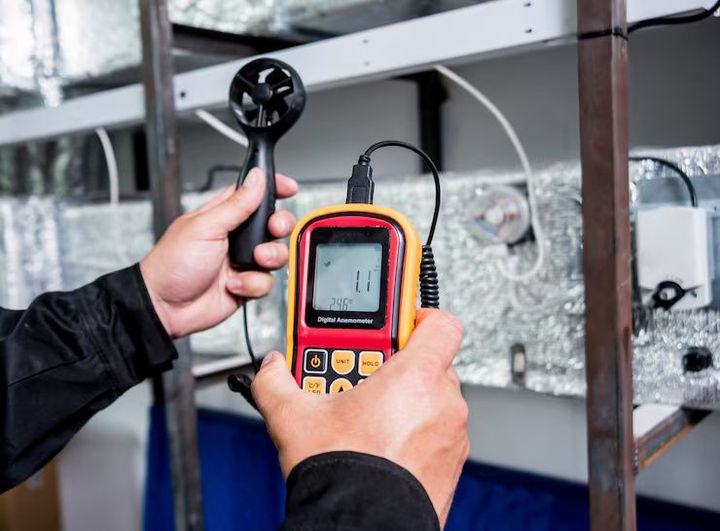
Vibration tools and sensors help technicians capture motion data. Once recorded, the details get studied - revealing signs tied to particular machine problems.
Common vibration characteristics include:
- Frequency
- Amplitude
- Velocity
- Acceleration
- Displacement
Vibration levels give clues about how well factory machines are running. Equipment that spins can show wear when movement changes over time.
Besides spotting problems sooner, machines being watched closely help figure out what's wrong. While tracking performance over time, signs of trouble show up before big failures happen.
Key Types and Categories
Vibration checks shift based on what kind of machine runs and how it behaves while working. Though setup varies, each approach matches its environment closely.
Time Domain Analysis
Looking at how vibrations change can reveal unexpected jolts. When parts shift without warning, the pattern shows it clearly. Movement that isn’t smooth often stands out here. A loose component may show up when timing breaks down.
Time domain analysis is useful for detecting:
- Mechanical looseness
- Impact events
- Shaft instability
- Bearing defects
Frequency Domain Analysis
Beyond the raw shake of machinery, a rhythm appears when vibrations shift into frequencies. Through this lens, problem spots in equipment reveal themselves by their unique signatures. Instead of chasing symptoms, specialists track down issues using these telltale tones.
Frequency spectrum analysis is commonly used in:
- Motor vibration analysis
- Gearbox monitoring
- Bearing condition analysis
- Turbine monitoring
Phase Analysis
When one part moves differently than another, phase analysis spots it. Because of this, misalignment shows up clearly. Movement patterns reveal stiffness changes across components. Where motion lags, trouble often hides. This way, hidden frame weaknesses become visible. So shifts in timing expose underlying flaws.
Beside spotting issues fast, this approach shows up a lot when checking machines that spin.
Orbit Analysis
Spinning machinery often reveals its behavior through how the shaft moves within it. This motion gets examined closely, especially when dealing with fast-moving industrial systems.
Important Subsections
Bearing Vibration Analysis
Beside holding spinning shafts steady, bearings cut down on resistance during movement. When harm comes their way, strange shaking behaviors usually show up fast. Listening closely to those signs gives a clear window into growing flaws or surface cracks before they worsen.
Motor Condition Monitoring
Out of all machine parts, electric motors matter most in factories. When things shake too much, that’s how you spot a wobbly spinning part, weird power issues, or pieces sitting crooked.
Gearbox Fault Detection
From gears to shafts, motion moves through gearboxes. Odd vibrations? They might come from worn parts, missing chunks of metal, or oil that fails its job.
How It Works
Vibration checks on machines stick to a clear sequence when judging how well gear is holding up. A step-by-step path guides each review of moving parts' behavior.
Sensor Setup Begins
Beside parts like shafts and bearings, workers stick vibration detectors onto machines. Sensors go right where movement matters most - on outer areas close to key spots.
Common sensors include:
- Accelerometers
- Velocity sensors
- Displacement probes
Every now and then, these tools record how equipment shifts while running.
Data Collection Begins
Vibration data gets captured by the sensors during regular machine operation. Equipment running as usual means signals are being logged at that time. With things working normally, measurement happens through sensor input. While machines do their standard job, movement is tracked steadily. Normal function allows constant signal collection via sensing units.
Measurements may include:
- Vibration amplitude
- Frequency patterns
- Rotational speed
- Temperature conditions
Signal Processing Step Three
Out of the gathered data, vibrations get broken down through specific methods. Usually, a look at frequencies helps tell one signal pattern apart from another.
Fault Found
Vibration rhythms get matched against familiar problem markers by experts.
Typical machine faults include:
- Misalignment
- Imbalance
- Bearing wear
- Mechanical looseness
- Gear damage
- Shaft defects
Maintenance Planning
Fixing issues early means repairs happen on time, stopping big breakdowns later. When teams spot trouble fast, they act ahead of major damage. Trouble found today prevents machines failing tomorrow. Spotting faults quickly lets crews step in before chaos hits. Early detection gives workers space to respond without panic. Knowing what’s wrong helps plan fixes that avoid disaster.
Predictive maintenance gains strength through this method, while condition-focused upkeep also benefits. Maintenance planning shifts smarter when this approach runs alongside real-time monitoring.
Benefits and Advantages
Machine vibration analysis provides several operational advantages across industrial environments.
Early Fault Detection
What stands out most is spotting issues fast. Before minor flaws turn into major breakdowns, they show up clearly.
Improved Equipment Reliability
Vibration checks on a routine basis keep machines running smoothly, while also cutting down the chances of sudden stoppages. Though often overlooked, these small efforts add up over time, preventing bigger issues before they start.
Better Maintenance Planning
When machines show signs of wear, that is when attention gets directed their way. Efficiency climbs because effort follows need, not a calendar.
Reduced Downtime
Faults caught fast mean machines keep running without surprise halts. Production flows smoothly when problems show up before they grow.
Enhanced Safety
Vibration that isn’t normal could mean something risky is happening inside the machine. Watching how it shakes gives clues - helps keep workers safe while machines run steady.
Energy Efficiency Support
Besides running unevenly, machines facing resistance tend to draw extra power. When shakes get fixed, performance usually climbs as a result.
Longer Equipment Lifespan
Watching things closely while keeping up regular care cuts down on too much strain for parts inside machines.
real world examples and applications
Machine vibration analysis is used across many industries.
Manufacturing Plants
Vibration checks in factories keep motors running smoothly. When problems show up fast, the assembly line keeps moving without delay. Machines like pumps feel unusual shakes before failing - catching that early saves time. Conveyors stay online because odd movements get noticed first. Compressors run longer when small issues are spotted ahead of collapse.
Power Generation Facilities
Vibration checks help track how turbines behave inside energy stations. Generators get examined the same way, relying on movement patterns. Cooling setups follow suit, watched closely through similar methods.
Oil and Gas Operations
Most of the time, machines like pumps spin without stopping inside energy plants. When they shake more than usual, it often means something is wearing down. Watching those movements closely can catch small issues before they grow.
Mining Equipment
Out in the tough zones where mining gear runs, life is rough on machines. Because shaking tells a story, teams track it to check how crushers are holding up, while also watching conveyors, since drill rigs take heavy hits too.
Transportation Systems
Vibrations tell a story when it comes to trains and big machinery - watching how wheels roll, bearings spin, or engines hum gives clues about their health. Instead of waiting for breakdowns, subtle shakes reveal what's happening inside long before failure strikes. Movement patterns shift slightly when parts wear, making early detection possible through careful listening with sensors.
Food Processing Equipment
Mixing bowls hum under watchful sensors while motors spin within careful tracking systems across food plants. Packaging gear moves in steady rhythm, each turn logged to keep daily work flowing without hiccups.
Key Things to Know
Several factors influence the accuracy and effectiveness of machine vibration analysis.
Machine Speed
Vibration patterns shift when rotation speeds change. Because of this, knowing the exact speed matters most for correct analysis.
Sensor Placement
Wrong placement of a sensor can lead to wrong numbers. Close to vital parts of the machine is where sensors need to go.
Operating Conditions
Fresh shifts in heat, weight shifts, or outside elements shift how things shake. Vibrations respond when surroundings change, even slightly. What a machine feels depends on more than just speed - air, stress, or warmth play parts too.
Data Interpretation
Out of stillness comes movement - vibration signals often carry hidden layers. Spotting the real reason machines fail means reading those waves with sharp eyes, not just quick guesses.
Baseline Measurements
What sets a baseline is knowing how much shake comes normally. That way, when numbers change later, someone can spot it fast. A shift might mean something has gone off track inside.
Regular Monitoring
Watching things closely over time sharpens the view of patterns, which in turn makes guessing problems more accurate.
Machine Design
Vibration signals change depending on the machine type. When you know how a piece of gear is built, spotting issues gets clearer.
future trends and industry insights
Vibration checks on machines keep changing alongside new factory tools. Still, updates roll in as tech moves forward. Every tweak follows shifts in how plants operate today.
Smart Sensors
Vibration sensors today run nonstop, feeding clearer information at greater speed. Though built smarter, they capture every tremor without pause. Where older models lagged, these respond instantly. Not only are readings more precise, but gaps between updates shrink sharply. With constant tracking, subtle shifts emerge sooner than before.
Wireless Monitoring Systems
Freed from tangled wires, sensors keep watch without cluttering factory floors. Installation flows smoothly when cables aren’t in the way.
AI Used in Medical Diagnosis
Faults in machinery get spotted ahead of time when smart systems study how things shake. These digital minds learn rhythms through repeated exposure to motion data. Shaking too much? That signal gets remembered for next time. Prediction grows sharper each day thanks to pattern tracking behind the scenes. Equipment behavior teaches the system without anyone stepping in.
Machines stay healthier when tech keeps an eye on them. Accuracy grows through smart tracking between breakdowns.
Industrial Internet Connectivity
Vibration details move through linked machinery setups into central tracking spaces. Where signals flow beyond single machines, oversight becomes wider in scope. From one device to another, pulses travel toward unified views. As measurements shift between units, awareness grows at a system level. Information spreads when equipment talks beyond its own frame. With links active, shaking patterns reach broader analysis zones.
Faster decisions come easier with this method, while also improving how machines are checked. Equipment issues show up quicker because of it.
Automated Fault Detection
Vibration patterns that stray from normal might trigger warnings in today’s machines. Alerts pop up only when something actually shifts beyond expected motion.
Improved Data Analytics
Pulling data into clearer view, these systems let factories track how machines behave over time instead of guessing. With patterns showing up more clearly, scheduling tasks gets less about hunches, more about what's actually happening on site.
Conclusion
Vibration checks on machines reveal how they’re running, spotting issues before they grow. Because of this, factories keep production steady by catching odd movements fast. A shift in rhythm might mean trouble ahead - watching these shifts makes repairs timely. When something vibrates too much, it tells a story about wear others miss. Staying aware means fewer surprises down the line.
Vibration clues reveal trouble early - uneven weight, worn bearings, parts out of line, loose components - all spotted ahead of major breakdowns by sharp-eyed techs.
Because machines need care before they fail, watching how they shake helps spot problems early. Machines last longer when changes are noticed fast, especially as tools get smarter over time. Fewer breakdowns happen if signals are caught ahead of trouble, thanks to better sensors talking to each other now. When gear runs smoothly, work moves without delays, simply because warnings arrive sooner than failures do.
Vibration checks in machines let teams spot issues early, so gear runs smoother while workplaces stay more secure. A little attention here prevents bigger problems later, keeping operations steady without surprises.