Bearing Failure Analysis: Guide to Fault Detection and Maintenance
Bearing failure analysis plays an important role in industrial equipment performance and machine reliability. Bearings are small but essential machine components that help rotating parts move smoothly.
Besides turning up in motors, they show inside pumps. Turbines hold them too, while conveyors rely on their presence. Compressors include these parts, just like most machines made for production work.
Noise might come from a machine when bearings fail, along with shaking or warmth instead of smooth operation. A halt in function often follows if nobody checks the problem early. Efficiency dips happen then, life of gear shortens, upkeep schedules shift without warning. Machines slow down before they quit entirely.
Bearings breaking down can be spotted faster when those who work on machines learn how they fail. This know-how sharpens maintenance predictions alongside boosting system checks over time. Today’s factories rely less on guesswork, instead using heat scans along with movement tracking plus oil testing to catch issues before breakdowns grow worse.
Bearings wear out. Spotting trouble early helps avoid big problems later on. Ways to catch faults include listening closely, checking temperatures, plus tracking vibration patterns over time. Regular upkeep keeps machines running longer than expected. Common issues involve cracks, dents, too much heat, or wrong lubrication choices. New tools are emerging that predict failures before they happen. Technology shapes how teams handle repairs now compared to ten years ago.
Understanding the Concept
Something stops working when a bearing fails, and that's when analysis steps in. Root causes need uncovering so repeats stay avoided. Damage shows clues about what went wrong earlier.
Most times a bearing helps parts slide past one another more easily by cutting down resistance. Little by little, wear shows up on its surface, within the moving pieces inside, or where oil should stay smooth.
Common warning signs include:
- Excessive vibration
- Grinding or clicking sounds
- Increased temperature
- Reduced rotational accuracy
- Metal contamination
- Lubrication breakdown
From time to time, factories rely on condition monitoring setups when checking machines. Information flows out of each device, feeding insights into how well things run. Maintenance crews piece together what is happening inside gear by tracking that flow. Health clues come through steady streams rather than one-off checks.
A single bump in how often things shake might show up during a routine check on a machine. When that happens, it could mean the spinning parts are starting to weaken or slipping out of place. Instead of waiting, workers take a closer look just in case something needs fixing. That way, big breakdowns get avoided before they even start.
When bearings start to fail, spotting it early helps factories act before machines stop working. Not every issue needs a full shutdown - some signs show up long before disaster strikes. Problems found sooner mean less downtime later. Machines keep running smoother when small flaws get attention ahead of time. Catching wear patterns changes how teams schedule repairs. Efficiency climbs when fixes happen on purpose - not by accident.
Key Types and Categories
Bearings fail in various ways, each tied to unique causes. When you recognize these patterns, upkeep of machinery becomes more predictable. Equipment that spins keeps running longer when care is targeted right.
Fatigue Failure
Failing from fatigue shows up when stress repeats across many hours of use. From the start, small breaks appear along the bearing's face. Slowly, these flaws stretch wider over time.
Common signs include:
- Surface flaking
- Pitting marks
- Rough rotation
- Increased vibration levels
When things move fast in factories, motors often give out - the same goes for big machines built to handle tough jobs.
Lubrication Failure
Most times, damaged bearings come from poor lubrication. Without enough grease or oil, parts rub too hard. Friction builds up when there is no smooth layer between surfaces. Heat follows close behind that kind of stress.
Things can go wrong because of:
- Incorrect lubricant type
- Contaminated lubricant
- Insufficient lubrication
- Excessive lubrication
Bearings run hotter when they do not get enough oil. Machine efficiency drops as a result.
Contamination Failure
Besides dust, tiny bits of metal might slip into the bearing. Water sneaks in too, along with harsh chemicals. Rolling parts wear down when these get inside. Precision drops as surfaces degrade over time.
Filth sneaks into worksites where heavy machines chew through rock, steel, and earth each day. Dust coats everything on job sites that never stay clean for long. Factories grinding nonstop wrestle with grime piling up in corners no one sees.
Misalignment Failure
Bent shafts push too hard on one part of the bearings. That stress shows up fast - as shaking, then damage.
Misalignment may result from:
- Improper installation
- Bent shafts
- Loose machine foundations
- Thermal expansion
Laser alignment tools are commonly used to improve rotating equipment alignment accuracy.
Electrical Damage
When electricity flows across a bearing, it might harm the metal parts. Trouble like this usually shows up inside electric motors or setups using variable frequency drives.
Typical symptoms include:
- Electrical pitting
- Surface grooves
- High-frequency vibration patterns
Faulty wiring risks drop when proper barriers block current leaks.
Important Subsections
Bearing Vibration Analysis
Vibration readings often reveal hidden issues inside machinery during routine checks. Sometimes a slight shake points straight to trouble others miss. Through steady monitoring, shifts in movement expose developing faults early. With time, patterns emerge showing when parts start failing. This method stays common because it catches problems before they grow worse.
Vibration clues show up when sensors watch how machines move, spotting anything out of place. Not every shake means the same thing - certain rhythms point to specific bearing issues.
For example:
- Vibration at high frequencies can point to cracks on the surface
- When impacts happen again and again, they can point to harm in moving parts
- Unbalanced vibration may suggest shaft problems
Vibration sensors often show up in plans that catch machine problems early. These tools help teams spot wear before failure happens by tracking how equipment shakes during operation.
Thermal Inspection Methods
Heat from spinning parts can show up clearly through infrared scans.
Most of the time, a well-maintained bearing stays cool during operation. When something goes wrong - like loss of oil or dirt getting in - the heat starts building up instead.
Spotting hot parts fast is what thermal cameras do for repair crews.
Lubrication Condition Monitoring
Lubricant condition monitoring helps evaluate oil or grease quality.
Technicians often inspect:
- Viscosity changes
- Metal particles
- Moisture content
- Oxidation levels
Because machines get checked regularly, problems show up early. When issues are caught fast, repairs happen before big damage occurs. Equipment runs longer when small fixes add up over time. Spotting trouble ahead means less wear overall.
How It Works
Start by looking closely at how the bearing came apart. Step two means checking for marks that tell what went wrong. One clue often leads to another, revealing hidden issues. Every detail counts when piecing together the full story. The method stays steady, no matter the machine type. Finding the true reason takes patience, not guesses.
Initial Inspection
Machines get a look-over by maintenance crews right away. Then eyes check every part before anything else happens.
They look for:
- Noise
- Heat
- Oil leakage
- Surface damage
- Vibration changes
Right off, early signs can point to what's going on. Clues start forming before full analysis kicks in.
Data Collection Begins
Technicians collect machine condition data using diagnostic tools.
Common tools include:
- Vibration analyzers
- Thermal cameras
- Ultrasound detectors
- Oil analysis equipment
Fault detection gets sharper when data piles up over time. Gathering information step by step sharpens how clearly problems are spotted.
Bearing Removal Process
A piece of worn metal slips out after tapping it free. The old part comes loose when nudged just right.
Experts inspect:
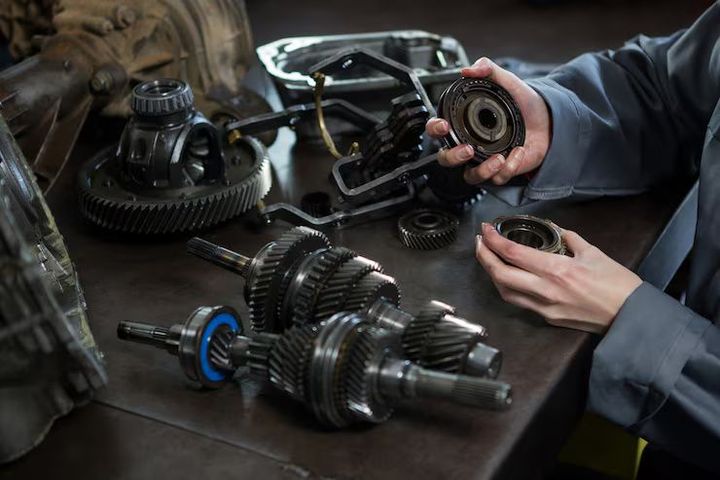
- Raceway surfaces
- Rolling elements
- Bearing cages
- Lubrication residue
Physical damage patterns help identify the failure source.
Find the Real Cause
Faults get spotted first, then workers figure out what really went wrong.
Examples include:
- Contamination intrusion
- Excessive load conditions
- Improper lubrication practices
- Installation errors
Finding the real reason behind problems stops machines from failing again.
Maintenance Planning
Figuring out the root problem leads maintenance crews to adjust how things run. Procedures shift after teams pinpoint what went wrong.
This may include:
- Better lubrication schedules
- Improved shaft alignment
- Enhanced contamination protection
- Regular condition monitoring
Fixing things early keeps machines running longer. When gear works better, jobs get done faster.
Benefits and Advantages
Bearing failure analysis provides several important advantages for industrial operations.
Improved Equipment Reliability
Pieces start failing less when problems show up sooner. Because of that, making things keeps going without hiccups. Machines run steady most days.
Better Predictive Maintenance
Equipment issues show up early when factories keep an eye on machines day by day, rather than waiting for fixed checkups.
Extended Machine Lifespan
Machinery lasts longer when care is taken regularly. Wear diminishes because routines keep parts working smoothly.
Reduced Energy Consumption
When bearings wear out, moving parts face more resistance, using extra energy. Smooth bearings cut down effort needed to spin components, drawing less electricity.
Safer Industrial Operations
When issues show up fast, machines stay safer. Fixing things before they worsen cuts down on breakdowns. Spotting trouble ahead of time means fewer surprises later. Early warnings keep gear running without sudden failures. Problems caught sooner mean less chance of harm.
Better Maintenance Planning
Because of diagnostic data, maintenance teams sort which checks need doing first. What shows up in the reports guides when work gets scheduled. Insights from systems help decide what tasks move ahead. When details point to trouble, actions follow faster. Information shapes how time gets spent on upkeep.
real world examples and applications
Bearing breakdown checks show up everywhere from factories to wind turbines. Machines wear down, experts step in, they figure out why. Each field uses these findings a bit differently. Problems repeat themselves, answers change based on context.
Manufacturing Plants
Vibration checks help factories keep an eye on conveyor motors, while also watching pumps along with industrial fans.
A single bump in the rhythm of a conveyor’s motor could catch attention at a packing site. Before anything slows down, signs show up where you might not expect - inside the hum of machinery. A shift in movement speaks long before problems reach the line. Bearings whisper changes through tiny shakes others overlook. This kind of signal arrives early, hidden in motion. When noticed, it keeps things moving without delay.
Wind Energy Systems
Vibrations never stop inside spinning wind turbines. Because of that, checking bearings can catch problems in gearboxes before they grow. A small warning might reveal trouble in the generator down the line.
Automotive Industry
Every now then, check the parts inside wheels and motor just so things roll right plus stay safe on road. While moving, these pieces wear down without warning yet spotting issues early helps avoid trouble later during travel.
Power Generation Facilities
Thermal readings help power stations keep tabs on turbine health. Generators stay in motion smoothly when oil conditions get checked regularly. Monitoring heat patterns prevents sudden breakdowns. Fluid inspections catch wear before damage spreads.
Mining Equipment
Dust tends to sneak into mining equipment during operation. Because of this, checking what gets inside bearings can make machines last longer.
Key Things to Know
Several factors influence bearing performance and maintenance success.
Proper Installation
Mistakes during setup might ruin bearings right away. That means correct tools matter just as much as careful positioning. Without them, problems start fast.
Lubrication Selection
Some gears need thicker fluids, others run better thin. Picking the right lube keeps parts safer over time.
Operating Environment
Bearings wear down faster when it is hot or damp. Moist air sneaks in alongside tiny dirt particles. Chemical fumes creep through the air slowly. Each condition pushes stress on moving parts. Life shortens without clean, stable surroundings.
Load Conditions
Heavy forces push too hard on bearings, so they wear out faster. Stress builds when machines carry more weight than designed, making parts fail sooner.
Maintenance Frequency
Spotting tiny problems early means big repairs might never happen. A quick look now then can save a lot later down the road.
Monitoring Technology
Sensors spot problems faster now because tech has moved ahead. Machines talk more clearly when they’re about to fail - thanks to smarter tracking tools. Alerts come sooner since updates shaped better detection methods. Efficiency grows not just by fixing things quickly but also by predicting issues before they grow.
future trends and industry insights
Bearing breakdowns get studied differently now, thanks to new factory tools. Still changing, slowly shaped by today’s machines.
Smart Condition Monitoring
Now machines stay under watch without wires. Vibration gets checked nonstop by smart gadgets. Temperature changes show up instantly through invisible links. Lubrication status flows into screens while things run. Real-time clues come from tiny monitors stuck on metal bodies.
AI used in medical diagnosis
Finding weak spots before they break - that is what machines get better at when learning from past behavior. Patterns show where trouble might start, giving time to step in ahead of collapse.
Faults get spotted faster because machines learn from patterns over time. Less hands-on checking is needed when smart tools handle routine monitoring tasks instead.
Industrial Internet of Things
Out there, machines talk to central systems through Industrial IoT. Remote access lets maintenance crews check machine details without being onsite.
Advanced Lubrication Monitoring
Precise detection of impurities and worn fragments becomes possible through today's oil testing methods. A clearer picture emerges when labs examine fluid samples using advanced tools. Tiny signs of damage show up earlier than before thanks to improved sensitivity. Results shift how teams respond to early warnings in machinery health. Equipment life extends slightly under such watchful monitoring conditions.
Digital Maintenance Systems
Out in the field, digital tools keep track of checks, past repairs, and upcoming upkeep without clutter. Equipment logs stay clear when software handles dates, findings, plus service trails behind machines. With every update, records grow more reliable - no paper piles, just smart tracking built into daily work.
Machines keep running longer now, thanks to smarter fixes shaped by global changes. Maintenance plans evolve differently almost everywhere, pushed forward through real results seen on factory floors.
Conclusion
Even though tiny, bearings decide how well machines run. Spotting why they fail matters in keeping factories going. Their job might seem minor, yet without them things grind to a halt. Watching their wear helps prevent bigger breakdowns down the line.
Most problems - like worn bearings, dirty parts, weak spots, or crooked fittings - show clear signs if you know where to look. Watching how machines shake, tracking heat patterns, plus checking oil condition makes spotting trouble far more reliable.
Predicting breakdowns before they happen is becoming normal in factories, thanks to constant tracking of spinning machinery. Machines that learn over time start spotting odd patterns long before failure shows up. What used to require guesswork now runs on steady streams of sensor data. Smarter alerts pop up when something shifts even slightly out of rhythm. Over months, these systems get better at knowing what comes next. Efficiency climbs not by chance but through timely fixes. Future upkeep won’t wait for alarms - it’ll act earlier, quietly adjusting behind the scenes.
Bearings last longer when cared for well, which quietly boosts how long machines run without trouble. A small effort here means systems sip power instead of gulping it down. Safety slips through unnoticed until something fails - good upkeep keeps that risk low. Machines behave better over years when their bearings aren’t ignored.