Robotics in Packaging: Guide to Automation and Efficiency
Robotics is changing the packaging industry in many ways. Modern factories now use advanced machines to handle packaging tasks with greater speed and accuracy.
With robotics in packaging, workflows get smoother because machines take over repetitive tasks. Machines step in where hands used to work, cutting down on human effort. Quality stays steady when robots handle assembly and sealing. Instead of relying on shifts and schedules, automated systems keep pace without slowing. Consistency shows up most when each package looks just like the one before it.
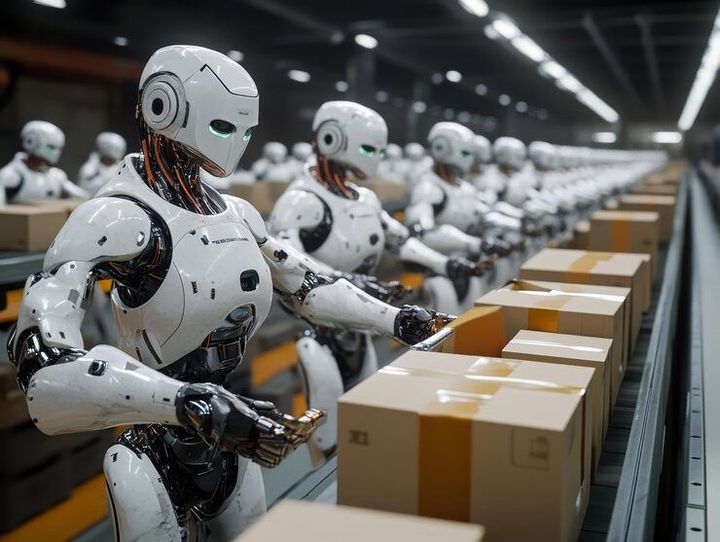
Robotic arms line up at factories where snacks, pills, gadgets, lotions, and household items get made. Day after day they repeat the same moves - steady, exact, never slowing down. Machines take over tasks that once needed human hands, doing them faster now. Output climbs because these helpers do not pause, blink, or tire. Precision stays locked in even when speed ramps up. Each movement follows a pattern set long before the first box arrives.
When factories need more output, machines that pack goods start showing up everywhere. These robotic helpers never stop unless they must rest for maintenance checks. Handling fragile products comes naturally to them because their movements stay precise every single time. Switching between various box sizes or wrapping styles happens without delays slowing things down.
From sorting items to sealing boxes, machines now handle much of what people once did by hand. Though built differently, most rely on arms that move with precision. Some follow set paths while others adapt using sensors. Efficiency often improves when tasks run without stopping. Over time, updates keep systems aligned with new demands. What comes next may involve smarter coordination across entire warehouses.
Understanding the Concept
From start to finish, robotics takes charge of how items get packed. Moving things around becomes smoother when machines step in to sort and shift materials. Containers fill up fast because robots position each piece with care. Sealing comes right after, done without pause by steady mechanical hands. Labels appear neatly, stuck on by arms built for precision. Shipping prep wraps it all up, handled quietly behind the scenes.
Robots handle jobs once done by hand in many places today. Though people still pack things manually at certain spots, machines speed through duties faster than before.
From a control standpoint, packaging bots follow coded directions while relying on sensor feedback. Moving things precisely becomes possible once items are recognized by the system. Without constant oversight, repeated tasks get done smoothly - interruptions rarely occur. Precision comes alive when movement aligns with detection.
Common packaging activities handled by robotics include:
- Picking and placing products
- Filling containers
- Carton packing
- Pallet stacking
- Wrapping and sealing
- Sorting and labeling
- Quality inspection
Robotic packaging machines often pop up across sectors, drawn by steady performance when handling large output demands. A growing number rely on automation simply due to fewer hiccups during long runs. Speed isn’t the only reason - uniformity plays a big role too. Firms facing round-the-clock cycles find these systems keep pace without wearing down. Consistency under pressure makes them stand out from manual methods.
Types of Keys
Robots of various kinds handle tasks in packaging settings. Depending on the job, one kind might move items while another seals containers.
Articulated Robots
Rotating joints give articulated robots their range of motion, making them bend and turn easily. Much like a person's arm, they take on similar shapes through design choices.
These tools often handle tasks like
- Palletizing
- Heavy lifting
- Case packing
- Material handling
Out in storage centers, flexible setups move goods along with steady rhythm. These linked mechanisms also handle tasks on production belts where boxes get packed.
Delta Robots
Speedy by design, delta robots tend to be mounted overhead near conveyor belts. Their light build helps them move with remarkable quickness.
These robots are ideal for:
- Food packaging
- Sorting lightweight products
- High-speed picking operations
Faster movement lets them fit into work areas where things happen quickly.
Cartesian Robots
Sliding step by step, Cartesian robots follow exact lines - up, down, sideways. Their motion sticks strictly to right-angle directions. Each movement cuts cleanly across one axis at a time. Not curved, never diagonal, just grid-based precision guiding every shift.
Perfect when you need them for:
- Accurate placement tasks
- Box filling
- Organized product movement
Out in factories where exact placement matters, you’ll spot these setups quite a bit.
Collaborative Robots
Working next to people is what collaborative robots - often known as cobots - are built for.
These include things like running programs, managing tasks, handling operations
- Small-item packaging
- Inspection tasks
- Repetitive assembly operations
These robots fit into tighter spots, so factories find them useful when tasks shift often. Their size helps teams rearrange work areas without major changes.
Important Subsections
Vision-Guided Robotics
Nowadays, plenty of packaging robots come equipped with cameras along with sensors. Thanks to these parts, the machines can spot how a product is shaped, which way it faces, plus where it sits.
A single item shifts position unexpectedly, yet the machine still grabs it mid-motion, setting each one straight inside the box. After that move, precision stays locked in, even when placement varies every time. One by one they line up, guided not by chance but constant adjustment.
Conveyor Integration
Robots in packaging usually team up with conveyors to move items along. As goods travel on belts, machines sort them out, fill containers, or pile boxes neatly. Sometimes they slide things into place - other times they lift and arrange without a pause.
With this setup, packaging runs more smoothly while team tasks link together better.
End-of-Line Automation
Wrapping up at the finish line means goods get boxed after production wraps. Packaging happens right before items head out for delivery.
Here, you might find things like
- Carton sealing
- Label placement
- Pallet stacking
- Stretch wrapping
Packaging jobs at the tail end of manufacturing often run on robot systems.
How It Works
Robots that handle packaging move using motors guided by electronic brains. Sensors feed real-time data so adjustments happen on the fly. Instructions stored inside tell each arm when to lift or release. Movement flows step by step, triggered by feedback loops. Machines adapt mid-task thanks to constant input checks.
The general process usually follows these steps:
1. Product Detection
Out of sight, a camera spots each item arriving on the conveyor. A sensor kicks in the moment something moves into range. As things roll forward, detection happens without touch. When an object appears, electronics take note instantly. Near the assembly path, silent watchers track every piece that passes by.
Information flows into the setup, including details like:
- Product size
- Shape
- Position
- Orientation
2. Data Processing
Information comes in. The machine brain checks what it finds.
It determines:
- Movement path
- Picking position
- Placement direction
- Packaging sequence
3. Robotic Movement
Starting with a quiet hum, the machine moves through its task by means of powered gears and flexible pivots. Ending each motion smoothly.
This may involve:
- Lifting products
- Placing items into trays
- Stacking boxes
- Organizing packages
4. Packaging Completion
From there, packages head into what comes after in making them. Next steps follow once they arrive where needed.
Additional robotic systems may handle:
- Labeling
- Wrapping
- Palletizing
- Inspection
5. Monitoring and Adjustment
Robots today wrap products using smart tools that watch how well they work. These machines notice tiny mistakes while moving fast through tasks.
Should the factory need different setups, workers tweak robot controls to handle varied item dimensions or kinds. When what's being made shifts, staff modify how machines manage fresh shapes or categories of goods. With changes in output demands, those running things alter automation details for differing container sizes or versions. As needs transform, people reset equipment behavior for alternate forms or sorts arriving on line.
Benefits and Advantages
Robotics brings several practical advantages to packaging operations.
Improved Speed
Out of nowhere, packaging robots keep going without pause, hitting every mark. Because of that steady pace, factories move more products without slowing down.
Better Consistency
Following set commands exactly is what robots do best. Because of this, packages turn out more alike, with fewer differences showing up across items.
Reduced Manual Repetition
Working through packaging often means doing the same motion again, yet machines repeat them without tiring, which lessens stress on human bodies.
Flexible Packaging Operations
Robots today handle various package types, adjusting easily to different item dimensions. One machine fits many shapes, shifting smoothly between setups. Size changes? No problem - automation adapts without delay. Different boxes, varied contents, all managed steadily. Flexibility builds in from the start, allowing constant flow regardless of form.
When demands shift, factories adjust their assembly workflows without much trouble.
Enhanced Product Handling
Packed tight, fragile things like jars or gadgets need a steady hand. Food stuffs too - best moved slow. Bumped corners? Not an option when circuits or seals are inside.
With careful motion, packaging robots handle fragile things accurately. Though built strong, they move gently when needed. Their actions stay exact each time without fail. By adjusting force subtly, these machines protect what they carry. Even at speed, their touch remains light and sure.
Improved Space Utilization
Inside tight spaces, robots get work done. That setup lets factories arrange machines with better flow.
Better Workflow Coordination
Robots working together might link different parts of packing work into one smooth flow.
Batches move faster once sealed. Slowness fades when wrapping finishes quicker.
real world examples and applications
Across the globe, machines handle tasks inside packing facilities. While automation takes charge where humans once worked by hand.
Food Processing Industry
Food manufacturers use packaging robots for:
- Snack packaging
- Beverage carton handling
- Frozen food sorting
- Bakery product placement
Speed makes delta robots a common sight in food factories. Their quick movements suit fast-paced packaging lines well.
Pharmaceutical Packaging
Packing medicine needs precision, cleanliness matters just as much. Machines must stay spotless while measuring doses correctly every time they run.
Robotic systems help with:
- Bottle packaging
- Medicine carton handling
- Label placement
- Product inspection
Precision is extremely important in this industry.
Electronics Manufacturing
Packaging for electronics usually holds parts that break easily.
Packaging robots carefully handle:
- Circuit boards
- Mobile device components
- Consumer electronics
- Precision instruments
Vision systems improve handling accuracy.
E-Commerce Distribution
Large fulfillment centers use robotic packaging machinery for:
- Parcel organization
- Carton preparation
- Shipping arrangement
- Pallet stacking
Faster order handling happens when machines take over tasks in today’s shipping hubs.
Cosmetic Product Packaging
Cosmetic manufacturers use robotic systems for:
- Bottle arrangement
- Container filling
- Decorative packaging
- Product sorting
Machines keep packages looking neat on shelves. Sometimes they adjust how items sit so nothing seems messy. Their work makes sure displays stay tidy without needing constant human attention.
Key Things to Know
Before implementing robotic packaging automation, manufacturers must consider several important factors.
Product Characteristics
Different products require different robotic handling methods.
Factors include:
- Product weight
- Fragility
- Shape
- Packaging material
Fitted for tough jobs, machines handling heavy industry gear must be built tougher than those managing everyday light goods.
Production Volume
Faster robots, along with smart timing controls, often keep up with rapid manufacturing speeds. Sometimes it's the pace of the line that demands tighter sync between machines.
How things are made shapes which robots get picked.
Facility Layout
Packaging robots must fit within existing production environments.
Manufacturers often evaluate:
- Floor space
- Conveyor placement
- Safety zones
- Workflow direction
Maintenance Requirements
Machines built to move on their own need frequent checkups, otherwise they start failing when needed most. Maintenance keeps them running without surprise hiccups later down the line.
Maintenance may include:
- Sensor calibration
- Motor inspection
- Mechanical cleaning
- System testing
Worker Training
How robotic systems work needs to be clear to those operating them.
Training usually covers:
- System monitoring
- Basic troubleshooting
- Safety procedures
- Workflow adjustments
When workers learn well, things run more easily.
future trends and industry insights
Robots handling boxes today won’t look the same tomorrow. Change moves fast in how machines wrap, sort, and load containers.
Several important trends are shaping the industry.
Artificial Intelligence Integration
Machines think quicker now because software learns on its own.
AI-supported systems can improve:
- Product recognition
- Error detection
- Motion efficiency
- Packaging accuracy
Flexibility grows when packaging setups can shift easily.
Smarter Vision Systems
Fine-tuned lenses help robots spot objects more clearly. Motion-sensing chips adjust placement without delays. Smarter visuals mean fewer errors during movement tasks.
One day, machines might fold boxes in trickier ways - yet still hit every angle just right.
Increased Collaborative Robotics
Robots that work alongside people now show up often in places where products get packed.
Workflows become more adaptable because these setups allow smoother teamwork. Human involvement fits better when the system bends instead of breaks.
Sustainable Packaging Operations
Now comes a sharper eye on how packages fit together, along with smarter choices in what they’re made of.
Built to handle materials with exactness, robotic systems cut down on extra packaging. Precision in movement means less trash ends up piling up afterward.
Advanced Data Monitoring
Modern robotic packaging machinery increasingly uses connected monitoring systems.
What these setups reveal includes:
- Production performance
- Equipment efficiency
- Operational consistency
- Packaging accuracy
Picking through numbers helps shape how things get made. A clearer view of info guides when stuff rolls out.
Flexible Manufacturing Environments
One day, factories could run on robots that shift easily between different package types. These machines might switch tasks without needing big adjustments. Smooth transitions come from smart design instead of extra labor. Flexibility builds into the system so changeovers feel almost effortless. New setups appear overnight, yet nothing seems disrupted. Operations flow even when formats differ widely. Minimal downtime marks each transformation. Equipment responds like it knows what comes next. Automation adapts before anyone asks.
Fewer things matter now that choices keep multiplying on shelves. Still, being able to shift easily stays near the top.
Conclusion
Now machines help pack things faster than before. Because of robots, making snacks or gadgets goes smoother every step along the way.
Out of nowhere, robotic systems speed up how goods are boxed, handled, tied together through exact movements and flexible setups. These machines tackle monotonous jobs without error, quietly easing pressure on factories facing heavier output loads.
Robots that pack things might get better at adapting, simply because tech moves fast. Smarter software could let machines see and react, changing how factories wrap products. New kinds of teamwork between humans and robots may quietly shift what automated packing looks like. Vision tools combined with learning programs stand to push these systems further, slowly. Flexibility might grow where it matters most - right on the production line.
When you see what drives these setups, makers and teams adapt more smoothly to shifts in packaging tech along with newer machine-driven methods. People running operations gain clarity by recognizing patterns behind automated workflows instead of reacting after changes hit.