High Speed Packaging Lines: Types, Working Process, and Industrial Benefits
High speed packaging lines play an important role in modern manufacturing and industrial production. These systems help factories package products quickly, accurately, and consistently.
Fresh meals, drinks, medicines, gadgets, one-time-use items - each needs smart wrapping solutions just to keep up with daily output demands. Machines hum nonstop where speed matters most, handling loads that never slow down. Factories push round-the-clock cycles, their rhythm tied tightly to how fast packages move. Without high-speed setups, delays pile up before products even leave the floor. Efficiency hides inside sealed boxes, taped edges, stacked layers moving without pause.
From start to finish, a packaging line links machines so items move smoothly between steps. Moving along, each product gets filled, then sealed without delay. Labels go on next, followed by checks to spot any issues. After inspection, everything heads into its final container. Efficiency grows when tasks follow one after another like this. Industries rely on this rhythm to keep output steady.
Faster packaging needs have grown lately, so factories now lean on machines that work with tighter accuracy. Machines run smoother, waste less stuff, because smart setups handle the jobs. More industries find these systems fitting into daily work without much fuss. Over time, what once seemed like extra tech is just how things get done.
Understanding the Concept
Speedy packaging setups work fast without losing precision or harming item condition. Machines take over most tasks once done by hand. Through every step, conveyors carry goods along smoothly. Automation keeps things moving instead of waiting for people. Each phase links to the next with little pause. Equipment handles sorting, wrapping, sealing in quick succession. The flow stays steady even under heavy load. Precision timing replaces human decisions at key points. Products emerge sealed and ready much quicker than before. Consistency comes from machine rhythm rather than worker speed.
Most of these setups exist to speed up how things get made. Take a plant that handles snacks - it might seal countless bags each hour, all thanks to automated packing lines. Doing that much by hand? Slow going, nearly impossible.
A typical automated packaging line includes several connected components:
- Conveyor belts
- Filling machines
- Wrapping systems
- Labeling units
- Inspection equipment
- Carton packing machines
- Palletizing systems
One task fits each machine, yet they link into a single flow. When they move, it is in steps that match - no piece ahead, none behind.
Key Types and Categories
Some fields pick containers based on what they're shipping, how much they make, along with the stuff used to wrap it. While others adjust their wrapping method when output shifts, influenced heavily by item shape or material traits.
Conveyor-Based Packaging Lines
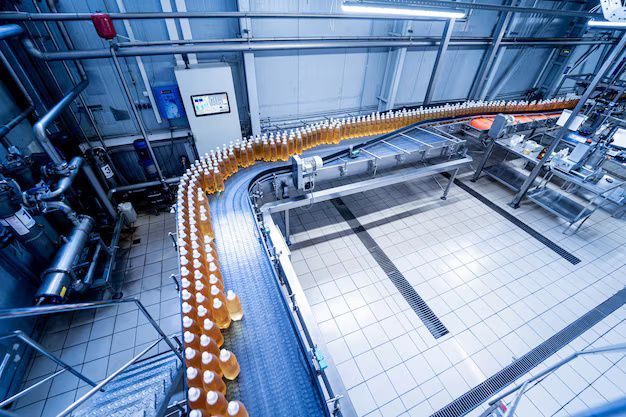
Products move between stages on conveyor belts inside these setups. Found often in places that make drinks, chips, or medicine. One step leads to the next without needing hands. Motion keeps things flowing through each area.
Advantages include:
- Smooth product movement
- Faster production flow
- Reduced manual handling
- Better organization
Robotic Packaging Lines
Out of reach for human hands, robotic arms move with sensor-guided accuracy. Where tiny parts matter most - like in making phones or surgical tools - machines take over without pause.
Robots can:
- Pick and place items
- Sort products
- Pack cartons
- Stack packaged goods
Food Packaging Systems
Wrapped in careful layers, a food packaging line handles only items meant to be eaten. Clean conditions matter most here, so every part stays free of contamination. Temperature shifts get watched closely throughout the process. Freshness holds steady because each stage moves without delay.
Common examples include:
- Frozen food packaging
- Bakery product packaging
- Snack packaging
- Beverage bottling
- Dairy product packaging
Stainless steel tools show up here because they wipe down without trouble. Cleaning goes quicker when surfaces resist grime buildup.
Flexible Packaging Lines
When needs shift often, makers pick setups that adjust easily. These systems work smoothly with various shapes and kinds of items.
Perfect for these setups:
- Multi-product factories
- Seasonal product packaging
- Consumer goods industries
Vacuum and Sealing Lines
Inside sealed bags, machines suck out air first. Freshness stays longer because of that step. Food lasts more time when packed this way.
People often use these lines when they need them for tasks like
- Meat products
- Coffee packaging
- Dry food items
- Medical supplies
Important Subsections
labeling and coding units
Out of sight but never slowing down, machines slap labels on packages with steady precision. Right after, inkjet printers stamp each item - batch codes, dates, trace details - all fused into the surface in fast bursts.
Inspection Systems
From time to time, inspection tools scan packages while things are being made. If something looks off - a tear, a smudge, a label that doesn’t match - cameras catch it first. Damaged goods often show up right there on the line. Missing items? Those get spotted too, long before shipping ever begins.
End-of-Line Packaging
After boxing items comes arranging them neatly on skids. Then they line up ready for moving or sitting tight in storage spaces.
How It Works
From start to finish, a fast-moving packaging system moves through stages without stopping. Each phase flows into the next, keeping things running smoothly. One stage leads directly to another, maintaining steady motion throughout. Movement never halts, driven by precise timing at every point. The sequence repeats itself nonstop, built for constant activity.
Product Feeding Begins
Into the system, items arrive via conveyor belts or automated feeders. Once inside, alignment ensures they sit just right - only then do they advance further.
Bottles at a drink production site might slide by themselves onto a moving belt.
Filling Process
Pouring tools drop just enough stuff into boxes or bottles. Depending on what’s inside, the way it flows changes how it's added.
Examples include:
- Liquid filling
- Powder filling
- Granule filling
- Paste filling
Filling precision stays steady thanks to sensor input.
Seal and Close
Once filled, packages advance toward sealing units. Lids appear first, followed by caps or wrapping material settling into place. Some rely on heat to fuse edges shut. Others pull air out before locking closed. Pressure steps in where neither heat nor suction fits the task.
Sealed tight, the item stays safe from outside gunk sneaking in. A good closure blocks dust, moisture, even sudden temperature swings without drawing attention.
Labeling and printing step four
A label appears, along with a date when made, code number, followed by tracking info. Right after, fast machines print each piece without slowing down.
Final Check
Checking happens through inspection setups that confirm how good a package is. These tools find issues like missing items, damaged boxes, uneven seals - spotting what needs fixing during production flow
- Incorrect package size
- Missing labels
- Seal problems
- Damaged containers
Machines spot bad items fast - those get pushed aside without delay.
Final Packing Step Six
Piled high by machines, finished items go into cartons or boxes. Pallets get loaded through robotic arms so warehouses can move them around.
Benefits and Advantages
Faster packing lines mean smoother workflows, along with fewer delays during output. Machines handle volume better while cutting down on idle time between tasks.
Increased Production Efficiency
Speed picks up when machines handle packing instead of people. Needs grow - factories keep pace because of it.
Improved Product Consistency
From start to finish, machines handle packaging size without variation. Sealing stays even every single time. Labels line up right, always placed the same way. A steady look builds stronger impression on shelves.
Reduced Material Waste
Out in the field, high-end setups rely on exact sizing along with careful wrapping techniques. These steps cut down waste by trimming unnecessary wrap and lowering spillage during handling.
Better Workplace Safety
Machines handle the dull jobs, freeing up people to watch operations closely. Instead of lifting loads by hand, employees shift attention to checking standards now.
Faster Product Handling
Pacing never breaks as items pass steadily into their wraps. Without long waits, things line up smoother on the floor while storage spaces stay neater by design.
Enhanced Hygiene Standards
Cleaner spaces matter when making medicine or food. Machines take over tasks people used to do by hand. Fewer hands touching items means fewer chances for contamination. This shift helps keep things safe without extra effort.
Easier Production Monitoring
From inside the system, tiny sensors feed live updates to screens nearby. These eyes on the machines show exactly how fast things run or where hiccups appear. Workers watch trends unfold minute by minute instead of guessing. Information flows without delay when alerts pop up ahead of breakdowns. Each detail helps keep pace steady across shifts.
Examples From Real Life
Faster packing setups see work across global sectors.
Food Industry
Out of every ten snack makers, most rely on automated packaging lines to seal chips quickly. Biscuits follow a similar path through those machines too. Frozen dinners move along conveyor belts just before wrapping happens. Candy gets tucked into bags at high speed by these same systems. Efficiency drives each step, though the pace never slows.
A single potato chip plant might handle countless bags each hour, thanks to machines that weigh, fill, then seal without pause.
Beverage Industry
Bottles move fast through machines that pour liquid, seal tops, stick labels on them - then bundle everything up. Each step happens without stopping, one after another, keeping pace with demand inside these plants.
Steady output sticks around when these lines handle big rollout phases. Production keeps moving because they step in during heavy handoffs.
Pharmaceutical Industry
Out of nowhere, machines seal pills into packages - precision matters when lives depend on correct labels. Though it runs fast, each step watches temperature and moisture like a hawk. Instead of hands, robotic arms sort capsules one by one under sterile air flows. Even slight errors? They get caught before anything leaves the room.
Consumer Goods Industry
Out of sight but never out of mind - soap makers, battery builders, detergent blenders, and home goods creators lean on packaging lines to keep things moving smoothly. These setups bring order where chaos could easily take hold, quietly boosting how much gets done each day.
Electronics Manufacturing
Handling electronic parts needs steady care. Machines step in where fingers might fail, shielding fragile pieces through packing and shipping.
Key Things to Know
Several factors influence the performance and efficiency of packaging systems.
Production Volume
Equipment choice depends on how much a factory plans to produce. Tiny setups might need only tight, minimal machines. Big plants usually run entire connected workflows instead.
Product Type
Some items call for unique ways to be packed. Take liquids - they demand careful handling through tailored machines. Breakable things? They rely on gear built just for them. Even powders move best when processed by specific tools.
Packaging Materials
Packaging lines may work with:
- Plastic containers
- Glass bottles
- Metal cans
- Flexible pouches
- Paper cartons
How strong it is changes how machines are built along with ways they close. What kind of stuff you start with shapes both the tools used plus how tightly things get shut.
Maintenance Requirements
When gears stay clean, they tend to last longer. Yet skipping checks might mean sudden stops on the floor. Lubricating parts at quiet times keeps things moving when pressure builds. Even small attention holds back bigger failures later.
Energy Efficiency
Fuelled by efficiency, today's factories shift toward lighter power demands. Inside these setups, clever controls often guide high-performance motors that sip electricity instead of gulping it.
Space Planning
Inside any factory, how things are placed really matters. A smart setup of machines keeps products moving smoothly through the building. This kind of arrangement cuts down on extra steps workers take during production.
Future Trends and Industry Insights
Faster machines shape how products get packed these days. New systems respond on their own, adapting without waiting. Factories think differently now when wrapping goods for shipment.
Smart Automation
Fresh setups now lean on clever sensors that talk to each other, watching things as they happen. Because of this link, spotting how machines run gets clearer moment by moment. Tracking what rolls off the line gains sharper detail through constant data flow.
AI in packaging
When something goes wrong in manufacturing, artificial intelligence spots it fast. Inspection gets sharper because smart software adjusts on its own. Machines run better when settings fine-tune without waiting.
Sustainable Packaging Solutions
Across different sectors, companies now test greener options for wrapping products. Some shift toward lighter builds while others pick reusable substitutes. A growing number favor containers that can reenter production cycles instead of piling up waste.
Advanced Robotics
Robots on tomorrow’s packaging lines might bend their tasks easily. One machine could switch between products without needing big changes. Flexibility becomes key when dealing with different items. Less tinkering means smoother runs across varied goods. These systems adapt fast, fitting new shapes quickly. Handling diverse packages feels almost natural over time. Minimal tweaks keep things moving without delays.
Digital Monitoring Systems
Right now, live updates on output, equipment status, and workflow performance appear through digital screens used by makers. Machines talk without words - light shows reveal hiccups before breakdowns happen. Screens glow with numbers shifting second to second. What once took hours to spot now flashes instantly. These views help teams adjust while things run instead of after chaos hits. Speed changes color when bottlenecks form near assembly arms. Every alert skips paper trails, jumping straight into view.
Compact modular designs
Pieces snap together like blocks, shaping fresh setups. Because of that, change flows smoother inside factory walls.
Conclusion
Faster packaging setups now play a key role in today’s factory work. With these tools, companies handle more volume while keeping results steady through smoother daily operations.
Out of nowhere, machines now handle what people once did by hand - stacking boxes, sealing wrappers, moving containers. Instead of relying on manual labor, factories use smart systems that adjust speed based on output needs. These setups keep errors low even when running nonstop through shifts. One mistake less means fewer spoiled batches ending up discarded. Over time, consistency becomes normal, not something celebrated. Efficiency shows up quietly, hiding in smooth motions and timed sequences.
When machines evolve, so do boxes that wrap products - growing sharper, using less power, shrinking waste. Seeing inside their function lets factories move faster, stay steady amid market shifts. New tools bring tighter control, fewer breakdowns, smoother runs when demand jumps. Clarity on mechanics means fewer errors during high-speed output. As needs shift overnight, flexible gear keeps pace without lag.