Robotics Safety Systems: Guide to Industrial Safety and Automation Protection
Robotics safety systems play an important role in modern industrial environments. Factories, warehouses, and production facilities increasingly use robotic equipment to improve accuracy, speed, and workplace protection. As automation expands across industries, understanding robotics safety becomes more important for workers, engineers, and facility managers.
Heavy-duty machines often do the same job over again, shift big loads, yet work nonstop even in tough spots. Still, if guards are missing, those arms might harm people close by or damage tools around them. Watching how they move helps keep things safe, stops sudden actions, avoids risky moments before they happen.
Fences around machines now work with smart detectors that watch for trouble before it happens. Because of these tools, factories keep running without ignoring worker safety rules.
Understanding the Concept
When robots move, safeguards watch closely. Instead of just reacting, they predict possible dangers ahead of time. A sudden shift in space might trigger a pause. Human steps nearby? The machines respond before contact occurs. Unplanned events lead to automatic adjustments. Safety does not wait until something goes wrong.
Barriers stand guard around heavy machinery, keeping people at a safe distance. Fences wrap equipment zones, adding another layer of separation. Safety mats cut power if someone steps too close by mistake. Covers shield moving parts so hands stay clear during operation. Sensors watch silently, spotting changes before trouble grows. Monitoring gadgets track signals nonstop through every work cycle. Control setups jump into action the moment danger shows up nearby.
Robots working near people need careful handling. Where assembly lines run, human staff often share space with moving arms and sensors. Protection setups keep motions smooth instead of sudden. These guards make sure tasks unfold without surprises.
Stopping robots when someone gets too close. Safety barriers that block access during operation. Emergency buttons allowing quick shutdowns. Sensors detecting movement near moving parts. Systems restarting only after confirming area clearance
- Preventing accidental contact
- Reducing workplace injuries
- Protecting equipment from damage
- Supporting smooth production flow
- Improving industrial safety standards
Factories building cars rely on robot guards just as much as plants making phones do. Electronics sites pair these tools with sensors so machines stop fast when someone steps near. Food prep zones run them beside assembly lines where workers pack meals quickly. Warehouses moving goods apply similar gear at loading docks and sorting areas. Packaging hubs use automated barriers that react before accidents happen.
Types of Keys
Robots move in many ways, so their safeguards change based on where they work. Where space is tight, slower responses might be enough; larger areas demand faster shutdowns when danger appears. Some setups handle simple tasks, others manage unpredictable actions - each shapes how protection works. Movement speed, area limits, and task difficulty guide what kind of system fits best.
Emergency Stop Systems
Stopping robots fast happens when danger shows up. Big red buttons sit where workers can reach them without searching. A sudden halt comes from pressing those switches nearby. Safety kicks in the moment hands hit the bold triggers on the floor zones.
Once triggered, movement stops fast - cutting risk right away. Most industrial setups include these shutdown features as standard safety steps.
Safety Light Curtains
When light beams form a hidden shield around machinery, that is how safety curtains work. Movement halts right away if something crosses those rays - hands, tools, anything. Machines pause because the break in light signals danger nearby.
Frequently found in factories, these setups operate alongside staff who walk close to robotic equipment.
Safety Sensors and Scanners
Out near the machinery, sensors keep watch on how things shift, heat up, or get pressed. When someone steps where they should not be, lasers notice right away - then act without waiting.
From inside the setup, sensors keep watch on surroundings without stopping. This constant check helps machines run safer where people work nearby. Awareness of changes happens right away, layering extra safety into automated tasks.
Machine Guarding Systems
Standing between staff and moving robot parts, machine guards act like shields. These barriers can take many forms
- Safety fences
- Locked gates
- Protective panels
- Transparent shields
Still today, machine guarding stands out among safety practices at work sites. When machines get covered or blocked off properly, fewer accidents happen around them.
Robots Work Alongside People Safely
Working close to people is what collaborative robots, sometimes known as cobots, were made for. Thanks to features like sensing movement and controlling power, they can operate without barriers.
Now showing up more often, cobots help out during assembly tasks as well as inside warehouses. Sometimes they move parts around while at other times guiding workflows step by step.
Important Subsections
Risk Assessment in Robotics
Before robots start working, checking risks can spot trouble early. How a machine moves, how fast it goes, its weight limits - experts examine these closely. Worker contact with automation draws careful attention too.
Because of this method, planning around automated systems feels more secure while cutting down on sudden risks. Unexpected dangers tend to fade when steps are shaped this way.
Safety Training and Awareness
When people work close to robots, knowing simple safety rules matters. Sessions usually cover:
- Emergency response actions
- Safe operating distances
- Equipment shutdown procedures
- Warning signal recognition
- Hazard awareness practices
Well-informed workers contribute to safer industrial environments.
Safety Standards and Compliance
Robots used in factories usually stick to safety rules created by global groups. Because of these, workplaces manage to keep their routines both safe and dependable.
When rules are followed, safety grows while machines find their place in daily work. A steady rhythm of checks keeps harm low even as robots move in beside people.
How It Works
Safety in robotics depends on constant watchfulness, spotting issues, then acting fast. Different tech pieces team up so machines behave safely.
Here is a simple step-by-step overview of how these systems function:
- Sensors monitor the robotic environment.
- When motion happens, safety tools notice it. Unusual situations get spotted by these gadgets too.
- Control units analyze incoming information.
- Operation continues only if the system gives clearance.
- Should trouble show up, it moves slower or halts. When something risky happens, the machine eases off or stands still. In moments of threat, speed drops or motion ends. Facing sudden risk, slowing begins or operation pauses.
- Alerts sound when danger is near. Workers close by take notice.
- Back to work once things settle again.
A single beam of light tracks motion around heavy machines where people walk close by. When a person steps too far into that space, work on metal stops without anyone needing to press a button. Only after they leave does everything start back up again.
Smart oversight works alongside automated safeguards to lower daily hazards. A safer setup comes from mixing watchful systems with self-running checks. When alert features join steady controls, problems happen less often. Running tasks get steadier when awareness tools pair up with automatic barriers. Fewer hiccups show up where live tracking meets hands-off defense.
Benefits and Advantages
When robots are built with safety in mind, factories run smoother. Protection for workers often means fewer delays during production. Machines that pause when someone gets close help avoid accidents. Smooth workflows come from smart sensors watching every move. A safer floor usually leads to steady output. Systems designed to react quickly reduce downtime after incidents. People work better when risks feel managed. Efficiency grows where hazards shrink naturally.
Improved Workplace Safety
Fewer dangers pop up on the job when safety tools step in. These systems stop crashes, block risky entry points, or cut down on machine troubles before they happen.
Better Operational Stability
When machines handle safety tasks, output tends to stay steady. If something odd happens, fast system reactions can reduce surprises.
Equipment Protection
Robots stay safe when sudden barriers pop up, thanks to built-in safeguards kicking in. Mistakes during use won’t wreck the machines because protections react fast. Unexpected bumps? The system handles them before harm spreads.
Enhanced Worker Confidence
Folks on the job tend to relax around robot gear if safeguards hold firm. Protection that works builds ease in shared spaces.
Reduced Downtime
Faults spotted fast lead to smoother halts in factory settings. When systems pause right after warnings, downtime often shrinks. Machines respond better when stops follow alerts without delay. Early signals paired with calm sequencing cut long pauses. Pausing wisely keeps operations ticking sooner.
Smart Manufacturing Support
Out there, machines now guard themselves while production lines keep running smoother than before. Because sensors talk to each other, problems show up faster on screens across the floor.
real world examples and applications
Few places avoid using robot safeguards these days. Where machines move, protection tags along - factories, labs, even farms rely on them now.
Automotive Manufacturing
Factories building cars rely on machines that weld parts together, robots handling paint jobs, also equipment managing assembly tasks. To keep workers protected, fencing blocks access zones, sensors detect movement nearby plus buttons allow quick shutdowns when needed.
Warehouse Automation
Forklifts roll on their own through wide warehouse halls, moving boxes where they need to go. When someone walks nearby, sensors slow the machines down. These eyes in the walls watch every step a person takes. Machines pause until workers pass by safely.
Food Processing Facilities
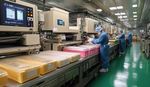
Robots move through food plants, tucking items into boxes or guiding them down lines. Cleanliness matters, so safeguards are built to stay spotless while keeping people safe nearby.
Electronics Manufacturing
Robotic arms, tiny but steady, handle delicate work when building electronic devices. To keep things running without bumps, sensors watch every move - accuracy matters most there.
Metal Fabrication
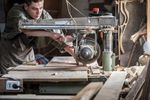
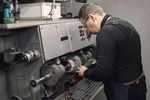
Out in the yard, big robot arms slice through metal while hoisting beams into place. Where danger lurks near spinning gears, protective barriers step in - quiet but firm.
Key Things to Know
Several important factors influence the effectiveness of robotics safety systems.
Workspace Design
Start tidy, stay safe - clutter-free floors mean robots move without surprises. Pathways spelled out with lines guide machines where to go. Zones blocked off keep people separate when systems run. Access limited to certain spots cuts down on mix-ups during work. Fewer errors happen when everyone knows their place.
Humans and Robots Working Together
When people and machines share space, attention to detail becomes critical. Where teamwork crosses into shared zones, sensors watch closely while smart controls react without delay. Movement flows differently when both kinds of workers move side by side. Safety lives in constant awareness, built through steady oversight and quick adjustments.
Maintenance and Inspection
Checking sensors now and then keeps things running smoothly later. Emergency stops need looks every so often, just to be sure. Safety guards matter most when nobody thinks about them. Reliable machines start with small checks done right.
Maintenance activities often include:
- Sensor testing
- Equipment calibration
- Control panel inspection
- Emergency stop verification
- Safety barrier checks
Environmental Conditions
Besides dust, high temperatures might weaken how well safety gear works. When setting up robots, factories must think about dampness too - vibrations often play a role in wear over time. One overlooked detail? How conditions combine to challenge reliability.
System Integration
Out of sync machines? That rarely happens when robotic safeguards link into the larger automation setup. When connections work right, movements stay aligned across the production floor.
Future Trends and Industry Insights
Robots stay safer today because machines now watch and react on their own. New tech lets them adjust without waiting for people. Smarter sensors help prevent accidents before they happen. These changes grow quietly but make a real difference over time.
AI used to watch safety
Robots stay safer when smart software keeps watch. When movements act odd, the system notices fast - then reacts without delay.
Smarter Collaborative Robots
Robots that work alongside people are getting better at adjusting to new tasks. Thanks to sharper movement skills, along with a clearer sense of their surroundings, they can now stay out of the way more reliably when humans are nearby.
Predictive Safety Technologies
Before issues arise, machines can signal their own weaknesses through smart tracking tools. Protection in factories becomes easier when warnings come early instead of late.
Wireless Safety Communication
Sensors without wires now show up often inside factories. Since they move freely, setups change fast - no rewiring needed. Their links skip cords, making mounting easier during upgrades or shifts.
Advanced Vision Systems
Robots today see better. Their eyes spot items without mistakes. Motion? Followed smoothly. What happens around them gets watched closely too. Precision stands out in every detail they catch.
Connecting to smart factories
Out on the factory floor, robots now share safety details through live data links. Because of this link, teams often spot issues faster while scheduling repairs.
Conclusion
Working safely around robots matters just as much as making them work well. Protection setups built into automated machinery cut down on accidents. Because of these safeguards, people and machines manage tasks together without constant danger. Smooth operations depend heavily on how carefully those barriers function every day.
Stopping machines fast isn’t new, yet smart sensors now watch conditions in real time instead of just waiting for failures. Machines work beside people more often these days, so shields and detection zones adapt on their own mid-task. Thought put into layout early helps avoid risks later, especially when routines include frequent equipment checks. People staying alert matters just as much as tech upgrades piling up over months. Watching systems closely means catching odd behavior before anything goes wrong.
When factories keep adding more automated tools, safeguards on robots stay key to keeping jobsites safe and machines working right. Workers and companies both benefit from knowing how those protections work as automation moves forward. Machines behave better when people understand their limits early.