Zero Till Seeders: Basics, Benefits, and Modern Farming Techniques
Zero till seeders are changing how farmers prepare and plant their fields. Instead of plowing the soil before sowing, these machines allow seeds to be placed directly into the soil with minimal disturbance.
A single thought shifts how farms work - better growth, richer earth, stronger results over time.
Most fields fight silent battles - earth washing away, dampness vanishing, machines guzzling more each season. Skipping plowing steps changes how planting works. Without constant digging, days shorten on machinery runs while harvests grow steadier. Big plots benefit, especially where rain stays scarce. Fields rest instead of tearing open every cycle.
Understanding the Concept
Planting happens right after clearing the field when using zero till seeders. Instead of flipping earth with heavy gear, these machines slip seeds into untouched ground. Most farms dig deep with plows first, breaking up the land. That old method often weakens how dirt holds together. Moisture slips away faster once the surface gets disturbed.
Most of the time, the ground stays just as it is when farmers skip tilling. A machine cuts a thin opening, drops each seed where it needs to go, then closes the gap behind. Structure holds together because of this - earthworms and tiny helpers stay safe underground. Roots find their way easier when things are left alone.
Soil stays mostly untouched when seeds go in just right. With less digging, farming treads lighter on the land. Fewer disruptions mean healthier ground over time. Plants grow where they should without extra fuss. This way of working fits long-term growing needs. Pressure on nature drops when routines stay gentle.
Key Types and Categories
Some zero till seeders work better with certain plants or kinds of soil. Each one fits a different job in the field.
Manual Zero Till Seeders
Most folks on tiny plots rely on basic gear. Light enough to carry, simple to run. When it comes to growing wheat, beans, or greens, these work just fine. Out back, near the shed, you’ll often spot one leaning against wood. Handy when fuel costs rise. Not flashy, but they get through a long day.
Tractor-Mounted Seeders
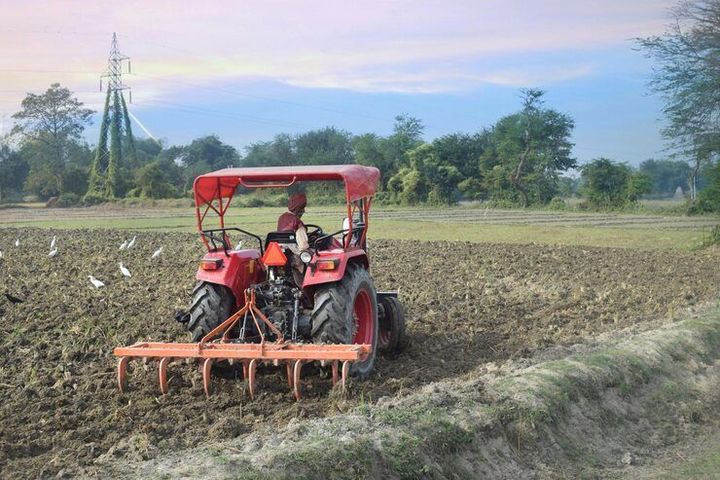
Out on big fields, you’ll often spot these tools hooked up to tractors. Moving fast, they get across wide stretches without slowing down. Crops like rice, wheat, or maize tend to grow where these machines roll through.
Multi-Crop Seeders
Out in the fields, these units manage a range of seed kinds. Depending on what the crop needs, adjustments come easily - flexibility built right in.
Happy Seeder Machines
One common twist works well where farmers grow both rice and wheat. Right after harvest, wheat goes straight into soil still holding old plant bits. Instead of clearing stubble, machines cut through it, dropping seeds behind. This skips tilling, saving time while protecting ground cover. Some areas rely on it heavily during tight seasonal windows. Equipment adjusts easily, fitting different field conditions.
How It Works
Zero till seeders follow a simple and efficient process:
- Field Preparation
- Left alone since the last harvest, the field sits untouched. On top, bits of old plants stay where they fell.
- Machine Setup
- Depending on what kind of seed you’re using, change how far apart they go and how deep. Start by setting the machine so each drop lands just right in soft soil. Match every detail - size matters when placing them one after another. Tweak it slow until the pattern feels natural under your hands.
- Soil Opening
- A blade slices into the ground, opening a thin gap. Soil parts as the tool moves forward, making space below.
- Seed Placement
- A tiny seed slips down the narrow opening, landing just right. The machine places it deep enough without going too far. Each one settles where it needs to be. A small cut in the soil holds each new beginning.
- Covering the Seed
- Beneath the surface, earth cradles the seed, holding it close so growth can begin. Roots start when touch is right between dirt and kernel. Each particle matters once settled in place.
- Residue Management
- Leftover plant material covers the ground, shielding dirt from washing away while holding in water.
Fewer trips across the land happen because of this method, so work gets done quicker out there. Efficiency grows when machines aren’t running as often under open skies.
Benefits and Advantages
Zero till seeders provide several practical advantages that make them valuable in modern agriculture.
- Improved Soil Health
- Keeping things quiet down below lets the dirt stay strong, while tiny helpful life forms thrive when left alone.
- Moisture Conservation
- Leftover plant bits on fields slow down how fast moisture escapes into the air.
- Reduced Fuel Use
- Fuel burns slower when tractors roll across the soil less often.
- Time Efficiency
- Faster field prep and planting come naturally to farmers using modern techniques instead of old ways.
- Lower Soil Erosion
- With the ground holding firm, less chance exists for wind or water to wear it away.
- Better Crop Yield Stability
- Farm results often stay steadier when dirt stays the same year after year.
- Reduced Labor Requirement
- Steps that take less time cut down on work done by hand.
real world examples and applications
Farming zones across the globe rely on zero till seeders, particularly where crops dominate large fields. These machines slip into soil without turning it, common practice where land gets worked hard year after year.
Most Indian farmers grow wheat right after rice using special machines. Right behind the rice harvest, seeds go into unplowed soil. With leftover plants still on field, planting happens faster than before. Because timing shifts earlier, crops often produce more grain.
Farming across North America often skips tilling when fields are big. Machines that plant seeds now follow exact paths using satellite signals. That means less wasted motion, more consistent spacing down each row.
When rain is scarce, skipping plowing keeps the ground damp. Crops survive on less water since the earth holds onto it longer.
Key Things to Know
Before using zero till seeders, farmers should consider several important factors.
- Soil Type
- Not every soil benefits equally from zero tillage. Take sturdy, well-formed types - they tend to thrive more under such conditions.
- Crop Residue Management
- Leftover plant matter needs care after harvest so machines keep working right. Field debris managed well helps prevent slowdowns later on.
- Machine Calibration
- Wrong settings mean seeds land where they should not. A tweak here keeps things running smooth.
- Weed Control
- Because the ground stays untouched, dealing with weeds might require different approaches.
- Training and Awareness
- Farmers need basic knowledge to use the equipment effectively.
- Climate Conditions
- Some seasons make no-till farming succeed more than others, depending on where you are.
future trends and industry insights
These days, more farmers choose zero tillage as a step toward sustainable growing methods. Equipment upgrades have made planting without tilling both smarter and smoother.
Modern machines now include features like:
- Precision planting systems
- Adjustable seed depth control
- GPS-based alignment
- Residue handling mechanisms
Besides saving soil, some growers now pair no-till methods with digital tools. When machines collect field details, choices around seeding or ground care tend to improve.
With more attention on the planet, farming without tilling may cut pollution while helping dirt stay healthy. A growing worry about nature means leaving fields undisturbed could limit greenhouse gases plus boost ground protection. Since people care more about Earth now, skipping plowing might reduce harmful air output and support earth retention. Pressure to act greener pushes farmers toward no-dig methods that lower climate impact along with keeping soil intact. Because climate issues grow sharper, avoiding full field disruption can lessen carbon release as well as strengthen land stability.
Conclusion
Starting with less digging, zero till seeders shift how fields are prepared. Without turning the earth deeply, these tools support stronger soil life over time. Moisture stays trapped below the surface because the ground remains mostly covered. Work moves faster when steps get combined into one pass across the field. Steady harvests come without extra labor each season. Efficiency grows quietly behind fewer machine runs.
Farming today leans heavier on smart choices, so tools like zero till seeders fit right into the picture. Because they help save soil and cut waste, these machines back a grower’s work year after year.