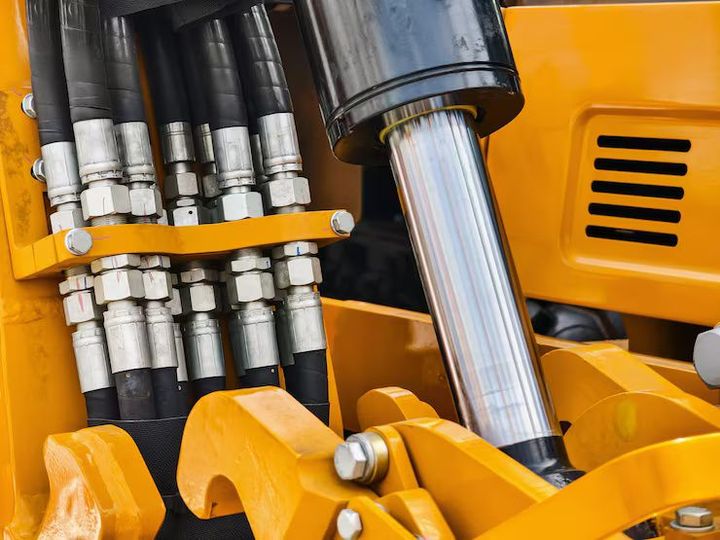
Hydraulic System Maintenance Guide: Components, Troubleshooting, and Care
Hydraulic systems are used in many industries and machines. They help heavy equipment lift, push, rotate, and move with strong and controlled force. You can find hydraulic technology in construction machines, factory equipment, farming machinery, automotive lifts, and industrial automation systems.
A push of liquid moves power through a hydraulic setup. From the outside, things seem basic - yet inside, pieces fit close like clockwork. When cared for right, each part lasts longer because nothing rushes to fail.
When things go unchecked, machines might leak, run too hot, lose power, or break down. Spotting issues early plus fixing them before they grow helps keep everything running smoother. Knowing how hydraulics work - what parts do what - gives workers better control during repairs. People who operate gear, fix it, or oversee its use need that knowledge just as much. Each small check today avoids big headaches tomorrow.
Understanding the Concept
Pushing fluid through tight channels makes things shift. Liquid - most often a type of oil - moves via tubes, switches, chambers, then motors. As push grows within the network, parts begin to move without warning. Pressure wins every time.
Pistons push fluid inside sealed spaces, spreading force all around. Because of that, tools gain power without jerky jumps. Movement stays steady even when loads get tough.
Common hydraulic system components include:
- Hydraulic pump
- Hydraulic cylinder
- Hydraulic valve
- Hydraulic hoses
- Reservoir tank
- Filters
- Pressure gauges
- Hydraulic fluid
From the first piece to the last, every component keeps things flowing smoothly under stress. Pressure stays steady because each element does its job without fail.
Powerful performance comes easily when space is tight - hydraulics manage that well. Movement stays precise, not left to chance, which matters where machines shape parts all day long.
Types of Keys
Some hydraulic setups look one way; others change shape based on how they’re used and what kind of equipment holds them.
Open-Loop Hydraulic Systems
After moving through the machine, hydraulic fluid flows back into the reservoir in an open-loop setup. Commonly found in construction machinery, this arrangement also appears across industrial hydraulic systems.
Main characteristics include:
- Simple structure
- Easier maintenance
- Common in heavy equipment
- Suitable for continuous operations
Closed-Loop Hydraulic Systems
Fluid moves straight from pump to motor, looping back again without always going to the tank first. The setup keeps liquid flowing inside a tight path, skipping constant returns for refill. Instead of releasing pressure into storage each cycle, it redirects force where needed next. Power transfers efficiently because the route stays short and contained throughout operation.
Advantages include:
- Faster response time
- Better efficiency
- Reduced fluid movement
- Improved compact design
Out in the field, you’ll spot this setup running many mobile hydraulic machines. Advanced automation gear relies on it just as much.
Mobile Hydraulic Systems
Mobile systems are used in moving machines such as:
- Excavators
- Cranes
- Tractors
- Forklifts
- Dump trucks
Facing constant shaking, shifts in heat, these setups work outside too. Weather swings? They keep going anyway.
Industrial Hydraulic Systems
Industrial hydraulic systems are commonly found in:
- Manufacturing plants
- Hydraulic press equipment
- Injection molding machines
- Material handling systems
- Packaging machinery
Precision matters most when things must stay steady without pause. Running nonstop becomes possible only if every piece holds its place tightly. What keeps it going isn’t speed but how well it resists change over time.
Important Subsections
Hydraulic Pumps
Fluid movement begins when the hydraulic pump pushes liquid through components. Among usual kinds are:
- Gear pumps
- Piston pumps
- Vane pumps
One kind of pump handles high pressure but low flow. Another works best when steady movement matters more than force. Some manage both well under certain conditions. Pressure needs shape which design fits a task. Flow volume changes what machine stays efficient.
Hydraulic Cylinders
Piston force emerges when fluid gets squeezed inside a cylinder tube. Motion happens because of resistance overcome through liquid under stress.
Hydraulic Valves
Fluid flow shifts when valves step in to manage it. Speed of motion gets shaped by these parts, while keeping things safe during use.
Hydraulic Filters
Pieces inside the machine trap grime before it travels through lines. When liquid stays pure, parts move easier while lasting longer.
How It Works
Pumped fluid drives pistons inside cylinders, making parts shift position slowly. Pressure builds when valves open at precise moments. Motion happens after liquid flows through narrow channels. Force transfers from one chamber to another without sudden jumps. Controlled pushes result each time the mechanism cycles through its routine.
Fluid Storage
Filled with hydraulic fluid, the reservoir keeps it ready for use. Cooling happens as the liquid sits, slowly releasing heat. Air pockets rise and fade while the tank does its quiet work.
Pump Activation
Pulling liquid from the tank, the hydraulic pump sends it forward, pressured. Inside the network, flow begins when force builds behind each drop.
Pressure Distribution Step Three
Pumped liquid moves along tubes, then slips into controls and moving parts. Fluid under pressure flows inside channels before reaching switches plus devices that respond. Through sealed lines it goes, headed for regulators together with mechanisms that react.
Valve Control
Fluid moves where needed because hydraulic valves guide it to certain cylinders or motors. The direction shifts based on what task comes next.
Mechanical Motion Step Five
Pressure turns into motion through a hydraulic cylinder or motor. From there, lifting happens - also rotation or even pushing. Movement begins when force is applied inside the system.
Fluid Returns
Once the movement finishes, back into the tank flows the liquid, ready to loop again.
Over time, this steady flow helps hydraulic systems handle tough jobs without hiccups. Smooth performance comes from constant pressure moving through the parts. Efficiency builds when each stage links naturally to the next. Heavy tasks become manageable because power transfers without delays. The machine keeps working because nothing interrupts the cycle.
Benefits and Advantages
Hydraulic systems provide many practical advantages across industrial and mechanical environments.
High Power Output
Packed into small spaces, hydraulic systems deliver serious power. Because of that size-to-strength match, they handle big weights - common in factories where machinery needs steady push.
Smooth Precise Control
Precision comes through hydraulics when moving heavy parts. With careful tuning, fluid power sets exact speed, manages force, guides flow - each step shaped by hand.
Reliable Performance
Smooth-running hydraulic equipment handles tough jobs without surprise hiccups. Because of that steady performance, factories and building sites depend on it.
Flexible Machine Design
Inside various machines, hydraulic parts find their place without fuss. Where space shifts, these elements adjust just the same. Not locked to one design, they slide into many forms easily. Their shape bends to match whatever structure holds them.
Reduced Mechanical Complexity
Where mechanical setups demand intricate cogs, hydraulics often step in with fewer pieces at play. Instead of relying on spinning wheels, they move force through fluid push. A simpler layout emerges when pressure replaces levers. Less clutter shows up under the hood. Motion flows differently here - quiet, smooth, without clatter. Parts wear down slower when there is no grinding. The machine breathes easier without tight linkages. Efficiency hides in this quiet shift.
Improved Load Handling
Smooth movement under heavy weight comes from hydraulic cylinders, helping machines stay balanced while working. Their steady push keeps everything in check during operation, making control more predictable over time.
real world examples applications
From construction sites to factory floors, you’ll find hydraulic systems at work. Machines rely on them because they handle heavy loads without breaking stride. Powering everything from excavators to assembly line tools shows their reach. Wherever force needs control, these setups step in quietly. Their presence stretches far beyond what most people notice daily.
Construction Equipment
Heavy machines like excavators, dozers, cranes - hydraulics run their lifting, digging tasks. Force for big shifts comes from hydraulic cylinders. These parts push hard when work demands motion.
Manufacturing Equipment
Heavy machines bend metal using fluid power inside factory walls. These setups mold parts by pressing them under great force. Equipment runs smoothly when hydraulics take charge of movement tasks.
Agricultural Machinery
Out in the fields, tractors move heavy gear using fluid power to turn wheels or raise equipment. Steering happens through pressurized oil guiding responses when adjustments are needed. Attachments lift because hydraulics push pistons where force is required. Farm tools respond quickly once levers activate flow inside narrow tubes.
Automotive Industry
Pumps pushing liquid create force inside tools that fix cars. Machines lifting heavy frames rely on this push within tubes. Pressure running through lines helps stop vehicles safely.
Aviation Systems
From wing to wheel, planes rely on fluid pressure to move parts like gears that lower for touchdown. Steering responds when oil flows through narrow tubes under force. Pressure shifts also grab discs to slow wheels after flight ends.
Marine Equipment
Floating vessels along with their ocean-based tools rely on fluid power to manage direction controls instead of manual effort. Heavy lifting tasks at sea often move through pressurized liquid mechanisms rather than chains or gears.
Key Things to Know
Proper hydraulic system maintenance requires attention to several important factors.
Fluid Cleanliness
Most machine troubles start with dirty oil inside the system. When particles get in, they wear out parts like valves, pumps, cylinders. Water sneaks in too, making things worse over time.
Maintenance practices should include:
- Regular filter inspection
- Proper fluid storage
- Scheduled fluid replacement
- Clean maintenance procedures
Temperature Control
Too much heat might weaken hydraulic fluid, also harming parts of the system. Components may fail when temperatures rise too high, affecting how well the fluid works.
Common causes of overheating include:
- Low fluid levels
- Restricted filters
- Poor ventilation
- Excessive pressure
When you keep an eye on how hot a machine runs, it tends to last longer.
Leak Detection
Pressure drops happen when fluids escape through worn seals. A tiny drip might grow worse over time without attention.
Common leak locations include:
- Hose connections
- Cylinder seals
- Valve fittings
- Pump connections
Spot checks now then reveal drips before they spread.
Pressure Monitoring
Watch the needle - sudden jumps could mean gunk clogging lines. Machines misbehaving? Often it's tired parts or sticky valves acting up.
Preventive Maintenance
Machines tend to run smoother when checked regularly. A surprise failure? Less likely that way.
Important maintenance activities include:
- Checking fluid levels
- Inspecting hoses and fittings
- Replacing worn seals
- Cleaning filters
- Monitoring operating pressure
- Inspecting cylinders for damage
Troubleshooting Common Problems
Figuring out hydraulic issues starts by spotting what's wrong, then tracing it back to where the problem really began.
Slow System Response
Possible causes:
- Low fluid level
- Worn pump
- Clogged filter
- Internal leakage
Excessive Noise
Possible causes:
- Air trapped in fluid
- Damaged pump
- Loose fittings
- Cavitation problems
Overheating
Possible causes:
- Dirty cooler
- Excessive load
- Low fluid quantity
- Restricted fluid flow
Pressure Loss
Possible causes:
- Valve malfunction
- Seal damage
- Pump wear
- External leakage
Faults spotted early can stop machines breaking down later.
future trends and industry insights
Still moving forward, hydraulic systems now run smarter thanks to better control networks. Efficiency gains emerge through real-time feedback loops inside modern setups. Monitoring shifts happen quietly, built into sensors that talk without being asked. Automation sneaks in, not with drama but steady tweaks over time.
Smart Monitoring Systems
Nowadays, digital sensors show up inside new hydraulic systems - tracking pressure, watching how hot things get, checking what state the liquid is in while everything runs. Instead of guessing, machines know right away when something shifts during operation. These small tech pieces feed live details so adjustments happen without delay. Real-time awareness builds into the system through constant data flow from sensor to control unit. What once needed manual checks now updates itself automatically. Feedback loops keep conditions stable by responding instantly to changes detected nearby.
Built-in sensors spot problems before they grow, while also guiding smarter scheduling decisions. Early warnings come through constant tracking, which then shapes how teams prepare workloads.
Energy-Efficient Hydraulic Designs
Some makers now build fluid-driven setups using less power without losing muscle. Performance stays high even as juice use drops across these new designs.
Better pumps along with smarter valves boost performance. Efficiency climbs when design upgrades meet modern valve systems.
Eco-Friendly Hydraulic Fluids
Greener hydraulic oils now appear often in farming machines. Equipment used in factories runs on cleaner liquids these days. Some new fluids help reduce harm to nature. These changes show up where heavy tools work daily.
With these liquids, machines stay greased yet harm nature less. They keep parts sliding smoothly even as they ease the load on ecosystems.
Integration with Automation
Machines move fluid power forward when robots step into factories alongside automated lines. Control flows smoother where hydraulics meet smart assembly arms in modern plants.
Built differently, this setup sharpens accuracy while streamlining output across factory settings. Machines respond faster, workflows stay steady, outcomes grow more reliable over time.
Advanced Predictive Maintenance
Sensors spot how machines behave when they start wearing down. This happens well ahead of any breakdown. Data steps in to show trends that signal trouble later on. Patterns emerge slowly. They point to what might fail next. Information flows before problems become obvious. Machines whisper their issues through numbers long beforehand.
By handling issues early, machines run longer without stopping. Fixing small problems first means they last much further down the line.
Conclusion
Pumps pushing fluid make things move with serious power in factories and machines today. Because they handle heavy jobs smoothly, these setups appear everywhere from construction gear to factory lines.
Fluid checks happen first when machines need steady work. Because seals wear down, spotting leaks early keeps systems running without surprise stops. Machines last longer if filters change on time instead of waiting for failure signs. Pressure drops warn something hides wrong inside the lines. Clean oil flows better than gunk-filled liquid every single test. Small fixes today prevent big repairs next season. Parts behave well only when cared for like tools that matter daily.
Now machines run smoother, thanks to upgrades in fluid power tech that link well with automated tools. Even so, looking after these systems matters just as much if they’re going to work right and stay safe over time.