Manufacturing Process Technology Explained: Methods, Tools, and Applications
Manufacturing plays an essential role in modern life. Almost every product people use daily—from household appliances to vehicles—comes from a carefully planned production environment. Behind these products is a structured approach known as manufacturing process technology.
This concept focuses on the methods, tools, and systems used to transform raw materials into finished goods. It combines engineering knowledge, machines, and organized workflows to create reliable production results.
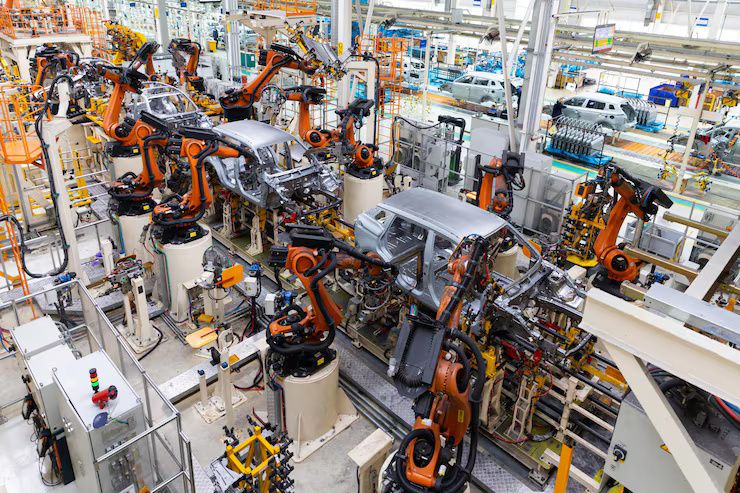
Today, industries rely on manufacturing process technology to improve productivity, maintain consistent quality, and reduce wasted materials. As factories become more connected and automated, the importance of well-designed production processes continues to grow.
Understanding how these systems work helps explain how modern factories produce large quantities of products efficiently while maintaining high standards.
Understanding the Concept
Manufacturing process technology refers to the techniques and systems used to convert raw materials into finished items. It involves selecting appropriate machines, defining production steps, and organizing the entire workflow within a factory.
At the center of this field is manufacturing process engineering. This discipline focuses on designing and improving production processes. Engineers study materials, machine performance, and production flow to ensure everything works smoothly.
The goal is simple: create a reliable system where materials move through a series of steps until they become completed products.
Modern factories often combine traditional machines with advanced manufacturing technology. These technologies may include robotics, digital monitoring tools, and smart equipment that can adjust operations automatically.
Another important part of this field is automated manufacturing systems. These systems use machines and robotic equipment to carry out tasks that once required manual effort. Automation helps maintain consistency and reduces the chance of human error.
Together, these elements form the foundation of efficient and modern manufacturing environments.
Key Types or Categories
Manufacturing processes can be grouped into several categories depending on how materials are shaped or assembled.
1. Casting and Molding
Casting involves pouring liquid material into a mold where it cools and solidifies into a specific shape.
Common examples include:
- Metal engine parts
- Plastic containers
- Industrial machine components
This method is useful for creating complex shapes that would be difficult to produce through cutting or machining.
2. Forming Processes
Forming changes the shape of a material without removing material. Instead, pressure or force reshapes the material.
Examples include:
- Rolling metal sheets
- Forging metal parts
- Bending pipes or rods
These methods are widely used in automotive and construction industries.
3. Machining Processes
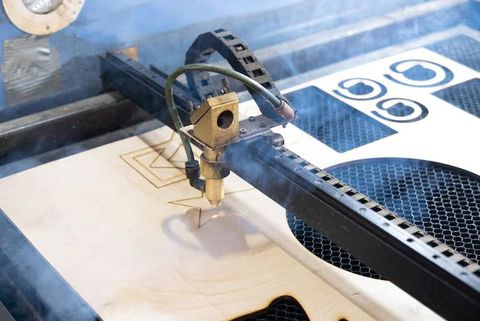
Machining removes material from a workpiece to achieve precise shapes.
Typical machining methods include:
- Cutting
- Drilling
- Grinding
- Milling
These processes allow manufacturers to produce highly accurate components used in machines and equipment.
4. Joining and Assembly
Many products consist of multiple parts. Joining processes connect these components together.
Common joining techniques include:
- Welding
- Riveting
- Fastening
- Adhesive bonding
These steps often take place in automated production lines using robotic tools.
5. Finishing Processes
Finishing improves the appearance, durability, or surface quality of products.
Examples include:
- Polishing
- Coating
- Painting
- Heat treatment
Finishing also helps protect materials from wear and environmental damage.
Important Subsections
Within these main categories, several specialized techniques play important roles in modern production.
Precision machining
High-accuracy machines produce parts with extremely tight measurements. These are often used in aerospace, electronics, and medical equipment manufacturing.
Robotic assembly
Robots handle repetitive assembly tasks such as placing components or tightening fasteners. This increases speed and improves consistency.
Material treatment
Processes like heat treatment change the internal structure of materials to make them stronger or more durable.
How It Works
A manufacturing system typically follows a structured workflow that moves materials through several stages.
Step 1: Product Design
The process begins with product design. Engineers create detailed models showing dimensions, materials, and required components.
These designs guide the entire production process.
Step 2: Process Planning
Next comes planning. Manufacturing process engineering teams determine:
- Which machines will be used
- The order of production steps
- Material requirements
- Quality control methods
This stage ensures the workflow is efficient and organized.
Step 3: Material Preparation
Raw materials must be prepared before production begins.
Examples include:
- Cutting large metal sheets into smaller sections
- Melting materials for casting
- Preparing molds or tools
Proper preparation reduces delays during production.
Step 4: Production Operations
This stage is where the main transformation occurs.
Materials move through machines that shape, cut, or assemble components. Many factories rely on automated manufacturing systems to perform repetitive tasks with high accuracy.
Sensors and monitoring equipment track performance during this stage.
Step 5: Inspection and Quality Control
Quality checks confirm that parts meet design requirements.
Inspection methods may include:
- Measurement tools
- Visual checks
- performance testing
This step ensures the final product functions as intended.
Step 6: Finishing and Packaging
Finally, products may undergo finishing processes such as coating or polishing before being prepared for distribution.
Each step in this sequence helps maintain product consistency and production efficiency.
Benefits and Advantages
Manufacturing process technology provides several advantages for modern production environments.
Improved Efficiency
Well-planned workflows reduce unnecessary steps and minimize production delays.
Consistent Quality
Machines and automated systems help produce parts with consistent measurements and reliable performance.
Higher Production Capacity
Automated systems allow factories to produce large quantities of products in shorter time periods.
Reduced Material Waste
Careful process planning helps ensure materials are used efficiently.
Better Workplace Safety
Automation and specialized equipment can handle tasks that may be physically demanding or hazardous for workers.
These advantages help industries maintain reliable production operations while meeting growing global demand.
Real-World Examples or Applications
Manufacturing process technology appears in many industries and everyday products.
Automotive Manufacturing
Automobile factories rely heavily on robotic production lines.
Examples include:
- Robotic welding for car frames
- Automated painting systems
- Precision machining for engine parts
These processes help maintain consistent quality across thousands of vehicles.
Electronics Production
Electronic devices contain small and precise components.
Manufacturing environments often use:
- high-accuracy assembly robots
- micro-machining equipment
- advanced manufacturing technology for circuit production
These technologies help create compact and reliable electronic devices.
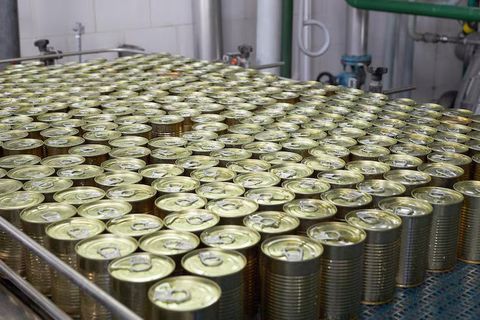
Food and Packaging Industry
Factories producing packaged foods rely on automated production lines to handle tasks such as:
- filling containers
- sealing packages
- labeling products
Automation ensures consistent packaging and hygiene standards.
Aerospace Manufacturing
Aircraft components must meet strict performance standards.
Production facilities use advanced manufacturing technology such as:
- precision machining
- composite material forming
- robotic inspection systems
These methods ensure structural reliability and safety.
Important Factors to Understand
Several factors influence how manufacturing systems operate effectively.
Material Selection
Different materials require different processing methods. Metals, plastics, and composites each respond differently to heat, pressure, and machining.
Choosing the right material helps ensure durability and performance.
Machine Capability
Machines must match the required production precision and volume.
High-precision machines are often used when extremely accurate measurements are necessary.
Workflow Organization
Efficient production depends on how materials move between machines.
Poorly organized workflows may cause delays or unnecessary handling.
Quality Monitoring
Regular inspection helps identify defects early. Monitoring equipment and measurement tools help maintain consistent product quality.
Environmental Considerations
Manufacturers increasingly focus on reducing waste and energy usage. Efficient processes help support environmentally responsible production.
Understanding these factors helps create balanced and efficient manufacturing systems.
Future Trends and Industry Insights
Manufacturing continues to evolve as technology advances.
Several trends are shaping the future of manufacturing process technology.
Smart Factories
Modern factories are becoming more connected through sensors and digital monitoring systems. These smart environments allow machines to share data and improve production decisions.
Artificial Intelligence in Production
Artificial intelligence can analyze production data to identify patterns and optimize processes.
This helps improve efficiency and predict maintenance needs.
Advanced Robotics
Robots are becoming more flexible and capable of handling complex tasks. New robotic systems can adapt to different products and production conditions.
Digital Simulation
Engineers can now simulate manufacturing processes before production begins. These simulations help identify potential issues and improve process planning.
Sustainable Manufacturing
Industries are placing greater emphasis on reducing energy consumption and material waste. Efficient production systems help support environmentally responsible practices.
These developments are expected to transform production environments in the coming years.
Conclusion
Manufacturing process technology forms the backbone of modern industrial production. It combines engineering knowledge, machines, and structured workflows to transform raw materials into finished products.
Through manufacturing process engineering, industries design efficient systems that ensure reliable production and consistent quality. The integration of advanced manufacturing technology and automated manufacturing systems has further improved productivity and accuracy in factories around the world.
From automobiles and electronics to packaging and aerospace components, these processes support the creation of many products used every day.
As technology continues to evolve, manufacturing systems are expected to become more intelligent, efficient, and environmentally responsible. Understanding these processes helps explain how modern industries maintain large-scale production while meeting high standards of quality and reliability.