Lean Manufacturing Technology Explained: Methods for Waste Reduction and Productivity
Lean manufacturing technology focuses on improving productivity while reducing unnecessary waste in production systems. The idea is simple: use resources wisely, improve workflow, and remove activities that do not add value.
Many modern factories aim to produce high-quality goods with minimal waste of time, materials, and energy. Lean manufacturing methods help achieve this by organizing processes more efficiently and using advanced production tools.
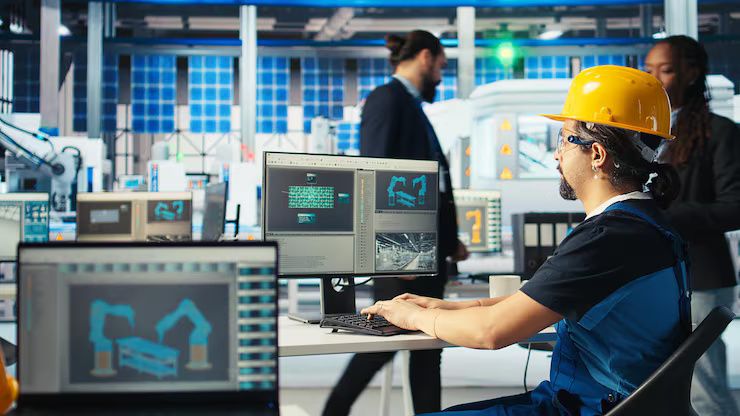
Technologies such as cnc machining, computer aided machining, additive manufacturing, and laminated object manufacturing play an important role in modern lean environments. These tools help manufacturers improve accuracy, reduce material waste, and streamline production workflows.
Understanding lean manufacturing technology is important because it helps industries operate more efficiently while maintaining consistent product quality.
Understanding the Concept
Lean manufacturing technology is based on the principle of maximizing value while minimizing waste. Waste refers to anything that consumes resources but does not improve the final product.
In manufacturing environments, waste may appear in several forms:
- Excess materials that remain unused
- Long production times due to inefficient processes
- Machine downtime or unnecessary movement
- Production errors that lead to rework
Lean manufacturing focuses on identifying these problems and improving the workflow step by step.
The concept originally gained global attention through production practices developed by the Toyota. Their manufacturing approach demonstrated how careful process design could significantly improve efficiency.
Modern manufacturing environments combine lean principles with advanced production technologies such as cnc machining and additive manufacturing to improve both speed and precision.
Key Types or Categories
Lean manufacturing includes several approaches that help organizations improve efficiency. Each method focuses on reducing waste and improving productivity in different ways.
Continuous Improvement
Continuous improvement focuses on making small but consistent changes to production processes.
Instead of waiting for major problems to occur, teams regularly examine their processes and identify small improvements.
Examples include:
- Improving machine setup times
- Simplifying work procedures
- Reducing unnecessary movement in production areas
Over time, these small improvements can significantly increase productivity.
Just-in-Time Production
Just-in-Time production focuses on producing items only when they are needed. This approach helps reduce excess inventory and storage challenges.
For example:
- Raw materials arrive shortly before production begins
- Components are produced only when the next stage requires them
- Finished products move quickly to distribution stages
This method helps keep production efficient and organized.
Smart Manufacturing Integration
Modern lean environments often integrate advanced manufacturing tools to improve efficiency.
Examples include:
- computer aided machining for accurate component creation
- cnc machining for automated and repeatable production
- additive manufacturing for creating parts layer by layer
- laminated object manufacturing for building layered models or prototypes
These technologies allow manufacturers to reduce waste and maintain consistent quality.
Important Subsections
Lean manufacturing also includes specific techniques that support productivity improvements.
Value Stream Mapping
This technique analyzes the entire production process to identify where delays or inefficiencies occur.
Standardized Work Procedures
Standardized procedures ensure that tasks are performed consistently. This improves quality and reduces errors.
Visual Management
Visual indicators such as production boards or color-coded signals help teams quickly understand the current status of operations.
How It Works
Lean manufacturing technology works by analyzing production activities and eliminating unnecessary steps.
A typical lean implementation process may include the following stages:
- Process Observation
Production teams examine the current workflow carefully.
They observe machine operations, material movement, and worker activities.
- Waste Identification
Teams identify areas where time, materials, or energy are wasted.
Common examples include:
- Waiting for materials
- Excess transportation between stations
- Repeated adjustments during machining
- Process Simplification
After identifying inefficiencies, teams redesign the workflow to make it simpler and faster.
This may involve:
- rearranging equipment layouts
- improving machine programming in cnc machining
- introducing computer aided machining for precision shaping
- Technology Integration
Advanced manufacturing technologies are introduced to improve efficiency.
Examples include:
- additive manufacturing for rapid component creation
- laminated object manufacturing for layered prototypes
- automated machining processes for repeatable production
- Continuous Monitoring
Lean environments require ongoing evaluation.
Teams regularly review processes and apply further improvements when necessary.
Benefits and Advantages
Lean manufacturing technology provides several practical advantages for modern production environments.
Some of the most important benefits include:
Improved Productivity
Streamlined workflows reduce unnecessary steps and allow machines and workers to focus on value-creating tasks.
Reduced Material Waste
Technologies such as additive manufacturing produce parts layer by layer.
This method minimizes leftover materials compared to traditional machining methods.
Higher Precision
Advanced machining tools such as cnc machining produce highly accurate components with consistent quality.
Faster Production Cycles
Efficient workflows and automated machining processes help shorten production times.
Better Resource Utilization
Lean environments encourage careful use of materials, energy, and production equipment.
Real-World Examples or Applications
Lean manufacturing technology is widely used across different industries.
Automotive Production
Automotive factories rely heavily on lean principles to improve efficiency. Assembly lines are carefully organized so that each component arrives exactly when needed.
Robotic production lines often combine cnc machining with advanced automation to maintain consistent part quality.
Aerospace Manufacturing
Aircraft components require extremely high precision. Manufacturers often use computer aided machining and advanced material shaping techniques to achieve strict accuracy standards.
Additive manufacturing is also used to create lightweight components with complex shapes.
Electronics Manufacturing
Electronics producers rely on lean workflows to manage large volumes of small components.
Efficient assembly processes help reduce delays and ensure consistent production quality.
Industrial Equipment Production
Factories producing heavy machinery often use laminated object manufacturing to create layered models during early design stages.
These prototypes allow engineers to test designs before full-scale production begins.
Important Factors to Understand
Implementing lean manufacturing technology requires careful planning and coordination.
Several factors influence successful implementation.
Workforce Training
Workers must understand lean principles and learn how to identify inefficiencies in daily operations.
Training helps teams contribute ideas for improving workflows.
Equipment Compatibility
Production equipment must be capable of supporting lean operations.
For example:
- machines used in cnc machining must be properly calibrated
- systems used in computer aided machining must maintain high accuracy
Process Transparency
Clear communication between production teams improves problem identification.
Visual monitoring tools help workers quickly detect issues.
Production Flexibility
Lean environments benefit from flexible production systems.
Technologies such as additive manufacturing allow rapid adjustments when production needs change.
Future Trends and Industry Insights
Lean manufacturing technology continues to evolve as new technologies appear in the industrial sector.
Several emerging trends are shaping the future of lean production.
Smart Factory Environments
Modern factories increasingly integrate connected machines and automated monitoring systems.
These environments help production teams identify inefficiencies more quickly.
Advanced Digital Manufacturing
Digital modeling tools are improving production planning and process design.
Engineers can simulate production processes before physical manufacturing begins.
Expanded Use of Layered Manufacturing
Additive manufacturing and laminated object manufacturing are gaining popularity for creating complex components with reduced material waste.
Greater Focus on Sustainability
Many industries are prioritizing environmentally responsible manufacturing practices.
Lean production methods support this goal by reducing waste and improving resource efficiency.
Conclusion
Lean manufacturing technology plays a critical role in improving productivity and reducing waste in modern production environments. By focusing on efficient workflows and continuous improvement, manufacturers can produce high-quality products while minimizing unnecessary resource consumption.
Technologies such as cnc machining, computer aided machining, additive manufacturing, and laminated object manufacturing strengthen lean manufacturing systems by improving precision and flexibility.
When combined with careful process analysis and ongoing improvement efforts, lean manufacturing helps industries create more efficient and sustainable production systems.