Garment Cutting Machines: Complete Guide to Types and Working
Garment cutting is one of the most important steps in clothing production. It shapes fabric into pieces that later become shirts, dresses, trousers, and more. A clean and accurate cut helps reduce fabric waste and improves the final look of a garment.
Starting fast, precision grows when fabric meets blade in motion. From cramped rooms to wide halls, cutting gear shapes how clothes come alive today.
This guide covers various kinds of fabric-cutting machines, their operation methods, also the situations where one performs better than another. Each machine has unique traits that suit specific tasks. Some rely on blades moving straight, others use rotating edges or even water jets. Where precision matters most, certain models stand out clearly. You will see how each handles materials differently. Their placement in a workspace often depends on output needs. One kind may dominate large factories, while smaller shops pick alternatives. Function shapes design across every example shown here.
Garment Cutting Machines Explained?
From start to finish, shaping cloth relies on devices designed just for slicing through stacked material. These tools follow outlines precisely, swapping manual scissors for something faster. Precision shows up when blades move with control, guided not by fingers but mechanics. Speed increases because each slice flows without pause. Accuracy holds steady since machines repeat moves exactly. One after another, pieces come out nearly identical. Fabric layers sit still while cutting happens above them. Technology steps in where humans might slow down.
Besides fashion, you’ll find them in places like uniform production or heavy-duty fabric work. Technical fabrics also rely on these materials quite heavily instead of simpler alternatives.
Cutting Machines Matter
Start with care when slicing cloth - it might look straightforward, yet accuracy matters. A slight slip could mean clothes that sit wrong or leftover scraps tossed aside.
Here’s why these machines matter:
- They ensure uniform cutting across multiple layers
- Fewer tasks need doing by hand, which means less tiredness sets in. Work gets done without wearing people out so quickly
- They improve production speed
- Quality stays steady because of them
- Fabric scraps pile up less because of them
Main Types Of Garment Cutting Machines
A single machine might suit a tiny workshop just fine - yet fail completely in a busy factory. Where one type thrives on simplicity, another runs better when overloaded with tasks.
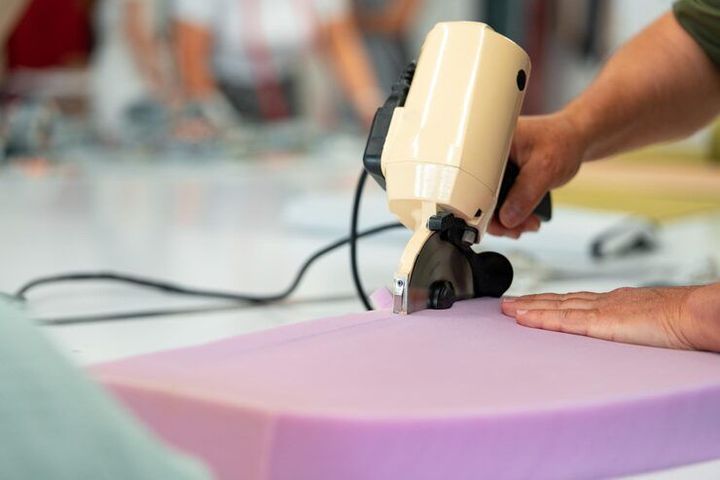
1. Straight Knife Cutting Machine
This machine cuts fabric faster than most others on factory floors. Its design fits easily into busy clothing assembly lines. Workers rely on it daily across thousands of workshops worldwide. Precision matters here, especially when slicing layered textiles. Durability makes it a favorite despite newer models appearing. Speed combines with accuracy in ways few tools match. Long hours do not weaken its performance.
How it works:
Upward then down, a narrow blade zips fast as hands steer the device across cloth.
Key features:
- Can cut multiple layers at once
- Suitable for thick fabrics
- Flexible for curved and straight cuts
Best use:
Built to fit mid-sized or bigger operations that demand flexibility. Whatever the task, it adapts without fuss. Shifts between roles happen smoothly, not forced. Size doesn’t slow it down - handles load changes like they’re routine. When needs evolve, it keeps pace, never lagging behind.
2. round knife cutting machine
A spinning disc slices through material here. Rotation drives the cut each time it moves forward. The round edge turns quickly during operation. Cutting happens as the wheel spins in place.
How it works:
Spinning steadily, the blade glides over cloth, helping when working with thin fabrics. Smooth motion keeps things steady, especially on delicate layers.
Key features:
- Small enough to carry without effort. Steering feels natural in your hands
- Built for just one layer of cloth - or maybe two. Works fine when material stacks stay thin. Layering more? Not really its thing. Best kept where fabrics lie light. Handles sparse setups without trouble
- Smooth cutting motion
Best use:
Great when handling fine materials or brief chores. Tiny jobs? This fits just right.
3. Band Knife Cutting Machine
A spinning edge circles nonstop, going just one way.
How it works:
Pulling the material by hand toward a stationary upright cutter makes exact slices possible. A steady push guides it past the sharp edge that stays locked in place.
Key features:
- High accuracy
- Ideal for complex shapes
- Stable cutting surface
Best use:
Perfect for shaping patterns plus handling fine details. Work continues smoothly when precision matters most.
4. Die Cutting Machine
A sharp shape slices material when pressed through. Fabric takes the form of whatever metal outline guides it.
How it works:
Down goes a metal die, stamping through stacked cloth to form matching outlines. Fabric holds the shape once pressure lifts, each cut the same as the one before it. Layer by layer, the machine repeats without pause. Shapes pile up where the press has been. Metal meets material again and again, leaving nothing uneven behind.
Key features:
- High consistency
- Fast for repetitive patterns
- Minimal variation
Best use:
Perfect when making lots of basic forms quickly. Simple designs come out well at scale.
5. Computer-Controlled Cutting Machine
Fabric gets sliced by these devices using digital commands. With code guiding the blades, material parts come out precise. Each pattern follows electronic paths drawn ahead of time.
How it works:
From a set of coded instructions, the machine guides the blade along precise paths. Exact shapes emerge as the tool moves without deviation. Pattern details stay consistent through automated direction. Movement follows digital plans step by step. The process repeats with unchanging accuracy each time.
Key features:
- Extremely high precision
- Minimal human involvement
- Efficient material usage
Best use:
Precision matters most when things move fast on big runs. Where every second counts, this fits right into heavy-duty output. It shows up whenever timing tightens and volume climbs without warning. Speed becomes a partner only if exactness holds steady through the grind.
6. Laser Cutting Machine
A single ray of intense light slices through cloth. This method relies on precision rather than force. Heat from the beam melts edges slightly as it moves. The process works quickly on thin materials. Movement follows digital paths drawn ahead of time. Accuracy comes from machine-guided direction. Material lays flat before the beam passes over.
How it works:
A beam of light heats the material until it cuts through, following a set route. The fabric gives way where the energy touches, moving step by step as directed. Guided lines appear as the surface responds to intense heat. Each pass shaped exactly as planned beforehand.
Key features:
- No physical blade
- Edges smoothed, then locked tight with a clean finish
- Ideal for intricate designs
Best use:
Perfect when precision matters most. Fine work shines here instead of rough handling. Delicate slices turn out clean without effort. Tasks needing care find a natural fit. Detail-oriented jobs finish right every time.
7. Water Jet Cutting Machine
This machine slices fabric using nothing but pressurized water forced through a narrow jet.
How it works:
A strong stream of water tears into stuff, cold cutting every time. Fast liquid force opens paths where fire fails.
Key features:
- No heat damage
- Smooth edges
- Suitable for special fabrics
Best use:
When heat might damage a material, this method steps in. Temperature matters less here. Delicate substances stay safe during processing. Heat-sensitive items find stability through this approach.
Garment Cutting Machines Operation Explained
Even if machines work in unique ways, their core steps look much alike. Still, every one follows nearly the same path underneath.
Fabric Spreading Begins
Pieces of cloth rest flat, stacked one over another on the long table. Because they’re aligned, each layer cuts through cleanly at once.
Position Patterns
Pieces of design show up on the material first. That way, slicing follows where they lead.
Cutting Process
A blade follows the marked path. Some models need hand control, others run with partial automation, a few work without touch.
Sorting
Pieces get lined up next, once the cutting ends. Then comes their turn for joining, step by step.
What Influences How Well Something Cuts
Several factors influence how well a cutting machine performs.
Blade Sharpness
Every time you cut, a keen edge makes all the difference. Without it, material suffers - jagged lines appear where smooth ones should be.
Fabric Type
Different fabrics behave differently. For example:
- Cotton is easier to cut
- Silk requires gentle handling
- Denim needs strong cutting power
Layer Thickness
Working through several layers at once moves things faster, yet piling on too much throws off precision. Still, speed means little if the result misses the mark.
Machine Handling
Machines run by hand need careful attention, so staying in charge matters most.
Benefits of Cutting Machines
Garment cutting machines bring many benefits to the production process.
1. Speed
Faster cuts happen when machines handle fabric instead of hands. Fabric moves quicker under machine blades compared to human effort.
2. Accuracy
Exactness matters when lining up every part with the design.
3. Consistency
Each part looks just like the others, so the clothing turns out better.
4. Reduced Waste
Clean slices mean less waste on the bolt. Fabric stretches further when edges line up just right.
5. Better Productivity
Speedy cuts shorten total build time because each step moves faster. When slicing takes less time, everything after lines up sooner by default.
Challenges and Limitations
Though helpful, these devices bring their own set of hurdles. Yet each benefit seems tied to a hidden difficulty. Still, ease of use often hides underlying issues. Even so, every advantage carries a tradeoff. Sometimes progress feels like stepping sideways. Not everything works smoothly on first try. Each strength appears alongside an unseen snag.
Skilled Operation
Operating certain equipment means knowing exactly what you’re doing. People who run these tools need clear understanding of every step. Mistakes can happen without proper knowledge. Each task demands attention shaped by experience. Safety grows when skills match the machine’s needs.
Maintenance Needs
Lubrication, part replacements, occasional adjustments - these help machines run without hiccups. A missed check today might mean downtime tomorrow.
Fabric Sensitivity
Fabric types can demand particular care during washing. Some need unique equipment to avoid damage. Machines suited for delicate materials differ from standard models. Handling varies depending on the textile's sensitivity. Special attention prevents wear over time.
Safety Tips When Using Cutting Machines
Working around sharp tools means staying alert at all times. One wrong move can lead to serious harm. Paying close attention helps prevent accidents before they happen. Focus matters just as much as skill does here. Mistakes often come from rushing through tasks too fast.
- Always keep hands away from moving blades
- Use protective equipment when needed
- Ensure proper machine setup before use
- Keep the workspace clean and organized
- Turn off machines when not in use
Choosing the Right Machine
The right cutting machine depends on several factors.
Production Scale
- Small setups may use round knife machines
- Large setups often use automated systems
Fabric Type
Fine textiles sometimes require softer approaches - one option being laser-based slicing. A different way to handle them avoids harsh techniques entirely.
Design Complexity
Out of nowhere, detailed patterns demand accuracy - machines like band knives step in. Computer-driven tools handle the rest without fuss.
Skill Level
Operating certain machines feels simpler compared to others.
Garment Cutting Future Trends
Fashion's fabric world shifts as fresh tech steps in.
- Increased use of automation
- Improved cutting precision
- Reduced fabric waste through smart pattern placement
- Integration of digital design systems
Faster workflows emerge when machines adapt on their own. Quality stays high because systems adjust before errors grow. Progress shows most clearly where old methods fade into background noise.
Conclusion
Out of all workshop gear, cutting machines stand out in clothing making. Speed jumps up when fabric meets blade - accuracy stays tight every time. Round knives handle basic jobs while lasers tackle complex shapes. One fits light work; another powers through heavy layers.
Figuring out what these machines do, along with where they fit into production, makes picking the correct one easier depending on the task. With tech moving forward, slicing fabric takes sharper accuracy and smoother operation, pushing how clothes get made tomorrow.