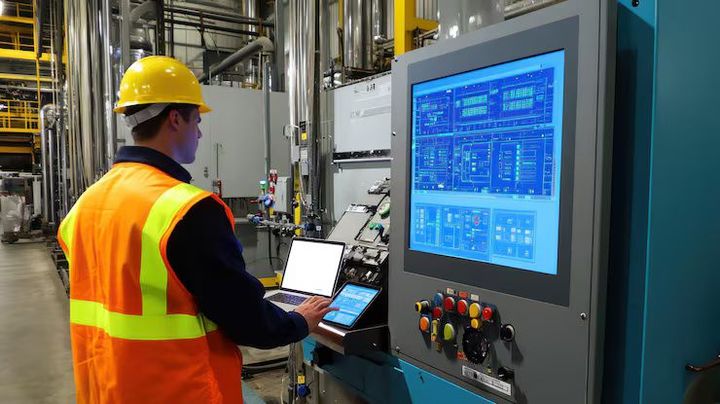
Factory Equipment Monitoring Guide: Automation, Data Tracking, and Efficiency
Factory equipment monitoring plays an important role in modern manufacturing environments. Production facilities depend on machines, sensors, and connected systems to maintain smooth operations every day.
Because machines are monitored well, production lines move faster. Since issues get spotted early, pauses in work happen less often. With systems running smoothly, daily operations stay steady.
Factories across fields rely on automated tools that follow gear performance moment by moment. Because sensors collect live details, staff see what machines do while making goods each day. When odd rhythms appear - like heat spikes, shifts in force, or lagging speed - the tech raises quiet flags ahead of breakdowns.
Machines hum along, watched closely across car plants, food lines, circuit board workshops, fabric mills, cloth packers. With robots doing more work every year, keeping tabs on tools now matters inside today’s factories.
Understanding the Concept
Equipment checks in factories mean watching machines work using digital tools that follow what they do. Not just speed but temperature, stops, run times - sensors catch it all. Seeing patterns helps workers spot issues before breakdowns happen. Data flows into dashboards where shifts can review trends daily. Machines talk through signals instead of staying silent till failure. This kind of watch keeps lines moving without surprise halts. Teams learn habits of gear by studying steady streams of updates. Knowing when a pump slows down means fixing it early. Every alert shapes better decisions on the floor. Clear sight over tools changes how problems get handled.
Out there, monitoring setups pull data from equipment through sensors, controllers, and factory-linked networks. This info might cover things like temperature readings, pressure levels, vibration patterns. Sometimes it tracks how fast a motor spins, or whether a valve is open. Information flows continuously from the gear itself into central logs. Signals travel across wired connections, sometimes via wireless links too. Each piece adds up, forming a picture of what machines are doing moment by moment
- Machine temperature
- Production speed
- Energy usage
- Equipment vibration
- Pressure levels
- Operating hours
- Output quantity
Out there on screens around the plant, numbers show how machines are running plus where things might be slowing down. Teams keep an eye on these views to spot shifts in output or signs a piece needs attention.
Sometimes, a machine that packs products in a factory shakes more when it runs. When sensors spot the extra shaking, they send an alert so workers know something might be off. That way, fixes happen before the equipment stops working entirely.
Machines doing tasks without help show what happens during work when info flows fast, helping factories run smoother. Because details move quick, making things gets easier to organize right.
Key Types and Categories
Some plants track output one way, others another - choice hinges on what they build, plus the machines involved.
Real-Time Equipment Monitoring
Every second, sensors follow how machines behave while they run. Right now, workers watch changes in pace, heat levels, or if a device is on or off.
This way works well when you need to handle tasks like these:
- Assembly lines
- Packaging systems
- Conveyor operations
- Robotics equipment
When machines act up, shops see it right away. Sudden shifts mean instant alerts hit screens fast. Alerts trigger moves before delays grow. Problems show - responses follow without wait. Seeing changes live keeps pace with surprises.
Predictive Monitoring
Before things fail, signs often show up in how machines behave. Data flows from sensors that track performance day after day. Over time, these readings start revealing familiar rhythms - or shifts away from them. When oddities appear, they hint at what might go wrong later.
Factories use predictive monitoring to observe:
- Motor vibration
- Heat changes
- Pressure fluctuations
- Performance irregularities
Because of this method, machines stay in better shape over time. Maintenance tasks get done before problems start, thanks to clearer scheduling.
Energy Monitoring
Tracking energy means watching how much electricity runs through factory machines. A close look at power shows exactly where each unit pulls its charge during operations.
Factories use energy monitoring systems to:
- Reduce unnecessary energy use
- Improve operational efficiency
- Identify high-consumption equipment
- Support sustainability goals
Finding ways to follow power use now fits into how factories plan their work.
Production Monitoring
Out of sight, production tracking keeps tabs on how much gets made along with equipment performance. Machines doing their job means numbers add up behind the scenes.
This category tracks:
- Production rates
- Downtime periods
- Equipment utilization
- Production accuracy
Finding out how well machines work while making things is easier when someone keeps an eye on daily output. Equipment performance becomes clear through steady observation of ongoing tasks.
Important Subsections
Sensor Technology in Manufacturing
Most factory setups rely on sensors to keep things running. These small parts pull data straight from machinery during operations.
Common industrial sensors include:
- Temperature sensors
- Pressure sensors
- Motion sensors
- Vibration sensors
- Proximity sensors
A single temperature sensor tucked into a big motor might catch rising heat early. When that happens, workers get time to check things out before anything breaks badly.
Industrial Data Tracking
Over time, machines spill out details that get gathered into shape. From those pieces, factories piece together how things run - spotting rhythms hidden beneath daily noise.
Data tracking supports:
- Equipment analysis
- Maintenance planning
- Production scheduling
- Efficiency improvement
Most factories rely on central systems that pull together information from various machines. These setups collect details across equipment to keep operations clear. Information flows into one place where it gets sorted automatically. Machine outputs arrive constantly, feeding a unified view of progress. Operators watch trends through dashboards tied to several devices at once.
Smart Machines Change How Things Are Made
Machines start talking to sensors on their own, cutting out the need for people to step in every time. Systems keep track of changes while running quietly behind the scenes. No hand-holding needed once things get moving. Signals pass back and forth like quiet whispers between parts that know what to do. Operations flow because links form without someone pressing buttons.
Smart manufacturing environments use automation to:
- Track machine activity
- Adjust production settings
- Improve operational coordination
- Monitor equipment conditions
A single glitch spotted by sensors could make the conveyor belt drag its feet. Downstream troubles might force the machine to ease off without warning. When something hitches further along, speed gets cut on the spot. The whole flow stumbles once alerts pop up ahead. Detection of a problem can pull the brakes mid-cycle.
How It Works
Step one in watching factory machines? Spotting how they run each day. Next comes gathering live details on performance - without delay. After that, workers review shifts in behavior over hours. Then alerts pop up if something moves outside normal ranges. From there, teams decide whether fixes are due. Finally, records update automatically for later checks.
Data Collection Begins
Out here, sensors stuck onto machinery collect how hot things get, how much they shake, how fast they move, also what kind of force builds up inside. Machines tell their story through these tiny watchers, feeding details one by one into systems that keep tabs without asking. Temperature climbs, vibrations shift, pace changes - each detail tagged and tracked across time.
Data Transmission Step Two
Fresh off the sensors, data moves across heavy-duty network lines straight into oversight tools or command setups.
Step Three Analyze Data
Pieces of equipment feed data into tracking tools that spot patterns, odd actions, or weak performance over time. What shows up on screens often reveals hiccups before they grow. Signals shift when something runs off track. These shifts get flagged fast. Alerts pop when routines break down. Hidden glitches emerge through steady observation. Machines talk in numbers - those numbers tell stories.
Alerts and Notifications
When something goes wrong, alarms might pop up for workers or repair crews to see. Sometimes a warning shows if the machine acts strange, giving staff time to respond before bigger issues arise.
Performance Review
Most mornings, those running the factory floor check how machines performed overnight. Reports show breakdowns or slowdowns that happened during shifts. Instead of guessing, they look at live data screens showing output trends. Some tweak schedules right after spotting delays early. Others adjust team assignments when bottlenecks appear. Efficiency climbs when decisions follow real numbers. Planning gets sharper once patterns emerge from daily logs.
Take a machine on a factory floor that suddenly moves more slowly. When it does, the tracking software spots the change, then guides staff toward what went wrong. One sign leads to another until the source shows itself.
Benefits and Advantages
Factory equipment monitoring provides several practical advantages for manufacturing facilities.
Improved Operational Efficiency
Faster fixes begin when machines show early signs of trouble. Because alerts pop up sooner, delays happen less often.
Reduced Equipment Downtime
Patches show up early when workers keep an eye on gear, so fixes happen long before things grind to a halt.
Better Production Visibility
Fresh data flows straight to managers, letting them see how machines are doing right now. Operators keep up with live updates, staying aware of shifts in performance.
Enhanced Maintenance Planning
When machines show signs of wear, checks happen. Teams watch performance closely instead of waiting weeks or months. Alerts trigger visits only when needed. Machines running smoothly delay service. Problems caught early mean less downtime later. Sensors track stress levels constantly. Repairs begin before failures occur. Efficiency rises without extra effort.
Energy Optimization
By watching how equipment behaves, factories spot high-energy users while refining their usage plans. Power hogs stand out when patterns shift without warning. Adjustments follow once data paints a clearer picture of demand. Efficiency grows where attention focuses on real-time signals instead of guesses.
Improved Product Quality
Predictable operation of equipment keeps output uniform throughout factory workflows.
real world examples and applications
Folks keep an eye on machines at plants - this happens in all sorts of fields. Equipment checks happen everywhere manufacturing does.
Automotive Manufacturing
Out on the factory floor, sensors keep an eye on robots that piece cars together. Machines moving parts from spot to spot get watched closely too. Welding tools, busy joining metal, are checked nonstop. When data flows instantly, hiccups slow things less often. Precision stays high because alerts pop up fast. Production keeps rolling when gear behaves as it should.
Food Processing Facilities
Keeping things running smoothly in food factories means watching heat levels, checking how much force flows through systems, then making sure equipment stays free of gunk. What matters most shows up when measurements stay steady throughout each shift.
Electronics Manufacturing
Factories building electronics keep close watch on machines to stay accurate when making circuit boards or putting parts together.
Textile Production
Machines that weave fabric get watched closely by those who make textiles, just like the gear that spins thread - keeping an eye on both helps avoid stoppages. Efficiency stays up when attention sticks to these key tools during daily runs.
Packaging Operations
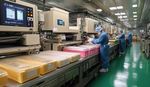
Out on the floor, sensors watch how fast belts move while cameras check if labels stick right. Machines that wrap boxes give live updates so workers spot hiccups early. When one part slows, alarms hint before jams grow big. Systems talk to each other, passing alerts like whispers down a line. Smooth flow stays possible only when every piece responds quick. Downtime drops because fixes happen mid-cycle, not after collapse.
From car plants to food lines, machines that watch operations help things run smoother. Each field uses alerts and data to cut waste without slowing down work. Even textile mills spot hiccups before they grow. Factories making chemicals adjust steps fast when sensors flag odd readings. In every case, small fixes add up to big time saved.
Key Things to Know
Several important factors influence the effectiveness of factory equipment monitoring systems.
Equipment Compatibility
Whatever system a factory uses, its monitoring tools need to fit right in. Machines already on site must work smoothly alongside new sensors. Compatibility matters just as much with control panels as it does with assembly lines. Some gear might resist updates unless connections match up early. Systems talk best when they speak the same language from the start.
Data Accuracy
When sensors deliver precise numbers, what you see reflects reality closely. Bad data creeps in quietly, often pushing choices off track without warning.
Network Stability
Machines talking to control centers need steady links. When signals hold strong, operations keep moving. Connections that flicker cause delays nobody wants. A reliable network means fewer surprises during production runs.
Operator Training
Workers at the facility need to know what the system readings mean. When alarms go off, they must act correctly. Reading the data comes first - then deciding next steps matters just as much. A signal appears; their reaction follows without delay. Clarity in displays helps guide choices on site. Knowing the signs prevents small issues growing. Each alert has meaning only if someone grasps it fast enough.
Scalability
When factories grow, the monitoring setup must keep up without hiccups. Adding new machines later should feel natural, not forced. Room to scale means avoiding rework down the line. Flexibility today prevents headaches tomorrow. Systems that adapt quietly are often the ones nobody notices - until they’re missing.
Cybersecurity Awareness
Security must be built into linked factory setups so machines and data stay safe. Equipment networks rely on careful safeguards just as much as digital records do. Staying protected means using smart steps across every part of the system. Operational details need shielding through consistent methods and reliable tools. Strong habits help defend both technology and processes together.
future trends and industry insights
Out there, machines hum along while their health gets checked by smart systems. As factories stretch across countries, tracking tools adapt just as fast.
Factories are getting smarter, a shift already reshaping how things get made. Machines talk to each other, automation handles tasks once done by hand, while live data keeps everything in sync behind the scenes.
Now machines learn faster, thanks to smarter software watching every move. Efficiency rises when hidden routines get spotted without delay. Patterns emerge clearly once number-crunching never stops.
Out there, more folks are turning to cloud systems for keeping an eye on factory operations. From nearly anywhere, supervisors can check how machines are running without being onsite.
Other important trends include:
- Advanced sensor technology
- Digital manufacturing systems
- Industrial Internet of Things applications
- Automated maintenance analysis
- Energy efficiency monitoring
Faster machines mean watching them closely won’t fade into the background anytime soon. Keeping tabs on tools fits right into how factories run, staying useful even as things change.
Conclusion
Out of sight, machines tend to cause more headaches than solutions. Yet here’s where keeping an eye on factory gear shifts things quietly. Instead of guessing when something goes wrong, live feedback steps in before trouble grows. Sensors spread across machinery whisper updates every few seconds. Automation picks up those signals, turning raw pulses into clear clues about how hard a motor runs or whether a conveyor hesitates. Data piles up, sure, but now it tells stories about pauses, spikes, slowdowns - moments that once slipped through cracks. Problems show their faces earlier, sometimes even before they fully form. Efficiency isn’t just hoped for anymore; it gets shaped by what the tools themselves reveal day after day.
Out of today’s tools comes live tracking for machines, spotting issues before they grow. One step ahead, factories schedule repairs just when needed, thanks to smart alerts. Saving power becomes easier when systems adjust on their own. Production lines sync up smoother than before. Cars roll off assembly floors faster where sensors watch every move. Circuit boards get built under constant digital eyes. In food plants, freshness stays locked in through careful oversight. Packaging lines run without hiccups, guided by steady feedback loops.
When machines learn to talk, factories listen closer. Smarter tools mean sharper oversight matters more than ever before. Watchfulness isn’t just routine now - it shapes how smoothly things run. With each automated step, tracking gear becomes less background noise and more central rhythm. Efficiency hides in details that only steady observation can find.