Factory Automation Basics Guide: Components, Technologies, and Applications
Manufacturing has changed greatly over the last few decades. Modern factories increasingly rely on machines, digital monitoring, and intelligent control systems to manage production. This transformation is commonly known as factory automation.
Factory automation refers to the use of machines, control systems, and digital technologies to operate industrial processes with minimal human involvement. These technologies help manufacturers produce items more efficiently and maintain consistent quality.
The industrial automation sector plays a major role in global manufacturing. Many factories now depend on advanced equipment, sensors, and automated control systems to streamline operations.
Understanding the basics of factory automation is helpful not only for engineers and technicians but also for anyone interested in how modern production works. From automobile manufacturing plants to food processing facilities, automated processes have become an essential part of industrial operations.
This guide explains the core ideas behind factory automation, the technologies involved, and how these systems are used in real-world production environments.
Understanding the Concept
Factory automation involves the use of machines, electronic systems, and digital controls to manage production activities. Instead of relying entirely on manual labor, automated systems perform repetitive and precise tasks.
At its core, factory automation combines several technologies, including sensors, controllers, robotics, and communication networks. These elements work together to monitor and control production processes.
Industrial automation systems are designed to perform tasks such as:
- Monitoring machine performance
- Controlling production equipment
- Collecting operational data
- Managing manufacturing sequences
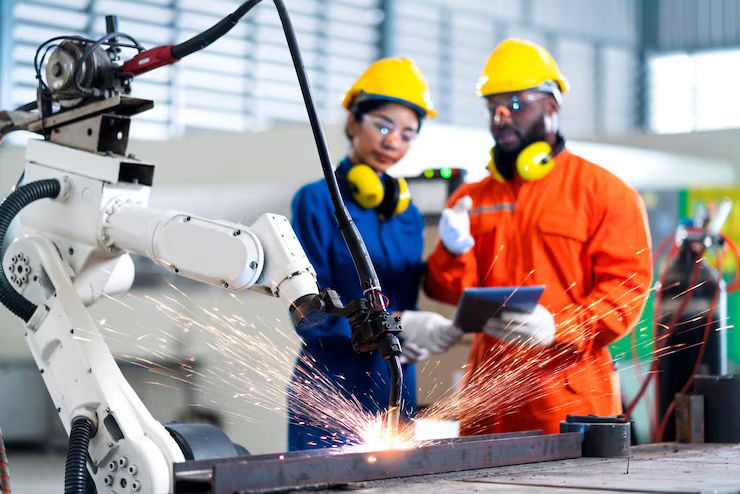
For example, in an automobile assembly plant, automated robotic arms may install components, weld parts together, and inspect the finished structure. These machines follow programmed instructions and adjust operations based on real-time sensor feedback.
Industrial automation solutions often integrate multiple machines and control units into a coordinated production environment. This allows different parts of the factory to communicate and operate as a unified system.
Industrial automation companies develop many of the technologies used in these environments. Their research and engineering work helps manufacturers adopt modern production practices.
Key Types or Categories
Factory automation systems can be grouped into several categories based on how they operate and how flexible they are.
1. Fixed Automation
Fixed automation is designed for high-volume production. Machines are configured to perform a specific set of tasks repeatedly.
Characteristics include:
- High production speed
- Consistent product output
- Limited flexibility
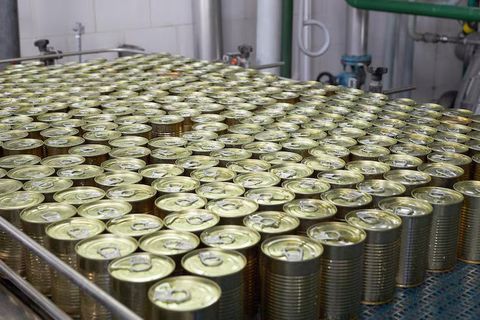
An example is a bottling line where containers are filled, sealed, and labeled in a continuous sequence.
2. Programmable Automation
Programmable automation allows machines to be reprogrammed for different production tasks.
Features include:
- Adjustable production sequences
- Ability to handle different product designs
- Batch production capability
This type of automation is often used in industries where product variations occur regularly.
3. Flexible Automation
Flexible automation provides even greater adaptability. Machines can adjust automatically to different product types with minimal manual setup.
Benefits include:
- Faster production adjustments
- Reduced downtime between product changes
- Greater production versatility
Flexible systems are commonly used in advanced manufacturing environments where customization is common.
Important Subsections
Several core elements support the functioning of automated factories.
Industrial Automation Equipment
Industrial automation equipment includes machines, robots, control panels, conveyors, and monitoring devices that perform production tasks.
Examples include:
- Robotic arms
- Automated conveyors
- Programmable controllers
- Machine vision systems
These components perform physical tasks while maintaining accuracy and speed.
Industrial Automation Sensors
Industrial automation sensors detect changes in the environment and send information to control systems. Sensors act like the “eyes and ears” of automated machinery.
Common types include:
- Temperature sensors
- Pressure sensors
- Motion sensors
- Proximity sensors
- Optical sensors
For example, a proximity sensor can detect when a product reaches a certain point on a conveyor belt and trigger the next operation in the sequence.
Industrial Automation Systems
Industrial automation systems coordinate the operation of machines and equipment. They collect information from sensors and send commands to machines.
These systems often include:
- Programmable logic controllers (PLCs)
- Human-machine interfaces (HMIs)
- Industrial communication networks
Together, these components allow factories to maintain precise control over production activities.
How It Works
Factory automation systems operate through a structured process. Each step involves communication between machines, sensors, and controllers.
A simplified step-by-step process looks like this:
1. Data Detection
Sensors detect conditions within the production environment. For example, a sensor might measure temperature, detect movement, or confirm the position of a component.
2. Signal Transmission
The detected data is sent to a central controller, often a programmable logic controller. The controller analyzes the incoming signals.
3. Decision Processing
The controller compares the sensor data with programmed instructions. If certain conditions are met, it determines the next action.
4. Command Execution
The controller sends commands to machines or actuators. These commands trigger actions such as:
- Moving a robotic arm
- Starting a conveyor system
- Adjusting machine speed
5. Continuous Monitoring
Sensors continue collecting data during production. The system constantly adjusts operations to maintain accuracy and efficiency.
This cycle happens repeatedly throughout the production process, often many times per second.
Benefits and Advantages
Factory automation provides several advantages for modern manufacturing operations.
Improved Production Efficiency
Automated systems can operate continuously with minimal interruption. Machines perform repetitive tasks much faster than manual methods.
Consistent Product Quality
Automated equipment performs tasks with high precision. This reduces variation between products and improves quality consistency.
Enhanced Workplace Safety
Certain industrial processes involve heavy machinery or hazardous conditions. Automation allows machines to perform dangerous tasks instead of workers.
Better Production Monitoring
Industrial automation systems collect detailed operational data. This information helps manufacturers analyze performance and identify areas for improvement.
Reduced Human Error
Machines follow programmed instructions precisely. This reduces mistakes that may occur during manual production processes.
Real-World Examples or Applications
Factory automation is used across many industries around the world.
Automotive Manufacturing
Automobile production facilities often use robotic systems to assemble vehicle components. Robots perform tasks such as welding, painting, and installing parts.
Electronics Production
Electronic devices require extremely precise assembly. Automated machines place tiny components onto circuit boards with remarkable accuracy.
Food Processing
Food manufacturing plants use automated conveyors, packaging machines, and inspection systems to manage production lines efficiently.
Pharmaceutical Manufacturing
Medicine production requires strict quality control. Automated systems monitor environmental conditions, ingredient mixing, and packaging processes.
Packaging and Logistics
Automated packaging lines prepare products for transportation. Systems sort items, apply labels, and organize packages for distribution.
These examples demonstrate how factory automation supports many different production environments.
Important Factors to Understand
Before implementing automation technologies, several factors must be considered.
Production Requirements
Different industries have different manufacturing needs. Automation systems must be designed to match the specific production process.
Equipment Compatibility
Machines and control systems must communicate effectively. Standard communication protocols help ensure smooth coordination between devices.
Maintenance and Monitoring
Automated systems require regular monitoring to maintain performance. Routine inspection helps identify potential issues early.
Worker Training
Although automation reduces manual labor, skilled personnel are still needed to operate, monitor, and manage automated environments.
Scalability
Factories often expand production over time. Automation systems should allow for future expansion and integration with additional equipment.
Future Trends and Industry Insights
The industrial automation sector continues to evolve rapidly as new technologies emerge.
Several trends are shaping the future of factory automation.
Smart Factories
Smart factories use connected machines that communicate through industrial networks. These environments allow real-time monitoring of production activities.
Artificial Intelligence Integration
Machine learning and artificial intelligence can analyze production data and identify patterns that improve efficiency.
Advanced Robotics
New robotic systems are becoming more flexible and capable of working alongside human workers in collaborative environments.
Industrial Internet of Things
The Industrial Internet of Things connects machines, sensors, and control systems through digital networks. This allows factories to collect detailed data from every stage of production.
Predictive Monitoring
Advanced monitoring systems can detect early signs of equipment problems. This helps prevent unexpected interruptions in production.
As these technologies continue to develop, factory automation will become even more advanced and interconnected.
Conclusion
Factory automation has become a fundamental part of modern manufacturing. By combining machines, sensors, and intelligent control systems, factories can operate with greater efficiency and precision.
Industrial automation equipment, industrial automation sensors, and integrated control systems allow manufacturers to monitor and manage production processes in real time. These technologies help maintain consistent product quality and improve operational efficiency.
From automotive plants to electronics manufacturing facilities, automation technologies support a wide range of industries. As the industrial automation sector continues to advance, factories will likely become even more connected and intelligent.
Understanding the basics of factory automation provides valuable insight into how modern manufacturing operates and how technology continues to shape the future of production.