Bottle Filling Machines: Complete Guide to Types, Working, and Industrial Applications
Bottle filling machines play an important role in modern manufacturing industries. These machines help industries fill liquids, powders, gels, and other materials into bottles quickly and accurately.
Bottle filling setups pop up everywhere - from morning showers where shampoo flows, to clinics storing medicine, even at breakfast when orange juice pours into a glass. These systems handle it all without fuss, moving liquid after liquid through daily manufacturing routines.
Most big factories avoid hand-filling because it spills stuff, wastes material, yet slows everything down. Machines take over that job - measuring each bottle more precisely while keeping things sanitary along with faster output. Consistency in how bottles look when packed shows up clearly across batches thanks to these tools.
Filling machines now do heavy lifting across sectors where speed matters most. When output needs climb, smarter tech steps in - simpler to run, quicker to adjust. Machines adapt without fuss, keeping pace while effort stays low. Progress shows not in complexity but in how quietly things keep moving.
Understanding the Concept
Bottle by bottle, a filling machine loads each one with just the right volume of substance. Not every container matches in shape - yet it adjusts without issue. Viscosity varies; still it manages flow smoothly. Speed changes happen on the fly depending on output needs.
Every bottle moves through the system only after getting its exact share of product, handled cleanly. Efficiency climbs when spills stop and fills stay uniform across runs.
Bottle filling systems are commonly connected with:
- Conveyor systems
- Capping machines
- Labeling machines
- Packaging machinery
- Industrial control systems
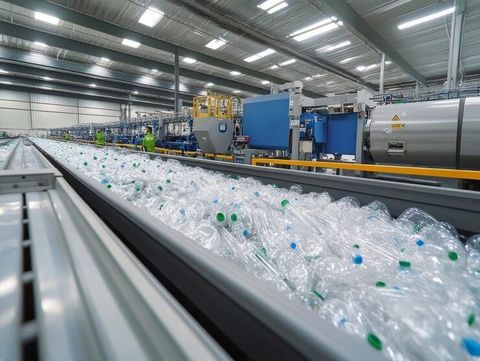
Take a drink factory. Bottles travel on a moving strip. One by one, they pass under a filler that squirts in just enough fluid. After that, they roll ahead - next stop, closing caps and sticking tags.
Key Types and Categories
Pouring methods shift across fields, shaped by what’s made and how fast it must flow. Each sector picks tools based on texture, speed needs, or container form - never one-size-fits-all. Machines adapt, whether handling thick paste or thin liquid, because uniformity rarely works everywhere.
Gravity Filling Machines
Bottles get filled because gravity pulls liquid down into them. Good for runny stuff like water or juice, these fillers work without pumps. Instead of forcing flow, they let weight do the job. Liquids that move easily fit this method best. Think vinegar, alcohol, or clear syrups - thin things. No pressure needed, just height difference. The container sits low, the source stays high. Gravity handles the rest. Simple setup, fewer parts to break
- Water
- Juice
- Cleaning liquids
- Cooking oils
Filling nozzles guide the flow of liquid from a storage tank directly into the bottle.
Main Features
- Simple working method
- Suitable for low-viscosity liquids
- Easy cleaning process
- Common in beverage packaging lines
Piston Filling Machines
Pouring stuff into bottles? A piston cylinder handles that job by pushing material through. Thick goop works just fine here - no problem at all.
Examples include:
- Honey
- Cream
- Sauces
- Shampoo
Important Advantages
- Accurate filling levels
- Suitable for thick liquids
- Consistent product measurement
- Useful in food processing equipment
Vacuum Filling Machines
Before adding liquid, these machines pull out the air inside the container. That way, the fill amount stays exact.
These machines are often used for:
- Glass bottle packaging
- Perfume filling
- Chemical liquid packaging
Common Benefits
- Cleaner filling process
- Reduced overflow
- Better filling consistency
Overflow Filling Machines
Pouring stops when each bottle reaches the top. Extra fluid slips away, returning where it came from.
People often use this way when dealing with:
- Beverage bottling
- Cosmetic packaging
- Transparent bottle production
Pump Filling Machines
Pouring liquids into bottles? That job often falls to pump fillers. Thick stuff needs a different kind of pump than thin. Which one runs depends on what's flowing.
These systems can handle:
- Thin liquids
- Thick gels
- Foamy products
How It Works
Besides moving bottles into place, the machine lines up each container just right. Though built for speed, today's gear keeps running without frequent pauses.
Bottle Feeding Begins
Bottles without contents get set on a moving belt. As they travel along, the path leads them straight into where liquid gets added.
Bottle location and gaps between them get spotted by sensors. When something moves into place, these tools notice it right away. Each gap or shift shows up clearly through their readings.
Bottle Placement
Out of line, the bottles won’t sit right beneath the nozzles. When they’re straight, mess stays off the floor, fill levels stay even.
Precision in placement gets a boost when machines take charge of moving bottles. Machines handle the task without relying on human touch, making each move more reliable than before.
Fill product
A small portion flows out each time one bottle gets filled by the device. The system releases just enough stuff so every container holds the same quantity. Each unit receives its share when the mechanism activates. Filling happens step by step as fluid moves into waiting vessels. A precise volume drops inside whenever a new bottle lines up below.
Filling happens differently based on the machine - some pour first, then seal; others position material during assembly. Each version handles timing its own way. Movement decides when stuff gets inserted
- Gravity flow
- Pump systems
- Pistons
- Vacuum pressure
Pouring liquids today relies on smart machines that adjust themselves mid-flow. These tools watch every drop, making sure each container gets just enough - not a bit more.
Bottle Transfer
Bottles head to the following packaging step after filling finishes. From there, they travel steadily into new handling phases without pause. Each container advances once its fill cycle ends completely.
This may include:
- Bottle capping
- Label application
- Date printing
- Final packaging
Inspection
Many production lines include inspection systems that check:
- Fill levels
- Bottle positioning
- Cap placement
- Packaging quality
Mistakes in wrapping get cut when this is used.
Benefits and Advantages
Bottle filling machines provide many practical advantages for industries.
Improved Production Speed
Filling things fast happens when machines take over - bottles stack up quick, sometimes by the thousand in just hours. Because of that rush, factories keep pace without slowing down.
Better Filling Accuracy
Filling each bottle right happens because machines handle the job. When amounts stay precise, less gets wasted while quality stays even. Machines take care of exact measures so nothing runs short or overflows by mistake.
Cleaner Production Environment
Fresh food lines need clean setups - machines help keep things safe. That matters a lot when handling items like dairy or meats
- Food manufacturing
- Beverage production
- Pharmaceutical packaging
Reduced Material Waste
Pouring stuff slowly means less mess, so factories waste fewer supplies. How spills drop matters when saving resources.
Flexible Bottle Handling
Many machines can handle different:
- Bottle shapes
- Bottle sizes
- Product types
Packaging tasks can shift easily because of this.
Support for industrial automation
From start to finish, bottle filling setups link into automated packaging gear through smart production tools. Because of this connection, the whole line runs smoother and uses time better.
real world examples and applications
Besides drinks, factories handle oils using bottle fillers too. Though often overlooked, these tools work fast without stopping. Even so, each model fits certain containers better than others. Some places rely on them daily just to keep up with orders. From start to finish, timing matters most during operation.
Beverage Industry
The beverage industry uses high-speed filling systems for:
- Mineral water
- Carbonated drinks
- Fruit juices
- Energy drinks
Bottling giants keep things moving with machines that carry bottles along while gear packs them without stopping.
Food Processing Industry
Food manufacturers use filling machines for products such as:
- Sauces
- Syrups
- Cooking oils
- Dairy products
Thicker foods work better when piston fillers handle the job. Though slower than pumps, they push consistent amounts every time. What matters most shows up in even portions. Machines using pistons avoid clogging where others might struggle. Each cycle delivers just what’s needed, nothing more.
Pharmaceutical Industry
Medical manufacturers use precision liquid filling equipment for:
- Syrups
- Medical liquids
- Health supplements
Precision matters most where medicines get packed. Spotless conditions go hand in hand with exact results. Mistakes rarely survive in tightly controlled spaces. Every speck counts when safety hangs in the balance. Clarity shapes every move behind sealed doors.
Cosmetic Industry
Cosmetic packaging often includes:
- Lotion filling
- Shampoo bottling
- Perfume packaging
Pipes spill over when full, machines push liquid in. These setups show up a lot around here.
Chemical Industry
Industrial chemical production uses filling machinery for:
- Cleaning liquids
- Industrial fluids
- Agricultural solutions
Chemical-resistant machine materials help improve operational safety.
Key Things to Know
Choosing a bottle filler means thinking ahead about key details. Yet every choice affects how well it works later. While size matters, so does what you plan to fill. Though speed seems vital, matching output to need keeps things smooth. Since bottles differ, the setup must adapt easily. Even power sources play a role in daily function. Above all, safety shapes both operation and upkeep.
Product Type
Not every product moves the same through a filler. Some pour fast; others drag behind because they’re heavier. Equipment must match what it handles.
For example:
- Water flows easily
- Honey moves slowly
- Foamy liquids require controlled filling
Production Capacity
Small factories need different production speeds than big industrial sites do.
Some machines are designed for:
- Small-batch production
- Medium-scale manufacturing
- High-speed industrial packaging
Bottle Material
Machines may handle:
- Plastic bottles
- Glass bottles
- Metal containers
How a bottle is shaped can change how well it works in machines. Strength matters too when fitting into equipment.
Hygiene Requirements
Where meals are made or patients treated, clean matters most. Built tough with stainless steel since rust won’t take hold here. Smooth surfaces wipe down fast due to material choice.
Automation Level
Not every machine runs on its own - some need hands-on handling. Others rely heavily on smart systems, using sensors plus computerized oversight to keep things moving smoothly.
Production consistency tends to rise when machines take on more tasks. Machines handling extra steps can make results steadier over time.
Future Trends and Industry Insights
Still moving ahead, bottle filling tech shifts with industry demands - faster runs, tighter workflows, smarter production lines shaping each upgrade.
Smart Automation Systems
Factories today often run on smart controls - these watch how machines work while they’re running. Equipment behavior gets tracked instantly through responsive tech built right into the system.
Sensors and digital monitoring tools help improve:
- Filling accuracy
- Machine efficiency
- Production tracking
Energy-Efficient Equipment
Now coming into play, makers of packaging machines focus on lower energy use to match greener ways of building products. Instead of high draw systems, new models run smarter while cutting waste across factories.
Flexible Packaging Systems
Machines that fill bottles will likely adapt to various shapes more quickly ahead. One design after another shifts into place without long waits. Speed matters when switching between types. New systems respond fast, cutting down delays. Different containers line up smoothly now. Time once lost adjusting gears fades away. Flexibility becomes normal in these updated setups.
Manufacturers find it easier to adjust when packaging demands shift. Faster changes become possible because of this.
Robots Working With Smart Machines
Bottles get moved by robots on certain modern assembly belts. Machines handle both transport and wrapping tasks inside these setups. Through automation, containers shift without human touch during later stages. Certain facilities rely entirely on mechanical arms for packing jobs. Automated helpers guide glassware onto conveyor routes automatically.
When machines learn patterns, upkeep schedules can shift unexpectedly. Production insights often emerge through subtle shifts in data flow. Machines spotting trends might change how teams prepare repairs.
Hygienic Filling Technology
Filling spaces stay clean, mostly where medicine and meals are made. Still a priority, safety gets attention through better air quality. Cleaner methods pop up wherever products go inside containers. Protection matters most near what people swallow or eat. Progress shows when dust drops and germs vanish from packaging zones.
Sanitation upgrades mean goods stay cleaner through production. When facilities get smarter, fewer contaminants sneak into what's made.
Conclusion
From start to finish, bottle fillers play a key role in today’s manufacturing lines. Because of them, factories move faster, dose more precisely, stay cleaner, while getting more done.
Pouring methods change depending on what's inside - think thick lotions, runny drinks, sticky pastes, or sharp chemicals. Wherever things need to be packed fast and steady, like in drink factories or medicine labs, they lean on these tools to keep everything moving without hiccups.
Bottle filling systems now move faster, adapt easier, grow smarter - thanks to progress in automated factories. Knowing what drives them lets producers pick better tools while keeping package standards steady down the line.