Modern Manufacturing Machines Explained: Technology, Functions, and Industry Uses
Manufacturing has changed greatly over the past few decades. Industries that once depended heavily on manual labor now rely on advanced equipment and automation. Modern machines allow factories to produce parts faster, with greater accuracy, and with consistent quality.
These machines are used to create everything from small electronic components to large industrial equipment. With the help of computer-controlled tools, manufacturers can produce complex shapes and detailed parts that were difficult to create in the past.
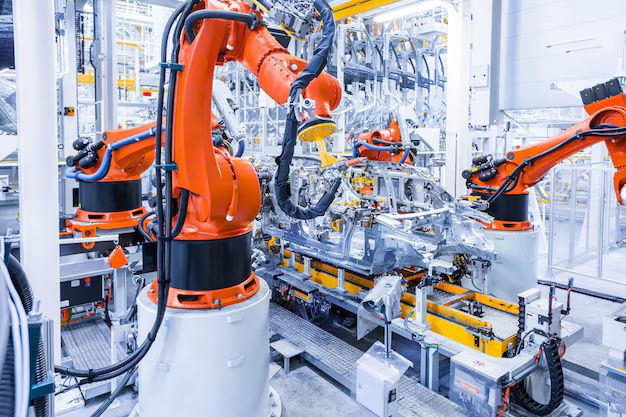
Understanding how modern machines work is useful for anyone interested in technology, engineering, or industrial production. This article explains the technology behind modern manufacturing machines, their functions, and how industries use them in everyday production.
Understanding the Concept
Modern manufacturing machines refer to advanced mechanical systems designed to shape, cut, assemble, or process materials during production. These machines combine mechanical components with digital control systems that guide their movements and operations.
In traditional workshops, machines were operated manually. Workers adjusted tools and controlled cutting speeds by hand. Today, modern machines use automated systems that follow programmed instructions.
One important advancement is the modern cnc machine. CNC stands for Computer Numerical Control. This technology allows machines to follow digital instructions that control tool movement with high precision.
Many companies around the world develop advanced equipment for factories. A well-known example is the modern machine tool company concept, where specialized manufacturers focus on designing high-performance machines used in metalworking, automotive production, and aerospace manufacturing.
Another widely used piece of equipment is the modern welding machine. These machines help join metal parts together using controlled heat and electrical energy. Welding technology has improved greatly with automation and precision controls.
Together, these technologies form the backbone of modern manufacturing environments.
Key Types or Categories
Different types of machines are used depending on the production process and material involved. Some machines focus on shaping materials, while others join parts or refine surfaces.
Common categories include:
- CNC machines
- Welding machines
- Milling machines
- Turning machines
- Laser cutting machines
- Grinding machines
Each category plays a specific role in manufacturing operations.
CNC Machines
CNC machines are among the most important tools in modern production. These machines follow digital instructions to move cutting tools across materials such as metal, plastic, or wood.
Common CNC equipment includes:
- CNC milling machines
- CNC lathes
- CNC routers
- CNC drilling machines
A modern cnc machine can perform multiple operations with minimal human intervention. Once a design is programmed into the machine, it can repeatedly produce identical parts with high precision.
Welding Machines
Welding is the process of joining metal pieces together. A modern welding machine uses controlled heat to melt the edges of metal parts so they fuse into a single structure.
Popular welding technologies include:
- Arc welding
- MIG welding
- TIG welding
- Laser welding
These machines are widely used in automotive manufacturing, shipbuilding, and construction industries.
Milling and Turning Machines
Milling and turning machines shape materials by removing small amounts of material from a workpiece.
Milling machines use rotating cutting tools to create flat surfaces, slots, and complex shapes. Turning machines rotate the workpiece while a cutting tool shapes it.
Many factories now use CNC-controlled versions of these machines to achieve higher accuracy.
How It Works
Modern manufacturing machines operate through a combination of mechanical movement, electronic control systems, and programmed instructions.
The general process usually follows these steps:
- Design creation
- Program generation
- Machine setup
- Material processing
- Final inspection
Step 1: Design creation
Engineers create a digital design using computer-based design tools. The design defines the shape, size, and dimensions of the final product.
Step 2: Program generation
The design is converted into machine instructions. These instructions guide tool movements, cutting speeds, and positioning.
Step 3: Machine setup
Operators place raw materials into the machine and configure the machine according to the program requirements.
Step 4: Material processing
The machine begins shaping or joining the material. Cutting tools, welding arcs, or lasers perform the required operations.
Step 5: Final inspection
Finished parts are checked for accuracy and quality. Measurements confirm that the product matches the original design.
Because of automated controls, modern machines can repeat these steps thousands of times with consistent results.
Benefits and Advantages
Modern manufacturing machines provide many advantages compared with traditional production methods.
Key benefits include:
Higher precision
Computer-controlled tools allow extremely accurate measurements and consistent shapes.
Improved efficiency
Machines can operate continuously, allowing factories to produce large quantities of parts quickly.
Better product quality
Automation reduces human error, resulting in more reliable production outcomes.
Complex design capability
Modern machines can produce detailed shapes and components that would be difficult to create manually.
Material versatility
Manufacturing equipment can process various materials, including metals, plastics, composites, and alloys.
Reduced waste
Precise cutting and shaping methods minimize unused material.
These advantages make modern machines essential in today’s industrial environment.
Real-World Examples or Applications
Modern manufacturing machines are used in many industries around the world. Their ability to produce accurate components makes them valuable in both small workshops and large production facilities.
Automotive industry
Factories use CNC machines and welding equipment to produce engine parts, frames, and body components. Robotic welding systems ensure strong and consistent metal joints.
Aerospace manufacturing
Aircraft components require extremely precise measurements. Advanced machine tools shape turbine blades, structural parts, and engine components.
Electronics production
Small components used in electronic devices are manufactured using precision cutting and drilling equipment.
Construction equipment manufacturing
Large machines used in construction rely on welded steel structures and accurately machined parts.
Medical device production
High-precision machines produce surgical instruments and medical components that require extremely tight tolerances.
These examples show how widely modern machines are used across industries.
Important Factors to Understand
While modern manufacturing machines provide many benefits, several factors influence their performance and effectiveness.
Key considerations include:
Machine precision
High-quality machines provide better accuracy and smoother finishes.
Material compatibility
Different materials require different tools and cutting methods.
Operator knowledge
Although machines operate automatically, skilled operators are still needed to monitor processes and ensure proper operation.
Maintenance practices
Regular inspection and cleaning help machines operate efficiently and extend their lifespan.
Production planning
Efficient scheduling helps factories use machines effectively and avoid unnecessary delays.
Understanding these factors helps manufacturers maintain smooth and efficient production processes.
Future Trends and Industry Insights
Manufacturing technology continues to evolve as industries look for ways to increase productivity and improve accuracy.
Several trends are shaping the future of modern machines.
Advanced automation
More factories are adopting automated production systems where machines communicate with each other to coordinate operations.
Smart manufacturing environments
Machines are becoming more intelligent, capable of adjusting operations based on real-time data.
High-speed machining
New cutting technologies allow machines to operate faster while maintaining precise results.
Additive manufacturing integration
Some factories combine traditional machining with 3D printing methods to create complex parts.
Energy-efficient equipment
Manufacturers are developing machines that reduce energy consumption while maintaining strong performance.
Companies that design industrial equipment, including organizations similar to a modern machine tool company, continue to improve machine capabilities through research and engineering innovation.
These advancements will shape the next generation of manufacturing technology.
Conclusion
Modern manufacturing machines have transformed the way industries produce parts and products. From CNC systems to advanced welding equipment, these machines enable precise, efficient, and reliable production processes.
Technologies such as the modern cnc machine allow factories to create complex designs with consistent accuracy. Equipment like the modern welding machine ensures strong and durable connections between metal components.
As manufacturing technology continues to advance, modern machines will become even more capable, supporting industries ranging from automotive production to aerospace engineering.
Understanding how these machines work helps explain the powerful technology behind the products used in everyday life.