Recycling Machines Guide: Equipment, Processes, and Industrial Applications
Recycling machines play a major role in modern waste management and industrial processing. As industries and cities produce more waste every year, advanced recycling equipment helps reduce landfill pressure and supports better material reuse.
Out of sight, old bottles and crumpled metal bits get a second life through sorting and processing. Paper piles and broken glass travel paths that turn waste into fresh supplies. Instead of vanishing at landfills, these items reappear as new products thanks to organized recovery networks.
Recycling now goes far beyond just separating items by hand. Machines at big sites do the work - sorting, smashing, washing, and preparing stuff without slowing down. Places like factories, storage centers, medical buildings, and city services depend on smart tools to manage waste without risk.
Out here, today’s recycling setups lend a hand in shielding nature - fewer toxins get released, less untouched resources are drained. Machines built just for tasks, like those handling hospital trash, make risky junk easier to manage without spreading harm. Right now, factories lean more on clever sorters at reclaim hubs, sharpening how fast and precise they can split rubbish into its parts.
What makes recycling machines tick becomes clear when you see their role in daily life alongside big factories. Their function isn’t just about sorting - it shows up quietly where people live, yet matters heavily behind the scenes.
Understanding the Concept
A recycling machine takes trash and turns it into reusable stuff. From old bottles to scrap metal, one of these units can sort through what once got tossed away. Some break things down by crushing; others clean or reshape the bits. Each type works on a specific kind of throwaway item. Plastic goes here, paper there - separation keeps everything moving right. What comes out often becomes part of something new. Efficiency depends on how well the material was sorted at the start. Machines like this help cut back on clutter piling up elsewhere. Their job? Turn yesterday's garbage into tomorrow's raw supply
- Plastic
- Metal
- Glass
- Paper
- Electronic waste
- Organic waste
- Medical waste
One way to look at it: cutting down trash means grabbing stuff worth saving. Stuff that might go back into making new things shows up more often when less gets tossed. What sticks around longer often finds another purpose later on.
Waste moves through multiple steps in standard recycling setups. After machines separate the items, they get washed before being squashed, torn apart, or pressed tight - based on what comes next. In certain cases, heat reshapes them into forms ready for reuse.
A single machine slices plastic into tiny bits at some recycling spots. Washing follows next, after pieces get smaller. Melting comes later in the process. Pellets form last. Factories eventually reuse these bits to build new items.
Out in the big factories, machines that handle full-cycle recycling show up where bulk trash needs sorting fast. Efficiency jumps when one smooth-running setup takes on many steps at once.
Types of Keys
Sorting plastic means using one kind of machine. Another handles crushed glass, built only for that job. Machines change based on what they must do. Some shred, others wash or melt, depending on the material.
Shredding Machines
Breaking down trash into tiny bits is what shredders do. Often, these machines handle stuff like old documents or garden clippings. Their job? Reduce volume so disposal feels less heavy. From offices to backyards, they show up where mess piles fast. Size shifts happen quick once the blades start spinning
- Plastic containers
- Metal sheets
- Tires
- Electronic components
- Paper waste
Breaking things down is what industrial shredders do, turning bulky items into smaller pieces. These machines ready waste so it can move on to the next step. Size reduction happens fast, making further handling easier. Processing becomes more efficient once materials are torn apart.
Crushing Machines
Built to handle tough jobs, crushing systems squeeze materials until they split apart. Found often where old cars get flattened or bottles turned to bits, these units show up regularly at plants reprocessing hard stuff.
From construction to manufacturing, broken bottles and discarded windows find new life through specialized processing gear. Some operations turn waste glass into raw material using heavy machinery that breaks it down further. Instead of ending up buried underground, old panes get reshaped into tiny bits ready for reuse. Equipment designed for this task handles everything from household jars to factory scraps. What once seemed useless now feeds fresh production cycles across different sectors.
Sorting Machines
Waste gets sorted into different types by machines that pull similar items together. These days, most centers rely on equipment doing the job faster than people ever could
- Conveyor belts
- Air separators
- Magnetic separators
- Optical scanners
- Sensor-based sorting systems
Sorting at big recycling centers works better when machines help out, since clean separation means fewer impurities plus higher-grade outputs. Machines stepping in make a difference by catching what people might miss, which keeps the recycled materials more reliable over time.
Compactors and Balers
Waste gets squeezed smaller inside compactors, needing less room. From cardboard to plastic sheets, even crushed cans - balers tie them into dense blocks.
These machines simplify transportation and handling.
Granulators
Chopping up materials into tiny bits is what granulators do. Before plastic gets melted down, recycling facilities often run it through these machines instead.
Medical Waste Tools Designed for Specific Needs
Out of clinics and testing rooms comes waste needing strict care. From there, machines step in - cleaning, breaking down, then readying risky items without harm. Equipment takes on germs, cuts through waste, handles what must not spread. Safety follows each move these tools make.
With this gear, handling trash turns less harmful. Safer cleanup happens because nature faces fewer threats.
Important Subsections
Automated Recycling Systems
Now machines handle much of what people once did by hand in recycling plants. Sensors spot materials fast, while robotic arms move items quickly into place. Efficiency climbs when smart tools separate waste without constant oversight.
For example:
- Optical scanners identify plastic types
- Magnets separate ferrous metals
- Air systems separate lightweight materials
- Robotic arms sort recyclable items
Speed goes up when machines take over tasks people used to do by hand. Machines work faster than hands ever could, cutting down on human effort step by step.
Mobile Recycling Equipment
Out in the field, certain sectors set up compact recycling units right where work happens - like during building jobs or extraction tasks. These movable setups skip long hauls by handling debris on the spot.
Energy Recovery Systems
Some plants burn trash to make power. Instead of tossing leftovers, they turn them into warmth or current using careful burning steps.
How It Works
The recycling process usually follows several organized stages.
1. Waste Collection
From homes come materials, alongside those collected at factories. Hospitals contribute too, just like places where business happens. What's pulled from one spot often shows up in another. Each source feeds into the whole, without standing apart.
2. Initial Sorting
Sorting happens through people or machines that pull apart what can be reused from what cannot. Items fit for recycling get set aside by hand or robot, while the rest move elsewhere.
3. Material Separation
Machines classify materials into groups such as:
- Plastic
- Glass
- Metal
- Paper
- Organic material
Fine-tuned machines at modern recycling centers sort items more precisely here. While older methods struggled, today's setups detect materials with sharper focus. Instead of guessing, sensors identify types fast. Because errors drop, output gets cleaner. Though speed matters, precision shapes results most.
4. Size Reduction
Breaking things down happens when machines like shredders tear stuff apart. Crushers manage the job by squeezing materials until they split. Granulators take what’s left, turning it into tiny bits through steady force.
For example:
- Plastic becomes flakes
- Glass becomes cullet
- Metal becomes compact fragments
5. Cleaning Process
Before they can be used again, certain materials must go through cleaning or removal of contaminants.
Most plastic recyclers wash away sticky bits before processing. Grime gets stripped off early in the cycle. Labels peel out when machines rinse the materials. Adhesive gunk vanishes with water and scrubbing. Dirt flees under high-pressure sprays. Cleaning clears junk that clings to containers.
6. Processing and Transformation
Melted down, materials get another life in factories. Compression turns scraps into new forms. Reshaping breathes function once more. Each step skips waste, feeds production quietly.
From shattered windows to old jars, broken glass gets sorted first. Then machines smash it into tiny bits small enough for new jobs. Because size matters, screens filter out uneven chunks after smashing. Some of these grains go into roads instead of gravel. Others mix directly into fresh bottles rolling off production lines. Heat treats certain batches so they fit inside walls as insulating layers. Each path depends on how clean the starting material was.
7. Final Output
Pieces once discarded now get shaped for factory work. What comes back from waste finds new life in production lines. Old things ready themselves, quietly, for fresh roles where machines will remake them again.
Benefits and Advantages
Recycling machines provide several environmental and industrial advantages.
Reduced Landfill Waste
Less trash ends up buried when cities sort reuse well. Cleaner streets follow from smarter handling of what people toss.
Better Material Recovery
Sorting machines that work well help pull out useful stuff like aluminum, besides copper, then steel, along with plastic. What comes next is better results when these items get separated cleanly.
Improved Workplace Safety
Machines handle dangerous trash without people needing to touch it. Tools move through risky stuff so hands stay safe. Safety grows when robots do the picking. People step back while devices manage the cutting edges. Risk drops each time tech takes over messy jobs.
Besides standard methods, certain tools help manage contaminated materials more safely. Equipment designed for medical refuse cuts down risks during cleanup. Handling hazardous waste becomes less dangerous when using specific devices meant for such tasks. Some machines reduce exposure by containing harmful substances effectively.
Faster Processing
Out in factories, heavy-duty recyclers chew through tons of trash at speed - making workflows run smoother. Efficiency jumps when these beasts keep up with massive output.
Lower Resource Consumption
Using old stuff again means digging less out of nature.
Cleaner Industrial Operations
Fresh air drifts through clean sorting rooms where trash flows in steady lines. Machines hum while workers guide materials down precise paths. Order takes shape among spinning gears and conveyor belts. Control shows in every labeled bin and timed drop. Systems run without clutter or confusion. Routines stay tight, spaces stay clear. Waste moves - never piles.
real world examples and applications
Factories, offices, even parks rely on recycling machines to handle waste. Though different in size and design, each one sorts materials without needing constant human oversight. Some crush, others separate - depending on what they’re built for. Wherever trash piles up, these units often show up too.
Manufacturing Plants
Out back, old metal bits find new life when factories reuse them. Broken plastic pieces? They get remade instead of tossed. Packaging trash from making stuff doesn’t go straight to landfills either - gets cycled right back in.
Municipal Recycling Facilities
Sorting stuff from homes happens in cities through big machines that handle recycling on a wide scale.
Out of nowhere, these centers depend heavily on ready-to-use recycling systems that link several processing steps together without hassle.
Hospitals and Laboratories
Hospitals handle dirty trash by running it through special gear. These setups clean up harmful stuff without spreading risk. Machines inside break down dangerous materials so they won’t hurt people. Each step follows strict rules to keep everyone safe. The whole method works quietly behind the scenes.
From hospitals to clinics, tools that handle medical trash cut down on dangers tied to germs. Equipment designed for discarding used supplies keeps people safer when managed properly. Instead of spreading contamination, proper systems prevent harmful exposure through careful processing.
Construction Industry
Construction sites recycle:
- Concrete
- Asphalt
- Metal
- Wood
- Glass
Breaking things down turns old construction debris into fresh resources. Equipment that smashes materials finds new life in future builds. Chunks once tossed now form foundations again. Machines reshape what was discarded. Debris gets another chance through processing tools.
Glass Processing Facilities
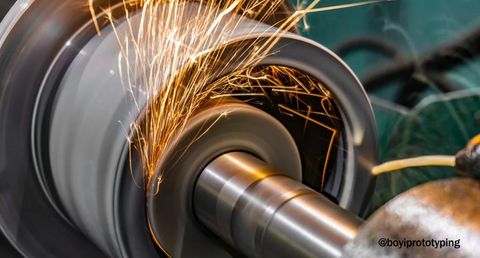
Shattered bottles roll into factories where machines bite them down. After that, thick slabs of window glass follow the same path. Then, leftover shards from construction sites mix into the flow. Instead of vanishing into landfills, they get reborn through grinding wheels. Finally, crushed fragments wait in bins for their next form.
Later on, broken bits help build roads, make insulation, or go into fresh glass. Finished pieces might turn up in pavements, cozy walls, or brand-new bottles.
Electronic Waste Recycling
Electronic recycling plants process:
- Circuit boards
- Wires
- Batteries
- Computer components
Out of old electronics, places pull out useful stuff like copper plus gold. Metals get saved instead of tossed away - copper and sometimes shiny bits too.
Key Things to Know
Several important factors influence recycling machine performance and effectiveness.
Material Type
Not every material moves through recycling the same way. While plastic bends and melts under heat, metal holds its structure longer - yet both shift form when processed. Glass, on the other hand, cracks differently than either, reacting to temperature in its own distinct manner.
Machine Capacity
Facing large amounts of waste? The right machine size keeps things moving smoothly. Machines too small struggle under pressure. Oversized units often sit half-used, wasting space. Matching output to need avoids both extremes. Efficiency shows up most when demand and capacity align. A steady rhythm matters more than speed.
Energy Consumption
Heavy-duty shredding machines often power through tons of material, pulling a noticeable amount of grid energy. Large crushing units run constantly, their motors drawing high loads just to break things down.
Maintenance Requirements
Fresh checks now and then keep machines running without hiccups. A wiped-down system works better over time.
Environmental Regulations
Facing dangerous materials, sectors stick close to rules protecting people and nature. Safety comes first when managing risky byproducts across operations.
For clinics running machines that handle medical waste, this matters a lot.
Automation Level
Machines running on their own boost output - yet spotting hiccups demands sharp eyes, plus a solid grasp of tech details.
Future Trends and Industry Insights
Now more than ever, the recycling sector shifts alongside growing attention to nature's needs plus rising piles of factory leftovers.
Smart Sorting Technology
Precision in sorting gets a boost from smart machines that learn over time. Faster material detection could soon come from tools wired with responsive sensors.
Robotics in Recycling
Now showing up in factories everywhere - robotic arms that sort materials without breaking a sweat. Speed goes up when machines take over tasks near dangerous trash. Fewer people need to stand close to risky stuff during processing.
growing use of circular economy approaches
Back again, old stuff now gets another turn instead of tossed aside. Machines that sort and reshape waste make sure things keep circulating through making new products.
Advanced Plastic Recycling
Fresh tools now tackle tricky plastic waste, once too tough to handle. Machines sort what used to clog systems, quietly shifting how plants work. Some gadgets pull apart mixed materials, step by step. Others reshape stubborn bits into reusable flakes. Factories run smoother because sensors catch errors fast. Heat treatments unlock hidden potential in old packaging. Hidden flaws get fixed before melting begins. Results pile up slowly, unseen but steady.
Integrated Recycling Plants
Turnkey recycling setups are catching on across sectors - streamlined gear means less hassle during daily runs. One piece hooks into another without extra steps, so work moves faster from start to finish. Equipment works together right out of the box, cutting setup time dramatically. Tasks that once took hours shrink when everything aligns smoothly. Smooth alignment means fewer delays piling up behind broken links.
Smarter Ways to Recycle Glass
Out of today’s setups, glass sorting machines pull cleaner output from crushed batches. Efficiency climbs when new methods mix into the workflow.
Safer Handling of Medical Waste
Out of labs and clinics comes a quiet shift - new machines now handle sharps, scraps, smoke out pathogens. Safety gains ground when gear shuts down leaks into air or soil. Some units bake waste till harmless, others crush before sterilizing. Each step forward reduces risk without loud fanfare. Cleaner routines take root where old habits once stayed stubborn.
Conclusion
Out there, recycling machines now play a key role in handling trash and factory leftovers. Because they cut down on what gets buried, pull out useful stuff, these setups also keep industrial work less messy. What stands out is how much they limit junk piling up. With them around, pulling metals or plastics back into use happens more often. Cleaner production lines? That comes along too.
Out here, shredders roll into crushers before giving way to smart sorting lines at recovery plants - each step lifts performance where it counts. Medical junk finds its end through dedicated rigs; meanwhile glass gets smashed and spun anew, tackling oddball trash hurdles head on.
Tomorrow’s recycling grows sharper, swifter, quieter - shaped by machines that learn. Instead of scattered steps, full systems now handle waste from start to finish across factories. These setups pull usable stuff back from what once got tossed without noise or fuss.
These machines make more sense once you see how they fit into better waste handling. Their role expands quietly as industries lean toward greener methods. Each use nudges systems closer to balance. Seeing them work changes how people view disposal. Shifts like these build slowly, yet stick. How things get recycled matters just as much as what gets saved.